
Reviewed · BRITISH MUSEUM TOURS
The British Museum: a highlights tour with a TV historian
Civilisation comes alive in one grand building. I like this experience for its private format and for the way Loona, a former British Museum staff guide, connects famous objects with the stories behind their discovery and acquisition. I also like that the tour works for mixed-age groups, with Harry Potter, Hollywood, and modern-life references ready when children need a little help staying focused.
The main consideration is time. Three hours is enough for a carefully chosen route, not every gallery. You must also book your own free timed-entry ticket from the British Museum website, and you should allow about 30 minutes to get inside before the 11am meeting time.
In This Review
- Key points to know before you book
- Why a private British Museum tour helps
- Starting at the Reading Room at 11am
- The Rosetta Stone and the key to hieroglyphs
- Fake mermaids and crystal skulls
- Ancient writing, libraries, and epic stories
- Egyptian rulers and Aztec gold
- Sutton Hoo and the Anglo-Saxon world
- Human rights, war machines, and imperial power
- Benin Bronzes and the question of acquisition
- Celtic jewellery and the Lewis Chess pieces
- The Parthenon Sculptures and contested collections
- From Easter Island to India and China
- Is the private guiding worth the price?
- Who will enjoy this British Museum tour?
- Booking, cancellation, and final advice
- Should you book it?
- FAQ
- How long does the British Museum highlights tour last?
- What time does the tour start?
- Where do I meet the guide?
- Where does the tour end?
- Is admission to the British Museum included?
- What does the tour price include?
- Is this a private tour?
- Is the tour offered in English?
- Can I cancel for a full refund?
Key points to know before you book
- A former museum insider leads the way: Loona once worked at the British Museum and has even supervised sleepovers with the mummies.
- The route covers major civilisations: Expect the Rosetta Stone, Parthenon Sculptures, Sutton Hoo, Benin Bronzes, Lewis Chess pieces, and more.
- The stories go beyond labels: You hear how objects were translated, collected, displayed, and sometimes exposed as fakes.
- Private means personal: Only your group takes part, so the guide can adjust the pace and explain objects in a way that suits you.
- The museum ticket is free: The tour price pays for guiding services, while you arrange your own timed museum admission.
- Plan carefully: Meet at the British Museum Reading Room at 11am, and cancel at least 24 hours ahead for a full refund.
Why a private British Museum tour helps
The British Museum can be hard to handle on your own. Its collections cover thousands of years and many parts of the world. You can walk through room after room, admire impressive objects, and still miss the small details that explain why they matter.
A private guide gives the visit a clear shape. Instead of trying to see everything, you follow a route through selected highlights, with time for questions and short breaks. One three-and-a-half-hour visit included a large range of objects, while the advertised duration is about three hours, so you should expect some flexibility.
I especially like the personal nature of this tour. Loona can explain a complex object in simple language, then change direction if your group becomes fascinated by something unexpected. That is useful in a museum where a ten-minute conversation beside one object can be more rewarding than racing through ten rooms.
The guide’s former work at the museum adds a useful layer. You are not only hearing textbook facts. You also get behind-the-scenes stories about the objects and the building, including the unusual detail that Loona has supervised overnight sleepovers with the mummies. That kind of personal connection can make the museum feel less like a storage place and more like a collection of human stories.
More British Museum visits:
- British Museum London Guided Tour Semi-Private 8ppl Max
★ 5.0 · 984 reviews - The British Museum London – Exclusive Guided Museum Tour
★ 5.0 · 555 reviews - British Museum Guided Tour
★ 4.0 · 470 reviews
Starting at the Reading Room at 11am

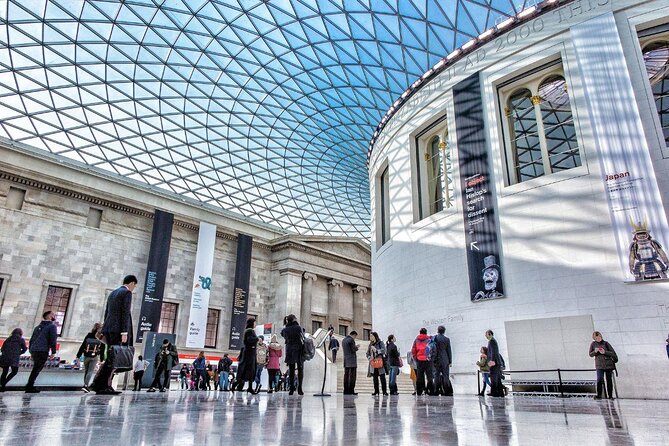
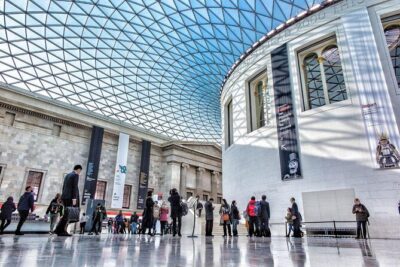
The meeting point is the British Museum Reading Room on Great Russell Street. The tour starts at 11am, and the museum is in central London, close to public transport.
The most important practical step is booking your museum ticket yourself. Admission to the British Museum is free, but timed tickets can fill up. The guide’s service does not include your museum entry, and the tour operator specifically asks you to book through the museum’s own website.
Do not treat the free ticket as a reason to arrive at the last moment. You may need around 30 minutes to enter, so plan to be at the museum well before 11am. A late arrival could mean missing the beginning of a private tour, even though the museum itself costs nothing to enter.
The meeting information also lists the Mummies gallery near the end of the visit. Since the route includes many sections of the museum, listen carefully to the guide’s instructions when you arrive and keep your phone available for the mobile ticket and booking details.
The Rosetta Stone and the key to hieroglyphs
The Rosetta Stone is an obvious first priority, and this tour uses it well. You see the stone itself, then hear how its inscriptions helped scholars decipher Egyptian hieroglyphs.
The value here is the explanation. A display label can tell you that the stone was important, but a guide can show you why the repeated text mattered and how written languages were compared. That turns a famous object into a practical story about solving a very old puzzle.
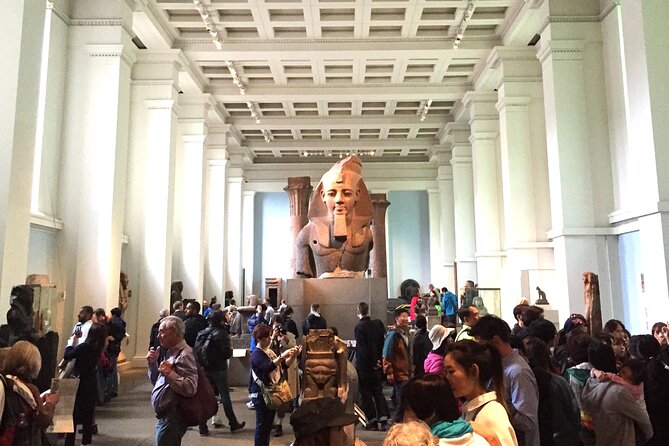
The Egyptian displays also include the bust of Rameses II. Seeing the ruler’s image beside the Rosetta Stone helps place the objects within a wider story of power, writing, and memory. You are not simply ticking off the two most famous Egyptian exhibits. You are learning how objects communicate authority and how later generations tried to understand them.
Fake mermaids and crystal skulls
One of the most entertaining parts of the route is its attention to objects that are not what they first appear to be. The tour includes crystal skulls and mermaids as examples of fakes.
This is a smart change of pace. Museum visits can sometimes make every object feel equally authentic and equally serious. Stories of forged or misleading objects remind you that museums also have to test evidence, question origins, and correct earlier assumptions.
For children, these exhibits can be a welcome hook. A fake mermaid is easier to discuss than a long date on a wall label, and the story can lead into larger questions about collectors, public belief, and how experts decide what deserves trust.
More Museums in London:
- Tower of London and Crown Jewels Exhibition Ticket
★ 4.5 · 6,677 reviews - Chelsea FC Stadium Tours and Museum
★ 5.0 · 1,908 reviews - Official tickets: Moco Modern & Contemporary Art Museum
★ 4.5 · 1,157 reviews - The Postal Museum Admission Ticket
★ 4.5 · 347 reviews
Ancient writing, libraries, and epic stories
The itinerary moves from Egyptian writing to cuneiform, including how cuneiform was translated. You also see what is described as the oldest library and hear about the world’s oldest epic story.
These stops are valuable because they show writing as a working tool, not just a school subject. You can connect the marks pressed into clay with administration, storytelling, and the preservation of ideas. The translation story also echoes the Rosetta Stone, giving the tour a useful thread: ancient voices survive, but modern people need skill and patience to read them.
The world’s oldest epic story adds a human touch. Long before modern novels, films, and television, people were recording tales about rulers, danger, friendship, and the limits of human life. Loona’s use of contemporary references can help make that connection clear without turning the material into a lecture.
Egyptian rulers and Aztec gold
The tour also includes Aztec jewellery worn by Montezuma. This is a strong stop for understanding how an object can carry several stories at once.
You can look at the craftsmanship and material, then consider the person associated with it and the wider culture that produced it. The item is not merely decorative. It relates to status, belief, political power, and the way European collectors later described and removed objects from their original settings.
This is one place where the tour’s promise to discuss acquisition matters. The museum’s great objects did not all arrive through simple or equal exchanges. Hearing how pieces were obtained gives you a more honest visit and helps you ask better questions about ownership and display.
Sutton Hoo and the Anglo-Saxon world
The Anglo-Saxon Sutton Hoo treasures are among the strongest reasons to choose a guided visit. One person specifically singled out the Anglo-Saxon trove as a favorite, and it is easy to understand why.
Sutton Hoo offers a powerful look at early medieval Britain through objects connected with burial, status, and craftsmanship. A guide can help you read the collection as more than a group of beautiful metal objects. The treasure opens a window onto a society that left fewer written records than later periods, so the objects themselves carry much of the story.
If British history interests you, this section deserves your full attention. Do not rush past it simply because the Egyptian galleries are more famous. The contrast between Sutton Hoo and the museum’s international collections is part of the pleasure of the route.
Human rights, war machines, and imperial power
The tour includes what is described as the first declaration of human rights, along with an Assyrian war machine. These objects sit on opposite sides of a large human question: how societies organize power and how rulers justify it.
A declaration about rights can sound modern, yet its ancient setting makes you think about how ideas of authority change over time. The Assyrian displays offer a harsher view, showing the machinery and imagery of conquest.
This pairing gives the tour some welcome balance. You see art and writing, but you also face empire, warfare, and control. The British Museum is not only a place for beautiful objects. It is also a place to examine how states represented themselves and how collections were formed.
Benin Bronzes and the question of acquisition
The Benin Bronzes are an important part of the route because they bring museum collecting into the present. The tour does not treat the exhibits as isolated works of art. It includes the history of their acquisition, which helps you think about the circumstances behind their arrival in London.
That context is essential. A quick highlights visit can easily become a parade of impressive objects, with no discussion of how they were removed from their original settings. Including the Benin Bronzes gives you a chance to consider cultural ownership, colonial power, and the responsibilities of modern museums.
I appreciate that this subject appears alongside more traditional highlights. It keeps the tour from becoming a simple greatest-hits walk. You get the pleasure of seeing remarkable craftsmanship, but also the questions that come with displaying it.
Celtic jewellery and the Lewis Chess pieces
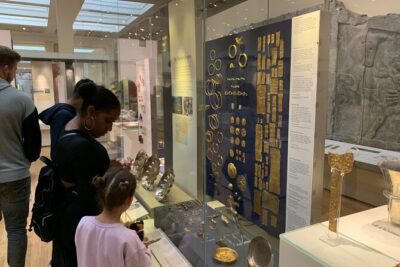
Celtic jewellery offers another look at design, status, and technical skill. These objects are small compared with monumental sculpture, so a guide is particularly helpful. Loona can direct your attention to details you might otherwise miss while moving through a crowded gallery.
The Lewis Chess pieces provide a different kind of appeal. They are instantly approachable, even for children who are not interested in ancient dates. You can look at the faces and poses, then think about games, trade, and daily life in the medieval world.
This is where the private format earns its keep. Your group can pause for a closer look instead of following a fixed crowd. If your children connect with the chess pieces, the guide can use that interest as a bridge to other periods.
The Parthenon Sculptures and contested collections
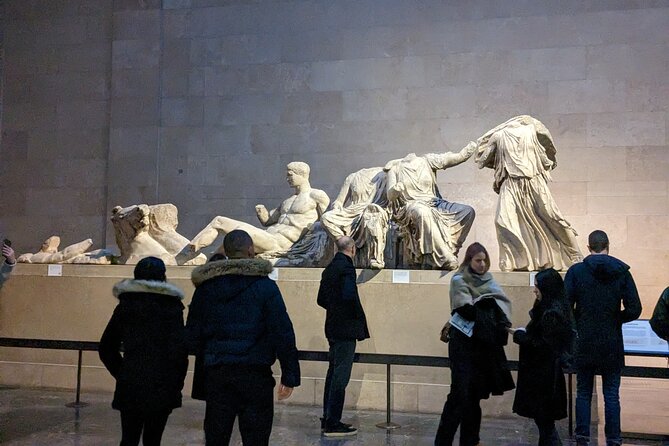
The Parthenon Sculptures are among the museum’s most famous displays. They are also among its most debated, so a responsible explanation needs to include more than artistic admiration.
The tour promises attention to acquisition, giving you a chance to understand why these sculptures are admired and why their ownership remains disputed. That makes the stop more useful than a quick photograph. You can appreciate the skill and scale while also considering how the pieces left Greece and why the issue remains sensitive.
This is a good example of the tour’s wider approach. The guide does not only point at famous things. He connects each object with the political, cultural, and collecting story around it.
From Easter Island to India and China
The route reaches far beyond Europe and the Mediterranean. You see an Easter Island statue, a Chinese Buddha, and a Shiva statue from India.
Each stop gives you a different visual language. The Easter Island figure is powerful through its simplified form and presence. The Buddha offers a different expression of religious art, while Shiva introduces another tradition with its own symbols and meanings.
You should not expect an exhaustive lesson in every culture during a three-hour visit. That would be impossible. Instead, these objects offer carefully chosen doorways into wider subjects, and Loona’s role is to make those doorways understandable.
This variety also helps keep the pace lively. After a long look at ancient writing or imperial warfare, a change in region and artistic style refreshes your attention.
Is the private guiding worth the price?
The museum itself is free, but this is not a free tour. The paid element is the guiding service, and the stated inclusions do not cover souvenirs, fees, taxes, or your museum ticket booking.
I see the value in the service if your London time is limited or if the British Museum feels too large to tackle alone. You are paying for structure, interpretation, and the chance to ask questions in a private setting. You are not paying for special museum admission or a separate collection of exclusive exhibits.
The value is strongest for first-time visitors who want the major objects without spending a full day wandering. It also works well for families, couples, and small groups with different interests. A person who already knows the museum well may prefer a self-guided visit and save the tour fee.
The five-star score from the supplied experience details reflects the main strength: the guide’s enthusiasm and ability to show a wide range of exhibits in limited time. Punctuality, clear information, entertainment, and time for breaks were all praised. Those are practical benefits, not just pleasant extras.
Who will enjoy this British Museum tour?
I would recommend it most strongly to you if:
- You want the famous objects explained rather than simply photographed.
- You have about three hours and need someone to set the route.
- Your group includes children or adults with different levels of interest.
- You want context about acquisition and contested objects.
- You enjoy stories about fakes, translation, archaeology, and museum work.
- You prefer a private guide to a large scheduled group.
It may be less suitable if you want a quiet, unhurried day in one department. The route covers many subjects, so you will see highlights rather than study each collection in depth. You should also be comfortable arranging your own free timed ticket and arriving early enough for entry procedures.
Booking, cancellation, and final advice
Confirmation is provided when you book. The activity is private, only your group participates, and service animals are allowed. It is near public transport, and most people can take part according to the supplied details.
You can cancel for a full refund up to 24 hours before the start time. Changes or cancellations inside that 24-hour window are not accepted for a refund. If the minimum number of participants is not met and the experience is cancelled, you are offered another date or experience, or a full refund.
Should you book it?
Book this tour if you want a focused, story-led introduction to the British Museum and value a guide who can move easily from hieroglyphs to Harry Potter references. Loona’s former museum work, personal enthusiasm, and ability to make the collection approachable are the strongest reasons to choose it.
Skip it if you already have a detailed plan for the museum or want to spend hours in one specialist gallery. For everyone else, the private format is a sensible way to make a huge museum manageable. Reserve your free museum ticket several days ahead, arrive early, and let the guide handle the difficult job of choosing what matters most.
FAQ
How long does the British Museum highlights tour last?
The advertised duration is approximately three hours. One experience description refers to a visit lasting three and a half hours, so you should allow some flexibility.
What time does the tour start?
The tour starts at 11am.
Where do I meet the guide?
The meeting point is the British Museum Reading Room on Great Russell Street in London.
Where does the tour end?
The end point is the British Museum, with the Mummies gallery listed in the meeting information.
Is admission to the British Museum included?
Museum admission is free, but you must book your own free timed-entry ticket directly through the British Museum website.
What does the tour price include?
The tour price includes guiding services only. Souvenirs, fees, taxes, and the museum entry booking are not included.
Is this a private tour?
Yes. Only your group takes part in the activity.
Is the tour offered in English?
Yes. The tour is offered in English.
Can I cancel for a full refund?
Yes, if you cancel at least 24 hours before the experience start time. Cancellations or changes made less than 24 hours before the start are not accepted for a refund.
Just added in London
- Private Tour: Royal High Tea At Kensington Palace Gardens★ 5.0 · 39 reviews
- Private Tour: Personal Travel Photographer Tour in London★ 4.5 · 27 reviews
- London East End Private Walking Food Tour – Secret Food Tours★ 5.0 · 26 reviews
- Private Tour: Night Photography Tour in London★ 5.0 · 48 reviews
- London Like a Local, Private & Personalized (2-3 hrs)★ 4.5 · 11 reviews
- British Museum & National Gallery of London – Exclusive Guided Combo Tour★ 5.0 · 48 reviews
- Private Tour: Tower of London and St Paul’s Cathedral★ 5.0 · 1 review
- London Soho District – Exclusive Guided Walking Tour★ 5.0 · 2 reviews
British Museum Tours, compared.
British Museum London Guided Tour Semi-Private 8ppl Max
Read our review →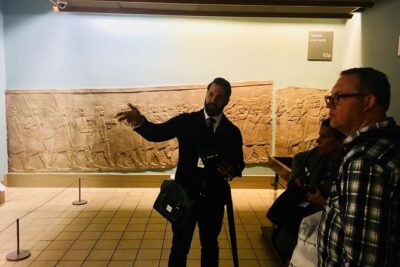
The British Museum London – Exclusive Guided Museum Tour
Read our review →
Private Guided Tour of the British Museum – Tickets Included
Read our review →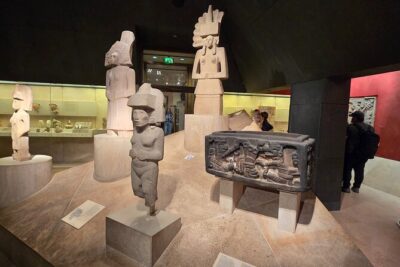
British Museum Guided Tour with Priority Timeslots(Small Group)
Read our review →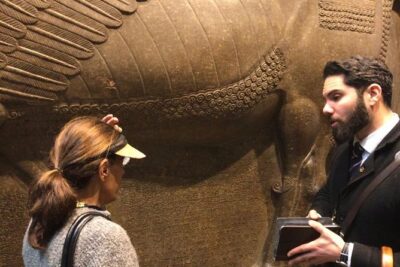
British Museum & National Gallery of London Semi-Private 8ppl Max
Read our review →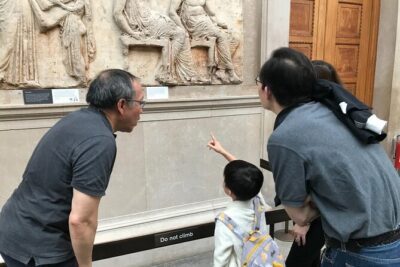
Explore Biblical Artifacts at the British Museum
Read our review →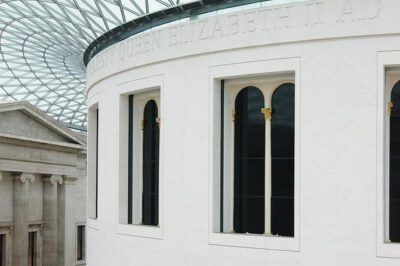
British Museum Highlights Private Tour in London including the Rosetta Stone
Read our review →Browse the lists this tour appears in