
Reviewed · BRITISH MUSEUM TOURS
British Museum Guided Tour
The British Museum rewards a smart first visit. This two-hour tour gives you a focused route through one of London’s largest museums, with an English-speaking guide leading you to major pieces from Ancient Egypt, Greece, and Rome. I like the fast-track entry arrangement and the chance to see the Rosetta Stone, Egyptian mummies, and Parthenon sculptures without trying to plan a route through the enormous collection yourself. I also like the price: at about $18.02 per person, it can be a sensible way to add structure to a free museum visit.
The main concern is meeting the guide. Several bookings have gone well, with guides such as Paul, Denise, Joseph, and Christina praised for clear explanations and good communication. But other people waited at the wrong entrance, could not identify the guide, or found that no guide arrived at all. You need to treat the meeting instructions as seriously as the museum visit itself.
The tour is best for a first-time visitor who wants the main sights in two hours, especially families and anyone who prefers explanation to wandering. It is less suitable if you need a guaranteed, low-stress start or want a slow look at many galleries. The British Museum is free to enter, so the $18.02 pays for the guide and the convenience, not admission.
In This Review
- Key points to know before you go
- The British Museum on Great Russell Street
- Fast-track entry and the free admission question
- Inside the Great Court
- Egyptian mummies and the Rosetta Stone
- Ancient Greece and the Parthenon sculptures
- Ancient Rome and the wider collection
- Two hours, group size, and pace
- What makes a strong guide
- Common problems and how to reduce the risk
- Who should book this British Museum tour?
- FAQ
- How much does the British Museum guided tour cost?
- How long does the tour last?
- What language is the tour offered in?
- Where does the tour begin?
- What does the tour include?
- How many people can join the tour?
- Can I cancel for a full refund?
Key points to know before you go
- The museum entrance is free: Your payment covers the guided experience and arranged entry, not an admission ticket.
- The route covers major civilizations: Expect Ancient Egypt, Ancient Greece, Ancient Rome, and other headline objects in the collection.
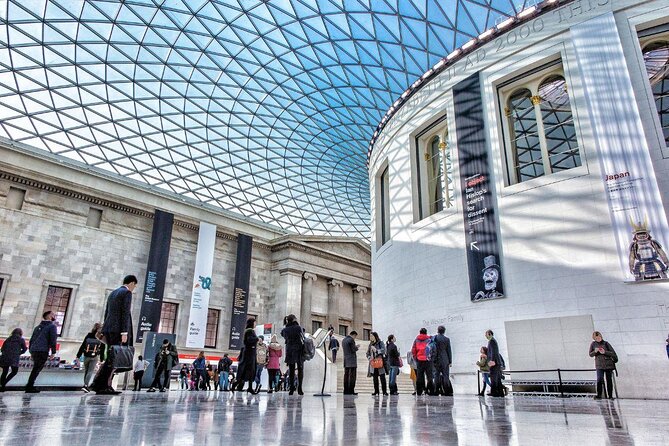
- The Great Court is part of the experience: Its glass roof gives you an architectural highlight before the objects even begin.
- Two hours is a useful introduction: You will see important pieces, but the museum is far too large to cover fully.
- Meeting instructions need care: The stated starting point is the British Museum on Great Russell Street, yet some people were directed elsewhere by staff or could not find the guide.
- Guide quality can shape the whole tour: Paul, Denise, Joseph, and others received strong praise, while a few groups reported poor preparation or no-show problems.
The British Museum on Great Russell Street
The tour begins at the British Museum, Great Russell Street, London WC1B 3DG. The location is central and close to public transportation, making it easy to fit into a day of sightseeing around Bloomsbury, Covent Garden, or the West End.
The practical problem is timing. The museum opens at 10am, and some people found that the security line delayed them before they could reach the meeting point. If you arrive at opening time, you may need to queue for entry before you can look for the guide. That makes the instructions particularly important.
Your confirmation is issued at booking, and the experience is offered in English with a mobile ticket. The group can contain up to 25 people. That is small enough for a personal feel when the guide manages the group well, but it is large enough for hearing difficulties and crowd movement to become real issues.
I would arrive early, read the exact meeting information again, and keep your phone available. Do not assume that a guide carrying a large Viator sign will be waiting. One person found a guide holding a Universal Tour Guide flag, while another group spent 20 minutes searching because the guide was hard to identify. Ask museum staff for directions if needed, but remember that museum employees may not know the location of an outside tour group.
More British Museum visits:
- British Museum London Guided Tour Semi-Private 8ppl Max
★ 5.0 · 984 reviews - The British Museum London – Exclusive Guided Museum Tour
★ 5.0 · 555 reviews - Private Guided Tour of the British Museum – Tickets Included
★ 5.0 · 193 reviews
Fast-track entry and the free admission question
The wording around entry needs a little unpacking. The British Museum itself has free admission, but this is sold as a skip-the-line guided tour. In practical terms, the value is the organized arrival and the help of a guide, not a paid museum ticket.
That distinction matters because you are not paying $18.02 to enter a ticketed attraction. You are paying for two hours of interpretation and an arranged route through a very large building. If the guide arrives promptly and takes your group through security and into the galleries, the price is modest. If the meeting goes badly, the value drops sharply because you could have entered the museum for free on your own.
A well-run start can save you from the most awkward part of a first visit: figuring out where to go while a line grows behind you. One praised guide, Paul, communicated the meeting place clearly and led the group to major objects before the museum became more crowded. That is the best version of this experience.
The less reassuring version involves a guide who does not appear, a disconnected phone number, or messages arriving only minutes before the start. The overall rating is 3.9 out of 5 from 471 ratings, which reflects that split experience. I would not ignore the strong praise, but I would also not book without checking the cancellation terms and contact details carefully.
Inside the Great Court
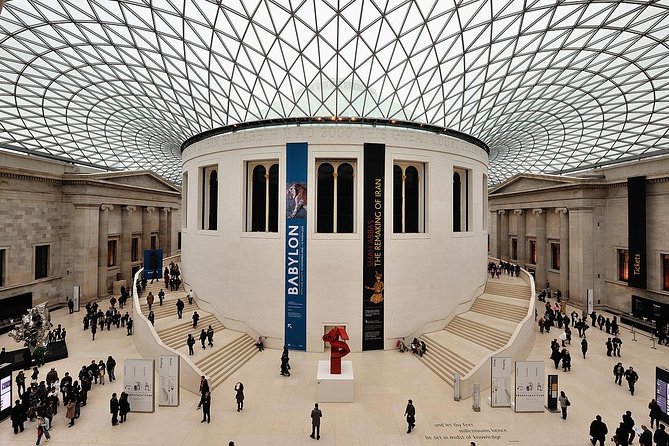
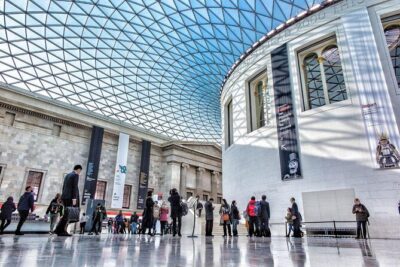
The Great Court is one of the first places that makes the British Museum feel larger than a normal museum visit. A sweeping glass roof covers the central space, creating a bright architectural center beneath the surrounding galleries.
Your guide may use this area to help you get oriented before leading you toward the collection. That is useful because the museum can feel confusing at first. You are not simply walking into a series of rooms. You are entering a huge institution with objects from many parts of the world and thousands of years of human activity.
The Great Court also gives you a pause between exhibits. If your group gathers there, listen closely before moving on. In a large open space, background noise can make a soft-spoken guide difficult to hear. One person specifically found that competing tours and general museum noise made explanations hard to follow.
If hearing clarity matters to you, ask at the beginning whether you can position yourself close to the guide. The experience does not state that audio receivers are provided, and one comparison with other tours noted that individual listening devices were not used here. That is a small detail, but it can decide how much you take away from the visit.
Egyptian mummies and the Rosetta Stone
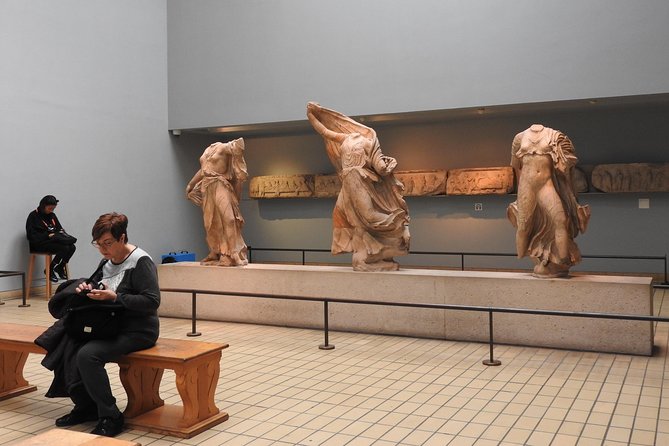
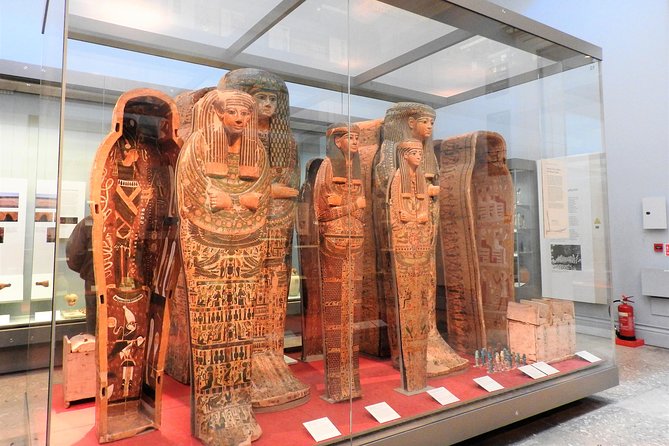
Ancient Egypt is one of the strongest reasons to choose a guided introduction. The collection includes mummies and other Egyptian relics that can be difficult to understand when you are only reading short labels. A good guide can explain what you are looking at, place objects in time, and point out details you might otherwise pass.
The Rosetta Stone is another key stop. It is one of the objects people specifically wanted to see, and a good overview makes sure it is not missed. The stone matters not just because it is famous, but because its inscriptions helped scholars read Egyptian hieroglyphs by comparing different forms of writing.
The tour will not allow you to study every Egyptian gallery in detail. That is not a flaw if you see it as an introduction. Paul was praised for giving enough background without overwhelming the group, and that balance is important here. You want the guide to explain why an object matters, then let you look at it.
Families can benefit especially from this format. One guide kept four children interested for the full two hours, which is no small achievement in a museum filled with cases and labels. The pace gives younger visitors a clear sequence of famous objects instead of asking them to absorb the entire institution at once.
More Museums in London:
- Tower of London and Crown Jewels Exhibition Ticket
★ 4.5 · 6,677 reviews - Chelsea FC Stadium Tours and Museum
★ 5.0 · 1,908 reviews - Official tickets: Moco Modern & Contemporary Art Museum
★ 4.5 · 1,157 reviews - The Postal Museum Admission Ticket
★ 4.5 · 347 reviews
Ancient Greece and the Parthenon sculptures
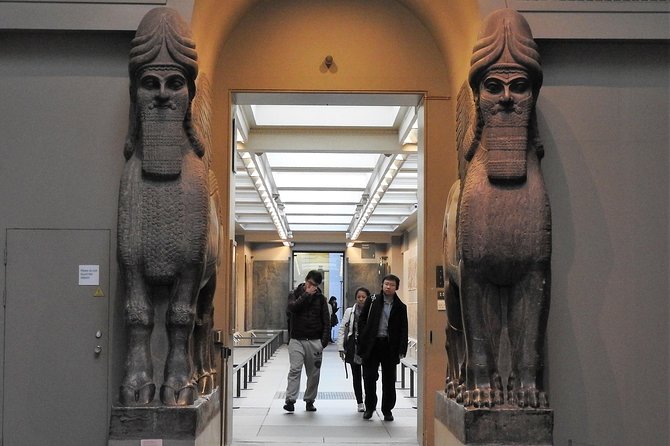
The Greek galleries bring a different set of questions. The Parthenon sculptures are among the museum’s best-known objects, and they often lead to discussion about ownership, removal, and where major cultural works should be displayed.
That discussion can add value, especially if you want more than a list of dates and names. One guide regularly addressed the question of whether objects taken from other places belong in Britain or should return to their countries of origin. Another person found that subject took too much time and would have preferred more attention to the objects themselves.
Your reaction may depend on what you want from the tour. If you enjoy museums that acknowledge difficult questions about collecting and empire, the conversation can give the sculptures a more complete setting. If you want a straightforward art-history route, you may find it distracting. The best guides keep the debate connected to what you are seeing rather than turning the visit into a long personal argument.
The main benefit here is selection. You can see the Parthenon sculptures, hear why they matter, and move on to other parts of the museum without spending half a day deciding which rooms deserve your attention. The drawback is that two hours leaves no room for a slow, detailed examination of every sculpture.
Ancient Rome and the wider collection
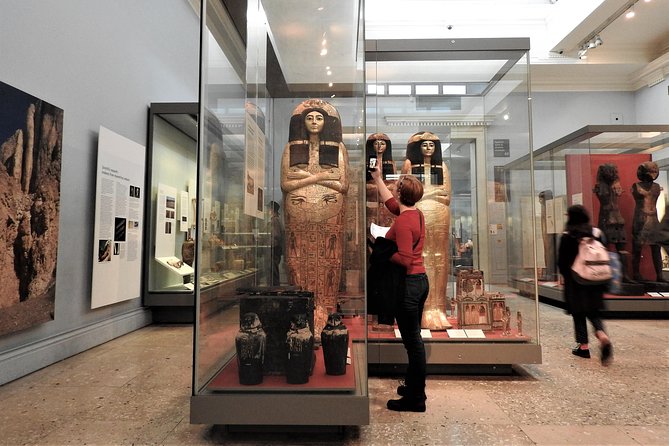
Roman objects form another part of the route, alongside material from Egypt and Greece. This helps you compare different cultures and periods instead of viewing each gallery as an isolated room.
The British Museum holds far more than the three ancient civilizations named in the tour description. You might see references to additional parts of the collection as your guide moves between galleries, but you should not expect a full survey of the museum. The route is designed around major highlights, not obscure corners or specialist collections.
That focus is a good choice for a first visit. I would rather have a guide explain several important objects clearly than hurry through dozens of rooms. One strong guide was praised for directing the group to key pieces, answering questions, and admitting when an answer required checking. That kind of honest approach is more useful than a guide who tries to sound certain about everything.
Guide quality is not identical from one departure to the next. Christina was praised for being friendly and professional even though she had only been guiding for a week. Another guide was described as passionate but difficult to hear. A separate experience was criticized for offering little factual background and spending too much time on personal artistic ideas. These differences explain why the tour can feel excellent for one group and disappointing for another.
Two hours, group size, and pace
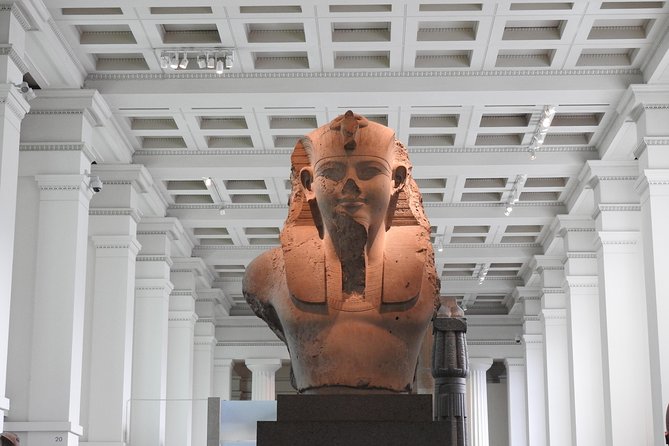
The advertised duration is about two hours. That is enough time for a clear introduction, but not enough for a complete museum visit. Denise’s tour was so enjoyable that the group wished it were longer because there was so much more to explain. For me, that is a good sign: the tour can leave you curious rather than exhausted.
You may also want to stay afterward. The guided route gives you a map in your head. Once you have seen the major Egyptian, Greek, or Roman objects, you can return to a favorite gallery or explore another section on your own.
Time management can vary. One group expected a shorter tour and found it lasted more than two hours, which caused problems with the rest of the day. If you have theater tickets, a timed lunch, or another booking immediately afterward, leave a generous gap. A guide who enjoys the subject may want to keep explaining, and the museum itself makes it easy to lose track of time.
The maximum group size is 25. That is manageable, but you should stay near the guide, especially during crowded periods. A large group can spread out quickly in front of a popular object. If you fall behind, you may miss part of the explanation or have trouble finding the group again.
What makes a strong guide
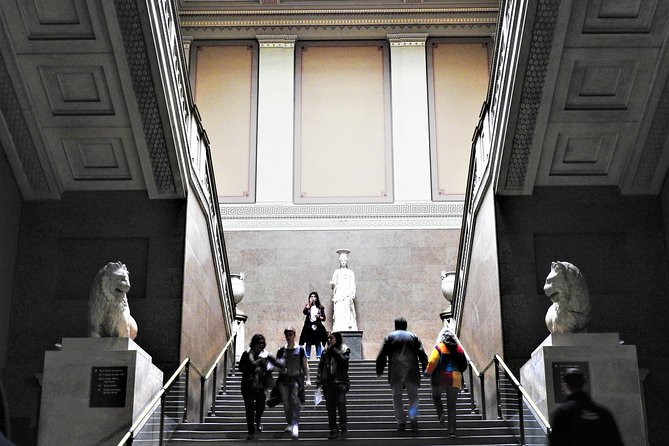
The best guides on this tour do three things well: they communicate the meeting point, select the right objects, and explain without overloading you.
Joseph was praised for arriving promptly, communicating the location in advance, and showing real enthusiasm for the subject. Paul received repeated praise for clear communication, thoughtful pacing, and an ability to guide the group through major sights before the museum grew crowded. Denise was described as delightful, and another guide was praised for answering questions in a clear, engaging way.
These details point to the real value of the tour. You are not simply buying facts. You are buying judgment. The museum is too big for most first-time visitors to understand in two hours without help, so the guide’s choices matter as much as the individual explanations.
A strong guide also knows when to stop talking. One person praised Paul for offering the right amount of context without overwhelming the group. That is exactly what I want in a museum tour. You need enough information to see an object differently, but also enough quiet time to look at it.
Common problems and how to reduce the risk
The most serious issue is the possibility of a missed meeting or no-show. Several people arrived early, waited in rain, called the listed number, and eventually entered the museum alone. Others received unclear directions or could not locate the guide among several entrances and tour groups.
You can reduce the chance of trouble by arriving before the stated time, checking the meeting point on a map, and sending a message to confirm the exact location if contact is available. Keep screenshots of your booking and all messages. If you are told to make an additional payment through an outside link, stop and verify it before paying. One booking raised concern after an external payment request arrived for a tour that had already been paid for.
The instructions identify Great Russell Street as the start and say the activity ends back at the meeting point. Yet museum security has redirected some people toward Montague Street, the rear side of the building. That does not necessarily mean the tour is invalid, but it shows why you should confirm precisely where the guide will wait.
Free cancellation is available if you cancel at least 24 hours before the start time. Changes or cancellations made inside that window are not accepted for a refund. If the minimum number of participants is not reached and the operator cancels, you are offered another date or experience, or a full refund.
Who should book this British Museum tour?
I would choose this tour if you are visiting the British Museum for the first time, want to see the famous objects, and prefer a human explanation to a self-guided route. Families can benefit from the pace, and people with limited time can get a useful overview before exploring on their own.
The price is fair when the tour is properly delivered. A two-hour guided visit for about $18.02 is inexpensive by London standards, particularly when the guide is as effective as Paul, Joseph, or Denise. The free museum admission also means you can continue looking around afterward without buying another ticket.
I would think twice if your schedule is tight, you have difficulty hearing in noisy rooms, or you dislike uncertain meeting arrangements. You may also prefer to visit independently if you already know the museum well. The building costs nothing to enter, and a self-guided visit gives you full control over pace and subject.
FAQ
How much does the British Museum guided tour cost?
The listed price is $18.02 per person. British Museum admission itself is free, so the charge covers the guided experience and the arranged entry service.
How long does the tour last?
The tour lasts approximately two hours. You may have time to continue exploring the museum independently afterward.
What language is the tour offered in?
The tour is offered in English.
Where does the tour begin?
The stated meeting point is the British Museum, Great Russell Street, London WC1B 3DG, UK. The activity ends back at the meeting point.
What does the tour include?
The experience includes a local expert guide and mobile ticket access. Food, drinks, and hotel pickup or drop-off are not included.
How many people can join the tour?
The activity can have a maximum of 25 participants.
Can I cancel for a full refund?
Yes. You can cancel at least 24 hours before the experience start time for a full refund. Cancellations or changes made less than 24 hours before the start time are not refunded or accepted.
Just added in London
- Private Tour: Royal High Tea At Kensington Palace Gardens★ 5.0 · 39 reviews
- Private Tour: Personal Travel Photographer Tour in London★ 4.5 · 27 reviews
- London East End Private Walking Food Tour – Secret Food Tours★ 5.0 · 26 reviews
- London Like a Local, Private & Personalized (2-3 hrs)★ 4.5 · 11 reviews
- British Museum & National Gallery of London – Exclusive Guided Combo Tour★ 5.0 · 48 reviews
- Private Tour: Night Photography Tour in London★ 5.0 · 48 reviews
- Private Tour: Tower of London and St Paul’s Cathedral★ 5.0 · 1 review
- London Soho District – Exclusive Guided Walking Tour★ 5.0 · 2 reviews
British Museum Tours, compared.
British Museum London Guided Tour Semi-Private 8ppl Max
Read our review →
The British Museum London – Exclusive Guided Museum Tour
Read our review →
Private Guided Tour of the British Museum – Tickets Included
Read our review →
British Museum Guided Tour with Priority Timeslots(Small Group)
Read our review →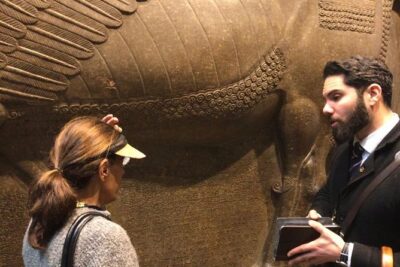
British Museum & National Gallery of London Semi-Private 8ppl Max
Read our review →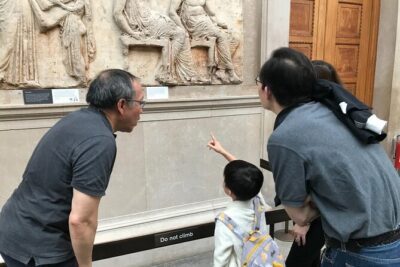
Explore Biblical Artifacts at the British Museum
Read our review →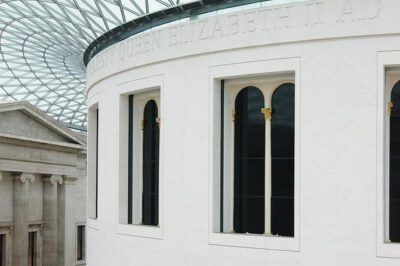
British Museum Highlights Private Tour in London including the Rosetta Stone
Read our review →
Browse the lists this tour appears in