
Reviewed · BRITISH MUSEUM TOURS
British Museum Guided Tour with Priority Timeslots(Small Group)
Great museums can overwhelm fast. This two-hour British Museum tour gives you a clear route through famous objects, from the Rosetta Stone and Egyptian mummies to the Parthenon Sculptures and Sutton Hoo treasures. I like the small maximum of 15 people, and I like that live commentary comes through a headset when the galleries grow noisy.
The strongest guides, including Daniel, James, Joey, Tara, Tony, Rebekka, and Antonio, bring stories and useful context rather than simply reading gallery labels. The trade-off is simple: two hours can only introduce a museum with more than 8 million objects, and some groups may spend more time in one section than others.
In This Review
- Key points to know before booking
- Why the British Museum needs a plan
- Meeting at Great Russell Street
- The first few minutes: getting your bearings
- Egyptian statues, mummies, and the Ramesses II bust
- The Rosetta Stone and the problem of famous objects
- The Parthenon Sculptures and a wider story
- Assyrian Winged Bull and Mesopotamian focus
- Moai, Sutton Hoo, and the Lewis Chessmen
- How the two-hour pace feels
- Small-group service and headset use
- The guides: Daniel, James, Joey, and more
- Is $48.60 good value?
- Who should book this museum tour?
- Cancellation and practical booking notes
- Should you book the British Museum guided tour?
- FAQ
- How long does the British Museum guided tour last?
- What language is the tour offered in?
- What objects can I expect to see?
- Is admission to the British Museum included?
- Is the museum tour private?
- Are headsets provided?
- Where does the tour begin and end?
- Can I cancel for a full refund?
Key points to know before booking
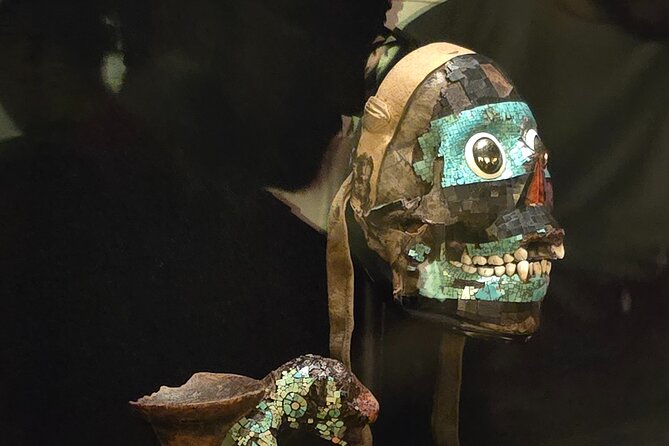
- A fast route through famous objects: See the Rosetta Stone, Ramesses II, Parthenon Sculptures, Assyrian Winged Bull, Moai, Lewis Chessmen, and more.
- Small group, maximum 15 people: This is a more personal setup than a large coach-style museum visit.
- Priority timeslot at the main entrance: The tour includes entry arrangements for a booked time, useful at a busy London museum.
- Headsets help in crowded galleries: You can hear the guide while standing a little apart from the group.
- Two hours, then your own museum time: The guided portion gives you a plan, and you can keep exploring afterward.
- English-language guiding: The experience is offered in English and includes a professional guide.
Why the British Museum needs a plan
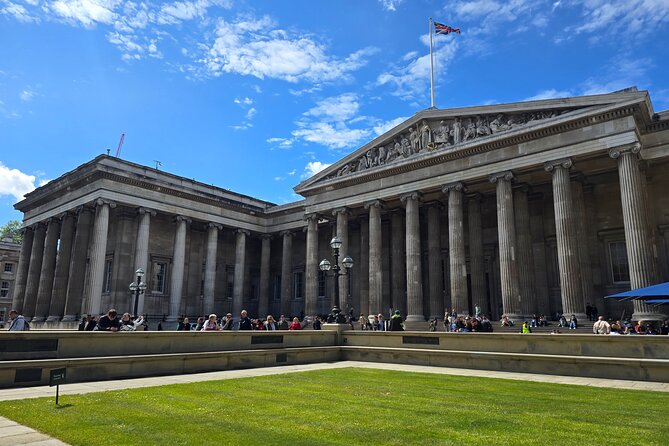
The British Museum is free to enter, yet free does not mean easy. Its collection covers cultures and centuries across more than 70 galleries. Without a plan, you can spend a long time wandering, miss an object you came to see, or lose energy before reaching the Egyptian rooms.
That is where this tour earns its keep. You pay $48.60 per person for the guide, the organized entry timeslot, and a focused introduction. The museum admission itself is free, so the value depends almost entirely on how much you want direction and explanation.
I would not book this simply to gain access to the building. I would book it if I had limited time in London, felt unsure where to begin, or wanted the famous pieces to make sense instead of appearing as isolated objects in glass cases.
The 4.9 rating from 192 published ratings, with 97 percent recommending the experience, fits the main strengths here: clear pacing, strong guides, and an efficient route. Still, you should keep your expectations realistic. This is a primer, not a complete museum study.
More British Museum visits:
- British Museum London Guided Tour Semi-Private 8ppl Max
★ 5.0 · 984 reviews - The British Museum London – Exclusive Guided Museum Tour
★ 5.0 · 555 reviews - British Museum Guided Tour
★ 4.0 · 470 reviews
Meeting at Great Russell Street
The tour begins at the British Museum, Great Russell Street, London WC1B 3DG. The activity ends back at the same meeting point, so you are not left in another part of central London trying to work out where you are.
The museum is near public transportation, which makes it practical to reach from other parts of London. Confirmation arrives when you book, and the tour is offered in English. Most people can take part, according to the supplied tour details.
The main entrance timeslot matters because the British Museum can be crowded, particularly around its most famous objects. Priority entry does not turn the museum into a quiet private room, but it gives you a scheduled way in and helps the tour start on time.
Arrive with enough margin to find the meeting point. The information provided does not specify a separate landmark, exact arrival time, or guide uniform, so you should read your confirmation carefully before setting out.
The first few minutes: getting your bearings
A good museum guide has a difficult job here. The building contains too much, the galleries are spread across several floors, and the most famous displays draw other groups at the same time. The best part of the guiding style reported for this tour is the early sense of direction.
Daniel is praised for giving the group an overall picture before moving to individual objects. James is described as keeping the visit logical and story-led, while Joey is noted for adjusting to the group’s requests without losing the main route.
That opening overview is important. You begin to understand that the museum is not just a parade of famous stones and statues. It is a collection arranged across broad areas of human culture, and a guide can show how the objects fit into that larger picture.
Do not expect a long introduction in one stationary spot. The tour is designed to keep moving. You will hear explanations, walk between galleries, and pause at selected pieces.
Egyptian statues, mummies, and the Ramesses II bust
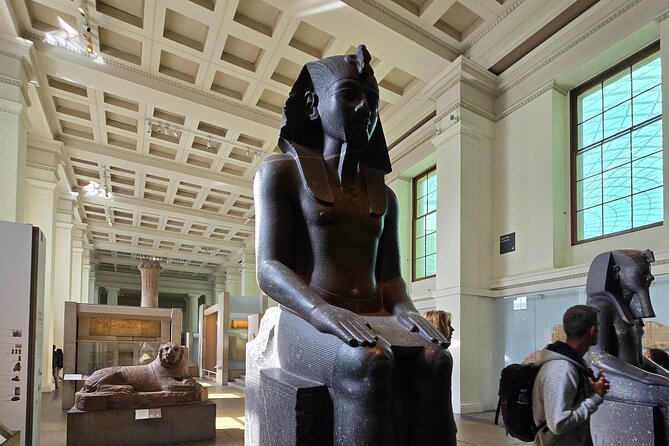
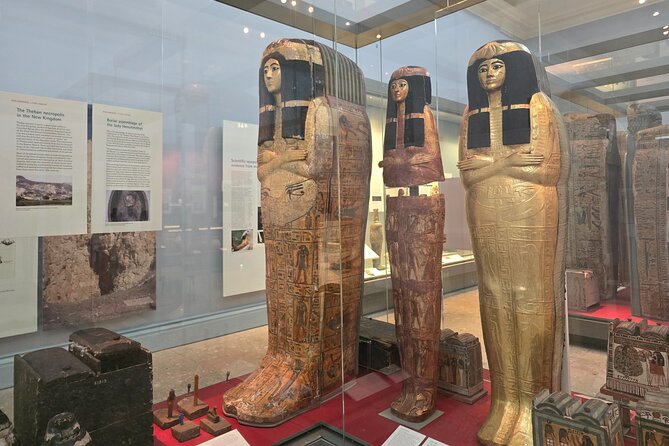
The Egyptian galleries are among the natural anchors of a first visit. You can expect to see statues and mummies, with the bust of Ramesses II among the named highlights.
Here, a guide adds value by explaining what you are looking at and why it matters. Labels can tell you a date, place, and material. A live guide can connect those facts to the object’s purpose, style, symbolism, or discovery, while also answering questions as they arise.
This is also an area where time can disappear. One family felt the tour spent a substantial stretch on Mesopotamia and would have preferred more attention to other periods. That is a useful warning: the exact balance may change with the guide, the group’s interests, and crowd conditions.
If Egypt is your priority, tell the guide early. The supplied comments show that Daniel took requests while still covering a wide range of the collection. You may not get every preferred gallery, but speaking up gives the guide a chance to shape the route.
More Museums in London:
- Tower of London and Crown Jewels Exhibition Ticket
★ 4.5 · 6,677 reviews - Chelsea FC Stadium Tours and Museum
★ 5.0 · 1,908 reviews - Official tickets: Moco Modern & Contemporary Art Museum
★ 4.5 · 1,157 reviews - The Postal Museum Admission Ticket
★ 4.5 · 347 reviews
The Rosetta Stone and the problem of famous objects
The Rosetta Stone is one of the museum’s essential stops. It is famous not only because it is old, but because its inscriptions helped scholars interpret Egyptian hieroglyphs. A guide can turn a quick look at dark stone behind glass into a short lesson about language, translation, and the work required to understand ancient Egypt.
The practical challenge is crowding. The most famous objects attract several groups, and you may need to stand at an angle or wait for a clear view. The headset is especially useful here. You do not have to press close to the guide or miss every other sentence while people move around you.
The audio equipment is not a luxury add-on in this setting. It solves a real problem. One published comment specifically noted that the earpieces made it possible to hear clearly even from some distance in a crowded museum.
The Parthenon Sculptures and a wider story
The Parthenon Sculptures, often called the Elgin Marbles, form another major stop. Their scale and detail make them memorable, but their modern political and cultural context also matters.
A useful guide should explain both the ancient artistic achievement and the continuing debate over ownership and removal. The supplied information does not promise a set script for that discussion, so the depth may depend on your guide and the time available. Still, this is a place where a live expert can offer far more than a label.
You may find that the gallery is busy, especially when several groups arrive together. The tour’s small size helps the guide keep people together, though it cannot remove the crowds created by the museum’s popularity.
I like this stop because it shows why a highlights tour should not be only a checklist. You are not just collecting photographs of well-known objects. You are also being prompted to ask who made them, how they reached London, and what questions they raise today.
Assyrian Winged Bull and Mesopotamian focus
The Assyrian Winged Bull is one of the tour’s most striking objects. Its size and hybrid form make it easy to remember, even if you know little about Assyrian art before arriving.
The Mesopotamian galleries may receive a good amount of attention. One family wanted more time devoted to other parts of the museum after spending a while in this area. That does not make the section a flaw, but it shows why you should consider your priorities before booking.
If you enjoy ancient Near Eastern history, this emphasis may be a bonus. If your main interests are Egypt, Greece, or Britain, tell the guide what you hope to see. A two-hour visit works best when the guide knows what matters most to you.
Moai, Sutton Hoo, and the Lewis Chessmen
The Easter Island Moai Statue gives the route a change of scale and subject. After large architectural sculptures and ancient imperial works, a single monumental figure offers a different way to think about community, belief, and artistic expression.
The Sutton Hoo Ship Burial and Lewis Chessmen bring the focus closer to Britain and medieval Europe. Sutton Hoo is especially useful for showing that British history is tied to wider networks of trade, power, craft, and burial customs. The Lewis Chessmen are smaller and more intimate, with expressive carved figures that are easy to remember after the tour ends.
These stops also show the range of the British Museum. You move from Egypt and Mesopotamia to Greece, the Pacific, Britain, and medieval Europe. That breadth is exciting, but it can also feel abrupt. The guide’s job is to provide the links so the route feels like a connected story rather than a series of unrelated rooms.
How the two-hour pace feels
Two hours is enough to hit the main sights. It is not enough to study each one at length, read every label, or visit all 70-plus galleries.
The pace is described as fast-moving but well planned. Daniel is repeatedly praised for making two hours pass quickly, while James is praised for holding attention through a story-like presentation. Rebekka is described as clear and thoughtful, and Tara is praised for giving direct meeting instructions and starting promptly.
You should expect regular walking and standing. The tour is designed to cover a broad stretch of the museum, so it will not suit someone who wants to sit with one object for 20 minutes.
The upside is efficiency. You get a working map of the museum and a list of areas worth revisiting. The downside is that you may leave with questions about objects you barely had time to see.
That is why I would schedule independent museum time after the tour if the British Museum is important to you. The guided visit gives you the framework. Your extra time lets you slow down.
Small-group service and headset use
The maximum group size is 15 people. That is small enough for a guide to respond to questions and notice when the group is being split by a busy gallery. It is not a private tour, though, and the museum’s crowds remain part of the experience.
The headset option is one of the most practical features. Several comments describe it as necessary or especially helpful in noisy areas. You can listen while standing a few steps away, which means you do not need to crowd around the guide.
The setup also helps the tour keep moving. Instead of stopping everyone in a tight circle each time, the guide can speak as the group gathers around an object. In a museum this busy, that makes a real difference.
The guides: Daniel, James, Joey, and more
The guide can shape the whole experience. Daniel receives the most repeated praise for his preparation, humor, warmth, and ability to answer questions. He is also credited with handling one of the busiest days of the year while keeping the route on track.
James is praised for making the museum feel like a story rather than a lecture. Joey receives strong marks for his passion, preparation, and willingness to accommodate group requests. Tony is noted for suggesting additional areas to see after the formal tour.
Tara is praised for clear instructions and an engaging manner. Rebekka is described as a strong communicator who moved through the museum in a logical way. Antonio is praised for prior communication, meeting the group as arranged, and navigating a crowded museum.
You cannot necessarily choose one of these guides when booking, so consider the names as examples of the level of service the tour has delivered, not a guarantee. The repeated pattern is encouraging: the value comes from a human guide who explains, edits, adapts, and adds humor.
Is $48.60 good value?
At $48.60 per person, this is not the cheapest way to enter the British Museum, because basic museum admission is free. The price makes sense only if the guidance and priority timeslot solve a real problem for you.
I see good value in three cases:
- You have only a short window in London.
- You want to see the major objects without planning a route yourself.
- You find large museums confusing or prefer spoken explanation to reading labels.
For a family, the cost can add up quickly. Yet a clear two-hour route may prevent a wasted morning, especially if this is your only visit. For a repeat visitor, the value is less certain unless you want a fresh route or a specialist guide’s interpretation.
The included headset, the small maximum group, and the chance to continue on your own afterward all strengthen the package. Tips are not included, so plan for that optional extra if the guide gives you a particularly good visit.
Who should book this museum tour?
I would recommend it to first-time visitors, short-stay visitors, families who want structure, and anyone who feels that a huge collection needs editing. It is also useful if famous objects are your priority and you want to understand them quickly.
You might skip it if you enjoy making your own slow route, already know the museum well, or want to spend the full day in one cultural area. You can enter the museum without paying for a guide, and independent exploration gives you more control.
The best approach is to treat this as an opening chapter. Let the guide show you the major rooms, listen for suggestions, then return to the pieces that caught your attention. Tony’s practice of recommending extra areas after the tour is exactly the kind of practical help that makes the rest of your visit easier.
Cancellation and practical booking notes
You can cancel free of charge up to 24 hours before the start time for a full refund. Changes or cancellations made less than 24 hours before the start time are not accepted and are not refunded.
The activity may be canceled if the minimum number of participants is not reached. In that case, you are offered another date or experience, or a full refund. The supplied policy also says poor weather can lead to a new date or a full refund, even though most of the experience takes place indoors.
The tour is often booked 38 days ahead on average. That suggests you should reserve early if your London dates are fixed, especially since the group is capped at 15 people.
Should you book the British Museum guided tour?
Book it if you want a well-paced introduction and would rather spend two hours seeing the major objects than figuring out the museum’s layout alone. The guide, headset, small group, and priority timeslot give you practical help that free admission does not provide.
Skip it if the $48.60 cost feels high for a museum with free entry, or if you prefer a slow, self-directed visit. For most first-time visitors with limited time, I think the fee is reasonable, provided you use the tour as a starting point and stay afterward to explore at your own speed.
FAQ
How long does the British Museum guided tour last?
The tour lasts approximately two hours.
What language is the tour offered in?
The experience is offered in English.
What objects can I expect to see?
The route includes highlights such as Egyptian statues and mummies, the Rosetta Stone, the Ramesses II bust, the Parthenon Sculptures, the Assyrian Winged Bull, the Easter Island Moai Statue, Sutton Hoo Ship Burial, and the Lewis Chessmen.
Is admission to the British Museum included?
Yes. The tour includes entry to the British Museum through the main entrance with a priority timeslot.
Is the museum tour private?
No. It is a small-group tour with a maximum of 15 participants.
Are headsets provided?
A headset option is available. The equipment helps you hear the guide clearly in crowded gallery areas.
Where does the tour begin and end?
It begins at the British Museum on Great Russell Street, London WC1B 3DG, and ends back at the meeting point.
Can I cancel for a full refund?
Yes. You can cancel at least 24 hours before the experience start time for a full refund. Cancellations or changes made less than 24 hours before the start time are not refunded or accepted.
Just added in London
- Private Tour: Royal High Tea At Kensington Palace Gardens★ 5.0 · 39 reviews
- Private Tour: Personal Travel Photographer Tour in London★ 4.5 · 27 reviews
- London East End Private Walking Food Tour – Secret Food Tours★ 5.0 · 26 reviews
- Private Tour: Night Photography Tour in London★ 5.0 · 48 reviews
- London Like a Local, Private & Personalized (2-3 hrs)★ 4.5 · 11 reviews
- British Museum & National Gallery of London – Exclusive Guided Combo Tour★ 5.0 · 48 reviews
- Private Tour: Tower of London and St Paul’s Cathedral★ 5.0 · 1 review
- London Soho District – Exclusive Guided Walking Tour★ 5.0 · 2 reviews
British Museum Tours, compared.
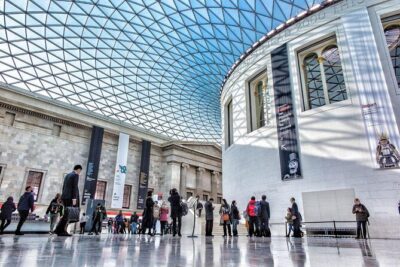
British Museum London Guided Tour Semi-Private 8ppl Max
Read our review →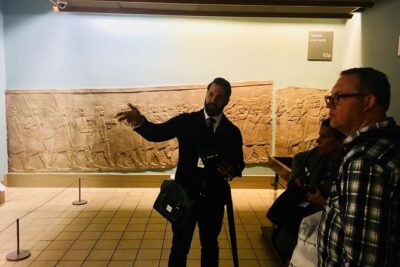
The British Museum London – Exclusive Guided Museum Tour
Read our review →
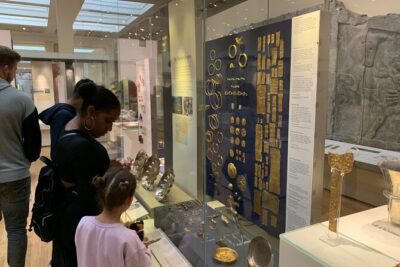
Private Guided Tour of the British Museum – Tickets Included
Read our review →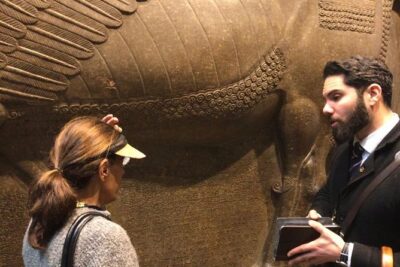
British Museum & National Gallery of London Semi-Private 8ppl Max
Read our review →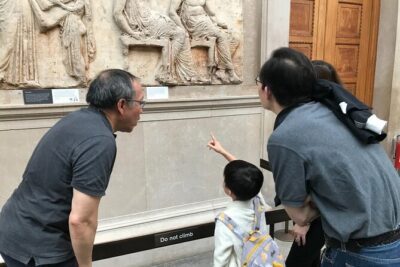
Explore Biblical Artifacts at the British Museum
Read our review →
British Museum Highlights Private Tour in London including the Rosetta Stone
Read our review →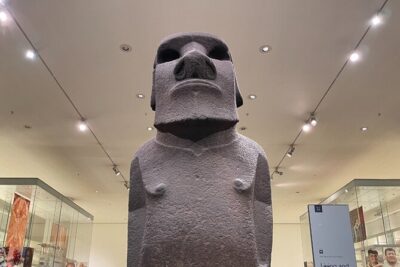
Browse the lists this tour appears in