

Reviewed · MUSEUMS
The Postal Museum Admission Ticket
Some museums hide a train underground. The Postal Museum turns five centuries of communication into a lively London outing, with old postal equipment, interactive displays, early stamps, five-wheeled cycles, and a ride through the former Mail Rail tunnels. I especially like the way the museum makes an everyday service feel surprising, and I like that children can learn by touching and trying things rather than simply reading labels. The main drawback is that the Mail Rail ride can close for maintenance or other operating reasons, so you should check before setting off.
The visit usually takes between 1½ and 2½ hours, depending on how closely you explore the displays and how long you wait for the train. At about $25.55 per person, it is not a free museum visit, but the price can be fair if you use both parts of the attraction and stay long enough to enjoy the interactive exhibits.
In This Review
- Key points before you book
- Why London’s postal museum is more fun than it sounds
- Start with Mail Rail across the street
- What the train tells you about postal work
- Explore five centuries in the main museum
- Two different moods, one connected story
- Time, price, and what you get
- A practical visit for families
- Accessibility and comfort details
- Weather, closures, and booking cautions
- Who will enjoy The Postal Museum most?
- Should you book The Postal Museum?
- FAQ
- How long does a visit to The Postal Museum take?
- Is the Mail Rail ride included with admission?
- Is The Postal Museum suitable for children?
- Is The Postal Museum accessible?
- Can I buy an audio guide?
- What happens if the experience is canceled because of bad weather?
Key points before you book
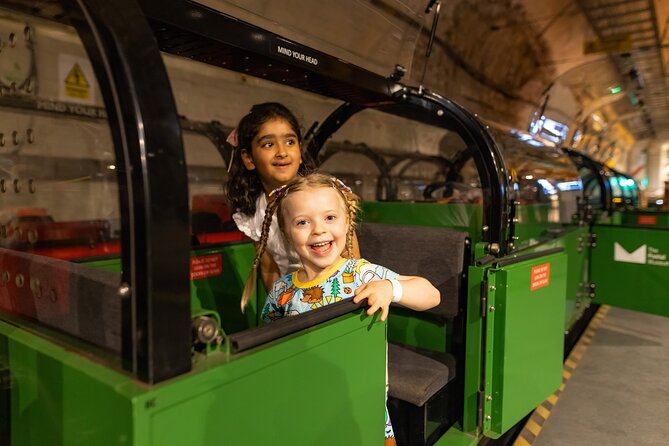
- The Mail Rail is the star attraction: Ride London’s former underground postal railway through dark tunnels and see how mail once moved beneath the city.
- There are two parts to find: The Mail Rail building and the main Postal Museum are across the street from each other, and signage can make the layout less obvious than expected.
- Allow up to 2½ hours: Families may need extra time for the interactive models, hands-on displays, and the train experience.
- It works well on a rainy day: Much of the visit is indoors, though the operator says poor weather can affect operation or lead to a rescheduled visit.
- The train is dark and cramped: Young children may find the ride loud or scary, and taller adults may feel short of headroom.
- Extra family activities cost more: Annual entry to the exhibitions costs £2 per person, while Sorted! The Postal Play Space costs £4.50 per person for children aged 0 to 8.
Why London’s postal museum is more fun than it sounds

Postal systems rarely make the top of a London sightseeing list. That is exactly why this museum can surprise you. The story begins with ordinary needs: sending news, keeping families connected, moving money, and linking communities across long distances. From there, the displays show how postal communication helped shape wider society.
I like the museum’s choice of subject because it connects with almost everyone. You have posted a letter, waited for a parcel, searched for a stamp, or watched a delivery worker bring something important to your door. The museum takes those familiar acts and shows the machines, workers, routes, and social changes behind them.
The tone is not purely celebratory. You may also find material about the changing role of the postal service and the pressures facing it today. One especially worthwhile display has examined Voices of Resistance: Slavery and Post in the Caribbean, linking postal systems with difficult parts of British and global history. That gives the museum more weight than a simple collection of old uniforms and equipment.
The overall rating is 4.4 from 347 submitted ratings, which fits the experience well. The Mail Rail gets the biggest applause, but the main museum earns its place by explaining why the railway existed and what postal work meant to daily life.
More Museums in London:
- Tower of London and Crown Jewels Exhibition Ticket
★ 4.5 · 6,677 reviews - Chelsea FC Stadium Tours and Museum
★ 5.0 · 1,908 reviews - Official tickets: Moco Modern & Contemporary Art Museum
★ 4.5 · 1,157 reviews
Start with Mail Rail across the street
The attraction is split between two locations. The Mail Rail building is across the street from the main exhibition, so take a moment to work out where you are going before you settle into the visit. A few people have found the signage easy to miss, and it is possible to focus so much on the train that you nearly skip the larger museum.
I would begin with Mail Rail. It gives you the most unusual part first, and it helps to secure the central experience before you spend time among the exhibits. One family arrived to find a wait of about 20 minutes, which is not excessive, but it can grow during school holidays or busy periods.
The ride takes you through London’s former underground postal railway. It is not a long heritage railway journey across open countryside. Instead, you enter a confined underground world where the darkness, old infrastructure, and moving vehicle create the atmosphere.
Along the route, information and storytelling explain how the railway operated and changed through the years. The train ride is short enough for children to manage, but memorable enough to become the part they talk about afterward. One seven-year-old who had become tired of museums during a European holiday described this one as awesome, largely because of the tunnels and hands-on activities.
You should know what the carriage feels like before you board. The ride is dark and can be loud, which may unsettle younger children or anyone sensitive to noise. A tall adult around 5 feet 11 inches may find the roof very close to the head, so comfort is not the same for everyone.
The ride also has a slightly theatrical quality. The history is brought to life as you travel, rather than being left on a wall panel. That makes it easier for children to understand that this was a working railway with a practical purpose, not merely an unusual amusement ride.
What the train tells you about postal work
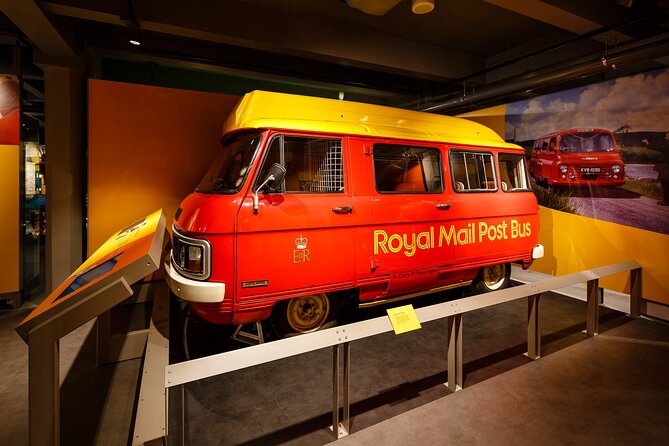
Mail Rail existed to move post beneath busy London streets. The underground route allowed workers to transport mail without relying entirely on surface traffic, and the railway became an important part of the city’s communication system.
The experience is valuable because you are not only looking at a machine. You are entering the setting where the work happened. Old workers’ lockers, including their contents at the time the station closed, add a human touch. They suggest the people who reported for duty, stored their belongings, and kept an unseen system moving.
That detail also helps explain why the museum appeals to adults who remember post offices as a central part of community life. The visit can prompt useful conversations between grandparents and children about a time when postmen and women were familiar, trusted figures in local neighborhoods.
The train is enjoyable even if you have little interest in postal history. Still, the ride makes more sense when you follow it with the main exhibitions. If you only have a short window, Mail Rail alone can be worthwhile, but you will miss much of the context that gives the attraction its meaning.
Explore five centuries in the main museum

After Mail Rail, cross to the main Postal Museum. The exhibition covers five centuries of postal communication through the eyes of Britain’s postal service. You can expect a mixture of objects, models, stories, and interactive displays rather than a quiet, label-heavy collection.
The subject range is broad. Displays cover the tools and vehicles used to move mail, the stamps that changed access to postage, and the way postal communication helped connect a global society. Five-wheeled cycles and early stamps give the collection visual appeal, while the wider social material explains why these objects mattered.
The museum works best when you slow down. It is easy to rush through after the train, especially if you have young children or another appointment. Give yourself time to try the interactive models and follow the displays in sequence. Families who allow two to three hours tend to get more from the visit than those who treat it as a quick stop.
The hands-on sections are a major strength. Pneumatic tubes are a particular favorite, and they give you a clear, physical sense of how messages and objects could be moved through a system. Children can see a process happen rather than simply being told that it existed.
Adults should not assume the interactive features are only for children. I like the way they make complicated postal systems easier to grasp, and the playful elements break up the more serious social history. The result is a museum that can keep an eight-year-old interested while still giving an adult plenty to think about.
A few more to weigh up in London
- Stonehenge, Windsor Castle, and Bath from London
★ 4.5 · 18,662 reviews - London Big Bus Hop-On Hop-Off Tour with Optional River Cruise
★ 3.5 · 10,803 reviews - London Small Group Tour of Historical Pubs
★ 5.0 · 10,422 reviews - Stonehenge, Windsor Castle and Bath with Pub Lunch in Lacock
★ 4.5 · 7,402 reviews
Two different moods, one connected story

The two buildings have different personalities. Mail Rail is dark, enclosed, mechanical, and focused on movement. The main museum is brighter and more spacious, with displays that ask you to stop, look, and consider the wider role of communication.
That contrast helps the visit. You get a moment of excitement on the railway, followed by time to understand the people and systems behind it. If you only do the ride, you may remember the tunnels but lose the story. If you only visit the exhibitions, you miss the attraction’s most distinctive experience.
The split location does create a practical nuisance. Keep track of which building you are in, and follow signs carefully when moving between them. The main exhibition and Mail Rail are close, but the layout is not always immediately clear.
The museum also includes family-friendly interactive areas, and there is a dedicated play option called Sorted! The Postal Play Space for children aged 0 to 8. This costs £4.50 per person in addition to the admission ticket, so factor it into your budget if you have young children who need a more active break.
Time, price, and what you get

The listed price is about $25.55 per person. That is a reasonable price only if you plan to use the full attraction. A quick look around the main museum followed by a short train ride may feel expensive beside London’s many free museums.
The value improves if you give the visit a proper block of time. Plan for at least 90 minutes, and preferably closer to two or two and a half hours if you are with children or enjoy interactive displays. You are paying for admission to the museum and the Mail Rail experience, not just for a standard gallery ticket.
An audio guide upgrade is available if you want more explanation while moving through the collection. The standard experience is offered in English, so an audio guide may help you get more detail from the objects and stories if you prefer guided commentary.
Extra costs include £2 per person for annual entry to the museum’s exhibitions and £4.50 per person for the Sorted! play space. The supplied ticket includes admission, but these add-ons are separate. The on-site café can be useful for a break, though its selection may be limited and hot food may not always be available.
A practical visit for families
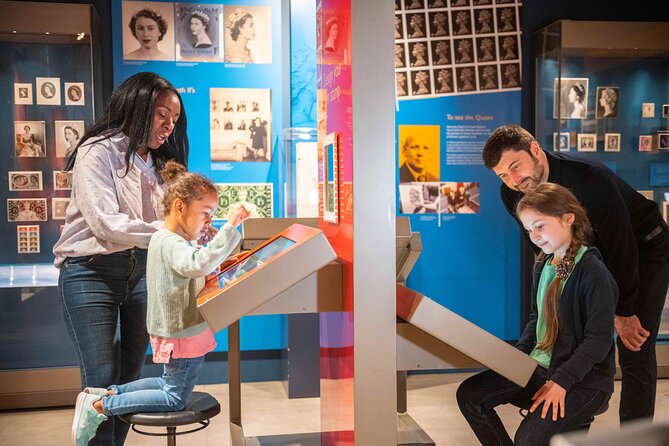
The Postal Museum is particularly good for families with primary-school-age children. The train is exciting, the interactive exhibits invite participation, and the subject is easy to connect with everyday life. Children aged around 6 to 10 may get the best balance of fun and understanding, though younger children can still enjoy the ride and play areas.
You should prepare children for darkness and noise before boarding Mail Rail. A child who dislikes enclosed spaces may prefer the main museum, while a child who loves trains may be happy to make the ride the centerpiece of the day.
The attraction can also work well for grandparents and grandchildren. The postal story crosses generations, and older visitors may remember a time when postal workers played a larger role in neighborhood life. That makes the museum a useful place for family stories, not just a place to keep children occupied.
The café is described as family-friendly, but expectations should remain modest. It may be suitable for a drink or simple pause rather than a full restaurant meal. If lunch matters to your plan, check what is available on the day or arrange food elsewhere.
Accessibility and comfort details
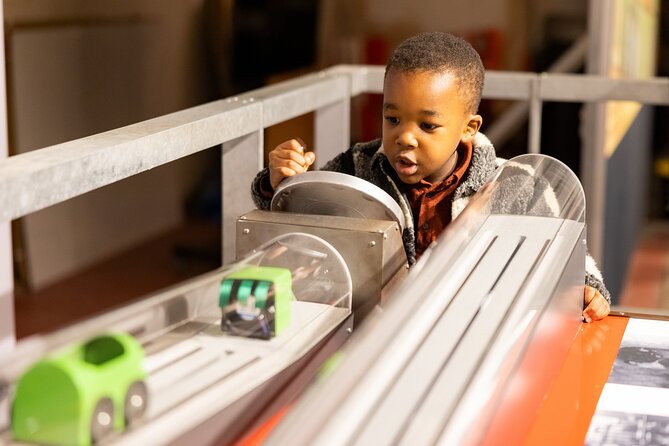
All spaces in The Postal Museum have step-free access. All spaces in the Mail Rail building also have step-free access, except for the ride itself.
The attraction does require a particular level of mobility. You must be able to walk unaided for at least 100 metres over uneven surfaces in minimal lighting and climb at least 70 steep steps. That requirement matters even though much of the museum is step-free.
Service animals are allowed. The site has gender-neutral accessible toilets and a Changing Places facility, and it provides resources for autistic visitors along with an audio-described introduction to the museum.
Children must be accompanied by an adult. Most people can take part, but the mobility requirements and the dark, confined train ride mean you should check the full accessibility details before booking if anyone in your party has specific needs.
One deaf visitor found the spoken material under the train difficult to follow. That is a useful reminder to ask about how the information is delivered if you rely on captions, visual interpretation, or other support.
Weather, closures, and booking cautions
This is a strong rainy-day idea because the museum buildings are indoors. However, the booking conditions say the experience requires good weather, and poor weather can lead to a different date or a full refund if the operator cancels.
The Mail Rail can also close for planned maintenance. A previous closure left a family disappointed because the train was the main reason for visiting. Check the museum’s current operating information before you go, especially if you are booking far ahead or traveling with children who are expecting the ride.
The ticket is non-refundable and cannot be changed for any reason if you cancel or request an amendment. That makes it sensible to choose your time slot carefully and confirm that the ride is operating before committing.
You can choose from a range of time slots, and confirmation arrives when you book. The ticket is mobile, so you do not need to print it. The experience is offered in English.
Who will enjoy The Postal Museum most?
You should consider this visit if you want something different from London’s major art galleries and royal sights. It suits families, train enthusiasts, history fans, postal workers and former postal workers, and anyone who enjoys museums with buttons, models, and moving parts.
It is also a good choice when rain disrupts an outdoor day. The subject may sound ordinary, but the underground railway gives the visit a clear hook, while the main museum adds enough substance for adults.
You may want to skip it if you dislike enclosed rides, have difficulty with steep steps or uneven surfaces, or want a free museum experience. You should also think twice if the Mail Rail is closed and the train is your main reason for going. The exhibitions remain worthwhile, but the visit loses its most unusual feature.
Should you book The Postal Museum?
I would book it if you have at least two hours and want a family-friendly museum with a genuine London story behind it. Start with Mail Rail, cross carefully to the main museum, and leave enough time for the interactive exhibits instead of treating the attraction as a quick train ride.
At around $25.55, it is not the city’s cheapest museum stop. Still, the combination of a working-world story, underground railway, hands-on displays, and social history gives you a fuller experience than the price may suggest.
Before paying, confirm that Mail Rail is running, check the mobility requirements, and remember that the ticket is non-refundable. If those conditions suit your party, The Postal Museum is an unusual and rewarding addition to a London itinerary.
FAQ
How long does a visit to The Postal Museum take?
Plan for approximately 1 hour 30 minutes to 2 hours 30 minutes. Families who want time for the interactive displays may need the longer end of that range.
Is the Mail Rail ride included with admission?
A visit includes the Mail Rail experience as part of the attraction. The ticket includes admission, while the Sorted! play space and annual exhibition entry are separate paid options.
Is The Postal Museum suitable for children?
Yes. It is family-friendly, with interactive exhibitions and a train ride that many children enjoy. Children must be accompanied by an adult, and the ride is dark and loud, so it may worry some younger children.
Is The Postal Museum accessible?
All spaces in The Postal Museum have step-free access. The Mail Rail building is also step-free except for the ride, but you must be able to walk unaided for at least 100 metres over uneven surfaces in minimal lighting and climb at least 70 steep steps.
Can I buy an audio guide?
Yes. You can upgrade your admission to add an audio guide. The experience is offered in English.
What happens if the experience is canceled because of bad weather?
If the operator cancels because of poor weather, you will be offered a different date or a full refund. If you cancel or request an amendment yourself, the ticket is non-refundable and cannot be changed.
Just added in London
- Private Tour: Royal High Tea At Kensington Palace Gardens★ 5.0 · 39 reviews
- Private Tour: Personal Travel Photographer Tour in London★ 4.5 · 27 reviews
- London East End Private Walking Food Tour – Secret Food Tours★ 5.0 · 26 reviews
- Private Tour: Night Photography Tour in London★ 5.0 · 48 reviews
- London Like a Local, Private & Personalized (2-3 hrs)★ 4.5 · 11 reviews
- British Museum & National Gallery of London – Exclusive Guided Combo Tour★ 5.0 · 48 reviews
- Private Tour: Tower of London and St Paul’s Cathedral★ 5.0 · 1 review
- London Soho District – Exclusive Guided Walking Tour★ 5.0 · 2 reviews
Museums, compared.

Tower of London and Crown Jewels Exhibition Ticket
Read our review →

Official tickets: Moco Modern & Contemporary Art Museum
Read our review →
British Museum London Guided Tour Semi-Private 8ppl Max
Read our review →
The British Museum London – Exclusive Guided Museum Tour
Read our review →

Skip the Line: Liverpool Beatles Museum – The perfect tribute to the Beatles
Read our review →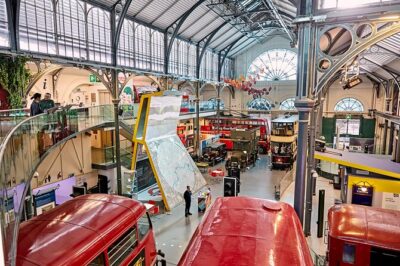
Browse the lists this tour appears in