
Reviewed · BRITISH MUSEUM TOURS
Crash course in archaeology at the British Museum
History comes alive when objects get a story. This five-and-a-half-hour British Museum tour links early human tools, ancient scripts, royal monuments, burial finds, games, and military power into one long human story. I especially like the chronological approach, which gives the museum’s scattered galleries a clear shape, and the guide Rossa’s storytelling, praised for making easily missed objects meaningful. The main drawback is simple: five hours is a long time to spend mostly standing, and this tour favors depth over seeing every famous object.
This is not a quick greatest-hits walk. You will not race past 20 objects in an hour and call the museum conquered. Instead, a qualified archaeologist leads you from early hominids and the first villages through Mesopotamia, Egypt, Greece, Rome, the Saxons, and medieval Britain. I would choose it if you want context and interpretation, but first-time visitors focused on ticking off every headline exhibit may prefer a shorter highlights tour.
In This Review
- Key points to know before you book
- A chronological route through a very large museum
- Mesopotamia, writing, and the first cities
- Egypt beyond the Rosetta Stone
- Greece, Rome, and the politics of famous objects
- Vikings, Saxons, and the road toward modern Britain
- What the guide adds to the objects
- Five hours is a commitment, so prepare well
- Is $83.34 good value?
- Who will enjoy this archaeology course?
- Morning timing and the rest of your London day
- Should you book Crash Course in Archaeology?
- FAQ
- Where does the tour begin?
- What time does the tour start?
- Where does the tour finish?
- How long does the experience last?
- What does the price include?
- Which museum subjects and periods are covered?
- Is museum admission included?
- Can I cancel for a full refund?
Key points to know before you book
- A five-hour story of civilization: The route moves from early stone tools and hunter-gatherers to towns, cities, empires, and early Britain.
- Rossa is the central strength: His archaeological background, humor, and clear storytelling receive the warmest praise.
- Famous objects appear in context: Expect the Rosetta Stone, Elgin Marbles, Lewis Chessmen, Assyrian displays, Egyptian material, and more.
- The pace is selective, not exhaustive: You spend time discussing important objects rather than skimming every gallery.
- Plan for standing and breaks: Small folding stools can help, and the tour includes time for lunch, refreshments, and bathrooms.
- Morning timing helps: The 9:45 a.m. start leaves your afternoon open for another London sight.
A chronological route through a very large museum
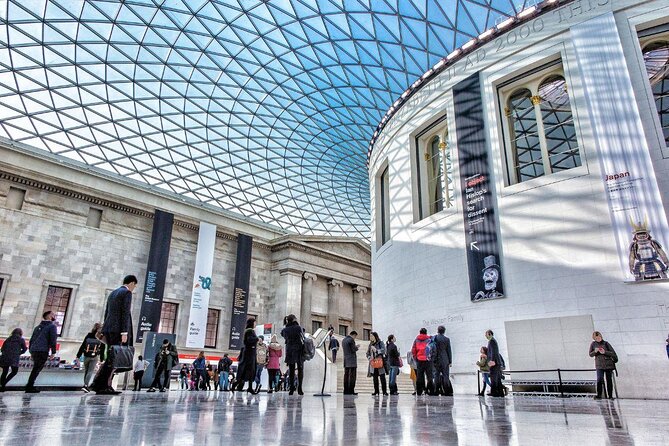
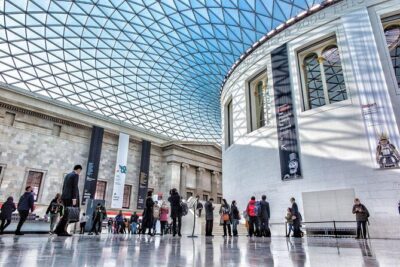
The British Museum can feel like several museums joined together. Its rooms cover wide stretches of time and place, and the building offers little help if you arrive without a plan. This tour solves that problem by using time as its organizing thread.
You begin at 9:45 a.m. near Russell Square, at Bernard Street, then make your way to the museum on Great Russell Street. The British Museum is the main stop, and the guided portion lasts about five hours, with the full experience listed at roughly five hours and 30 minutes.
The route starts with the earliest evidence of human development. You may look at stone tools and early hominid material while considering what such plain objects can tell us. A chipped stone has no inscription and no royal name, yet it can reveal changes in skill, diet, movement, or survival.
From there, the story moves to hunter-gatherer societies, the beginning of agriculture, and the creation of permanent settlements. That shift is one of the most useful parts of the tour because it gives later objects a foundation. Villages, towns, writing, trade, religion, and government did not appear separately. They grew from major changes in how people lived and produced food.
Rossa’s method, based on the detailed descriptions of his tours, is to connect a broad historical change to a handful of objects. That keeps the story manageable inside a museum that could occupy you for days.
More British Museum visits:
- British Museum London Guided Tour Semi-Private 8ppl Max
★ 5.0 · 984 reviews - The British Museum London – Exclusive Guided Museum Tour
★ 5.0 · 555 reviews - British Museum Guided Tour
★ 4.0 · 470 reviews
Mesopotamia, writing, and the first cities
The Mesopotamian rooms are a major reason to book this experience. The British Museum played an important role in excavating and interpreting sites in the region, and the tour uses that material to explain the growth of towns, cities, administration, and writing.
Cuneiform is not treated as a mysterious collection of wedge-shaped marks. You learn why writing developed, what it recorded, and how scholars worked out the meaning of ancient scripts. That makes the display more than a wall of small clay tablets. It becomes evidence of people organizing labor, trade, law, and public life.
The tour also explains how ancient scripts were deciphered. Egyptian hieroglyphs and cuneiform are presented as archaeological problems solved through patient comparison, repeated patterns, and the study of known languages. For me, this is one of the strongest educational features because it shows archaeology as detective work rather than a parade of old things.
Jericho also enters the story, along with the development of early settlements. You may hear how excavated layers help establish a sequence of occupation and change. The value here is not just the age of the site. It is the way archaeologists use buildings, tools, food remains, and settlement patterns to reconstruct daily life.
Egypt beyond the Rosetta Stone
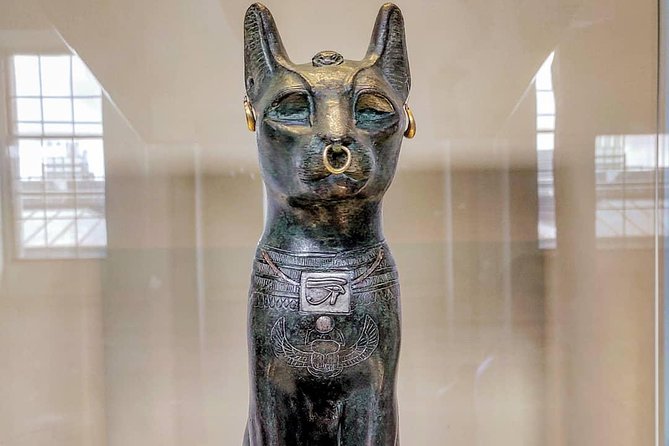
Egypt is a natural crowd-puller at the British Museum, but this tour does not reduce the subject to one famous stone or a quick look at a mummy display. The Egyptian material fits into the larger story of writing, kingship, religion, technology, and state power.
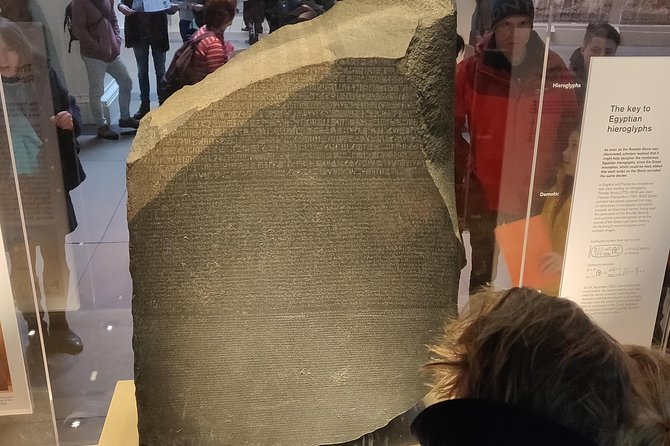
The Rosetta Stone is central because it connects objects with the decipherment of hieroglyphs. You will get more from it if you understand why the repeated text in different scripts mattered. The object is famous, but the real lesson is how language opened the door to an entire civilization’s written record.
Ramses II is another named highlight. His monuments provide a way to discuss royal image-making and the scale of ancient power. The point is not simply that the pharaoh was important. It is how rulers used images, inscriptions, and huge stone works to project authority across time.
The tour’s broader arc helps here. Egypt is not an isolated chapter. It sits alongside Mesopotamia, Greece, Rome, and later cultures, allowing you to compare how societies handled writing, government, war, belief, and memory.
Greece, Rome, and the politics of famous objects
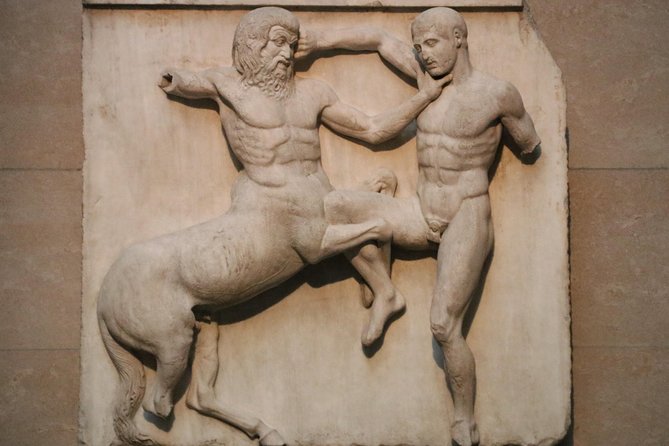
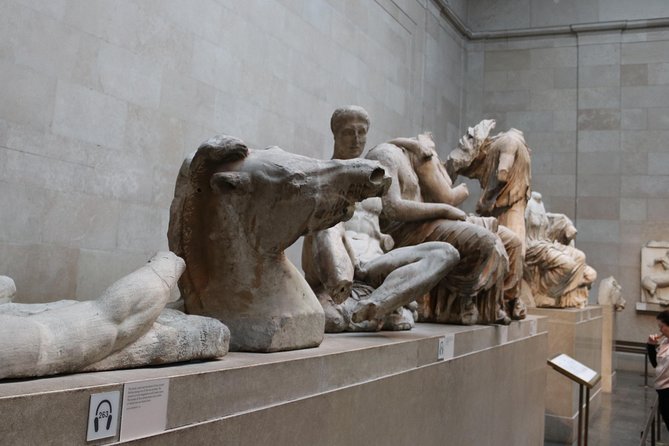
The Greek galleries bring the Elgin Marbles into the route. You can expect discussion of their artistic and historical importance, as well as the story of how they came to be part of the museum’s collection. The experience is stronger when you see the sculptures as evidence of a particular culture and period, not just as celebrated works of art.
Rome follows as a major force in the story of empire. The tour uses objects to show how Roman power spread and how material culture can reveal military organization, public life, trade, and cultural exchange. The Roman section also helps connect ancient civilization to the later story of Britain.
This section may feel selective. You will not receive every detail about Greek art or Roman Britain. Instead, the guide chooses objects that support the main timeline. That is a good trade if you value explanation, but it can frustrate you if you hoped to wander freely through each gallery.
A useful way to think about the tour is as an extended lecture delivered in museum rooms. You move from gallery to gallery, stop in a small space, and listen while the object becomes part of a larger argument about how people lived.
More Museums in London:
- Tower of London and Crown Jewels Exhibition Ticket
★ 4.5 · 6,677 reviews - Chelsea FC Stadium Tours and Museum
★ 5.0 · 1,908 reviews - Official tickets: Moco Modern & Contemporary Art Museum
★ 4.5 · 1,157 reviews - The Postal Museum Admission Ticket
★ 4.5 · 347 reviews
Vikings, Saxons, and the road toward modern Britain
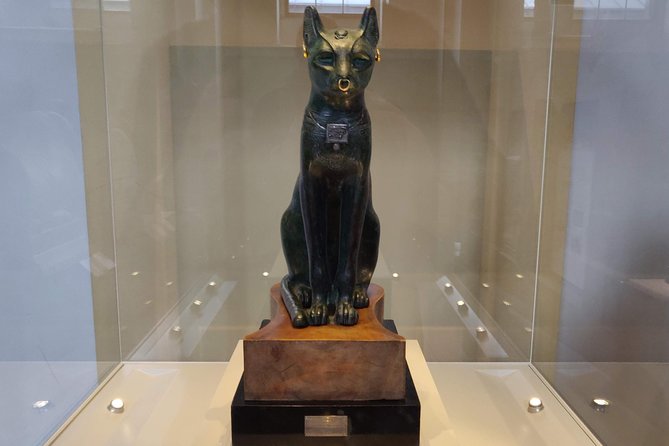
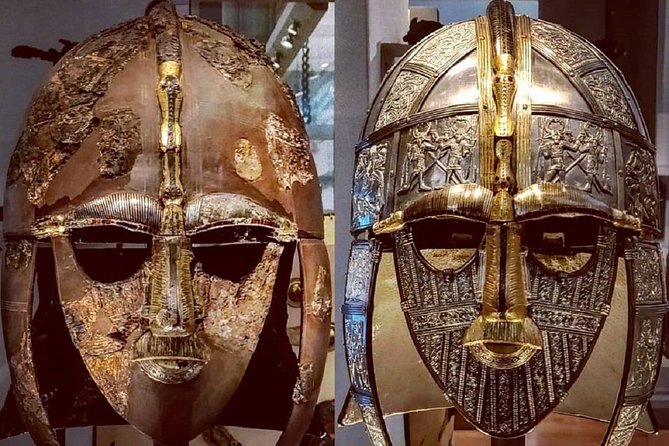
The route does not stop with Egypt, Greece, and Rome. It continues through the Vikings, the Saxons, and early Britain. This later section gives the tour a satisfying finish because it connects the ancient world to the history under your feet in London.
The Lewis Chessmen are one of the memorable stops. These small carved figures can look like charming curiosities when seen alone. In context, they open questions about trade, craftsmanship, play, status, and the movement of objects across the medieval world.
The tour also reaches Victorian London and Paris in its larger account of archaeology and collecting. That matters because the museum is not only about ancient societies. It is also about the archaeologists, relic hunters, explorers, and collectors who gathered material and shaped the way modern audiences understand the past.
That subject can be complicated. A collection assembled through exploration and empire does not tell a neutral story. The experience appears to address the people behind the collection, which gives you a better basis for thinking about how objects arrived in London and why museums present them as they do.
What the guide adds to the objects
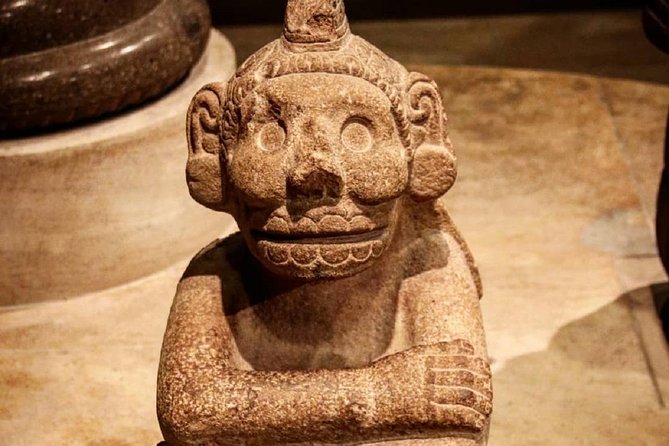
The guide is the strongest reason to spend five hours on this tour. Rossa is repeatedly praised for his passion, clear explanations, humor, and ability to tell a good story. His archaeological training also helps him point out objects you might pass without stopping.
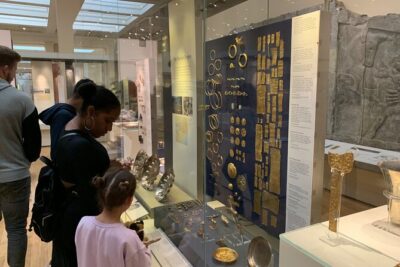
That last point is important. The British Museum displays far more than any short visit can absorb. A guide can show you why a plain tool, fragment, tablet, game piece, or excavation photograph matters. You may leave remembering not just the biggest statue in the room, but the small piece that changed how archaeologists understood a period.
The storytelling also gives the tour emotional shape. Instead of hearing disconnected facts, you follow human choices: where people settled, how they recorded information, how rulers displayed power, how archaeologists interpreted fragments, and how discoveries changed modern knowledge.
The guide’s delivery seems conversational rather than rushed. Breaks are built into the long format, including time for lunch, refreshments, and bathrooms. One reported schedule included about 40 minutes for lunch and a shorter pause later, though timing can vary.
Five hours is a commitment, so prepare well
The greatest practical issue is standing. Five hours inside a museum can tire your feet even when the subject is fascinating. Several useful tips emerge from the experience itself: look for the museum’s small folding stools when you enter, and take one if you need regular support.
You may not always sit during the guide’s explanations. Stops take place in gallery spaces, and the group gathers near selected objects. If standing is difficult for you, the length of this tour deserves serious thought.
Bring food if you want an inexpensive lunch. Lunch is not included, and the museum’s food options are described as limited and expensive. A 40-minute break gives you time to eat, but you will have a better choice of meals if you plan ahead.
Museum entry may involve a queue, especially at the beginning. One account describes waiting for admission and then receiving extra time later in the day. Build a little patience into your morning rather than expecting the tour to run like a private appointment.
The group can include up to 25 people. That is large enough for a lively mix but small enough for a guide to address the group directly. A smaller group may feel easier around crowded displays, while a full group could make it harder to hear or find a clear view.
Is $83.34 good value?
At $83.34 per person, this is not a cheap way to enter the British Museum, especially since the museum admission ticket itself is listed as free. You are paying for the archaeologist guide, the planned route, and five hours of interpretation.
That price can make sense if you would otherwise wander for an hour, see a few famous objects, and leave without understanding how the collection fits together. The guide saves you from spending time deciding which rooms to visit and gives each stop a reason to matter.
It is less attractive if you already know the museum well, prefer to explore at your own pace, or mainly want photographs of famous exhibits. You could enter for free and spend the money on a guidebook, audio option, or lunch instead.
I see the value in this tour as educational rather than purely sightseeing. It is closer to a long museum seminar than a standard highlights walk. If you love archaeology, ancient civilization, and the stories behind discoveries, five hours of expert attention can be worthwhile.
The tour is also a good choice for a repeat visit. First-time visitors often feel pressure to see everything. Someone returning to the museum can use this experience to understand how the displays connect, then explore favorite rooms independently afterward.
Who will enjoy this archaeology course?
I would recommend it most strongly to you if you:
- Want ancient history explained through objects rather than dates alone
- Enjoy long-form storytelling and discussion
- Are curious about how hieroglyphs and cuneiform were deciphered
- Want to compare Egypt, Mesopotamia, Greece, Rome, Vikings, and early Britain
- Have already visited the British Museum and want more meaning from it
- Can manage several hours with periods of standing
Families with older children may also find the stories engaging, but the five-hour length requires patience. The tour is offered in English, so you should be comfortable following a detailed spoken explanation for much of the day.
I would not make it your first choice if your only goal is to see the Rosetta Stone, Elgin Marbles, and Lewis Chessmen as quickly as possible. You will see major objects, but the tour spends time on selected pieces and the ideas they represent.
Service animals are allowed, the meeting point is near public transportation, and most people can participate. The activity has a maximum group size of 25, which gives the guide a workable audience without promising an intimate private tour.
Morning timing and the rest of your London day
The 9:45 a.m. start is practical. A morning tour uses the first part of your day for the museum and leaves the afternoon open. You could then choose another London activity, return to a favorite museum room, or simply stop before your brain turns to ancient clay.
The length means you should not place a tight appointment immediately afterward. The official duration is approximate, and museum entry or an extended explanation can affect the finish. Give yourself breathing room.
The end point is the British Museum on Great Russell Street. That makes it easy to continue exploring nearby, though the tour itself does not include lunch or additional museum time after the guided portion.
Should you book Crash Course in Archaeology?
Book it if you want to understand how human societies changed and how archaeologists reconstruct that past from fragments. Rossa’s storytelling, the chronological structure, and the range of material from early tools to the Saxons make this far more than a quick circuit of famous rooms.
Skip it if you want freedom, speed, or a complete sweep of the museum. Five hours is a serious commitment, and standing can be tiring. The best preparation is simple: wear comfortable shoes, bring food, allow for queues, and find a folding stool early.
For the right audience, the price buys something the free museum entrance cannot provide: a clear thread through an overwhelming collection. I would choose this tour for a history-minded repeat visit, a serious first visit with plenty of time, or anyone who wants the British Museum to feel less like a warehouse of wonders and more like one long story about human life.
FAQ
Where does the tour begin?
It begins at Russell Square, Bernard Street, London WC1N 1LJ.
What time does the tour start?
The scheduled start time is 9:45 a.m.
Where does the tour finish?
The tour finishes at the British Museum on Great Russell Street, London WC1B 3DG.
How long does the experience last?
The experience lasts approximately five hours and 30 minutes. The guided museum portion is listed as five hours.
What does the price include?
The price includes a qualified archaeologist guide. Lunch is not included.
Which museum subjects and periods are covered?
The route covers early human development, hunter-gatherers, agriculture, early villages and cities, ancient Egypt, Assyria, Mesopotamia, Greece, Rome, Vikings, Aztecs, Saxons, and early Britain. It also discusses how hieroglyphs and cuneiform were deciphered.
Is museum admission included?
The British Museum stop lists admission as free. The paid experience is for the guided tour.
Can I cancel for a full refund?
Yes. You can cancel at least 24 hours before the scheduled start time for a full refund. Cancellations or changes made less than 24 hours before the start are not accepted for a refund.
Just added in London
- Private Transfer From London to Southampton Cruise Terminal★ 4.0 · 2 reviews
- Layover Tour of London from LHR Executive Luxurious Vehicle Private Tour 6 hour★ 4.5 · 9 reviews
- Pub & History Tour London (History & Beers)★ 5.0 · 3 reviews
- eSIM for UK (34 EU countries) | 3 to 30 days. Up to 40GB of data★ 4.0 · 18 reviews
- Young Victoria’s London: Windsor Castle & Kensington Palace★ 5.0 · 1 review
- Zombie Scavengers Game – Southend-on-Sea, UK★ 4.5 · 2 reviews
- Women of Whitechapel 2 hour Walking Tour★ 5.0 · 15 reviews
- Working Women of the East End Walking Tour★ 5.0 · 85 reviews
British Museum Tours, compared.
British Museum London Guided Tour Semi-Private 8ppl Max
Read our review →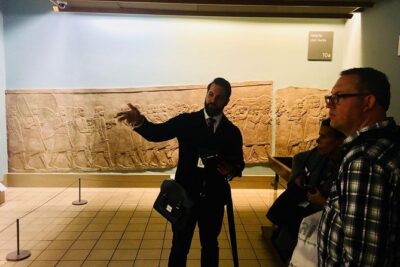
The British Museum London – Exclusive Guided Museum Tour
Read our review →
Private Guided Tour of the British Museum – Tickets Included
Read our review →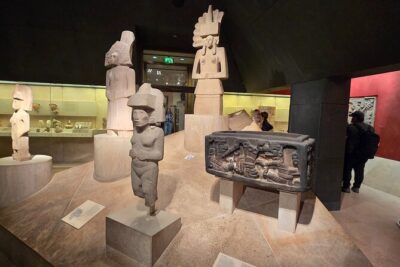
British Museum Guided Tour with Priority Timeslots(Small Group)
Read our review →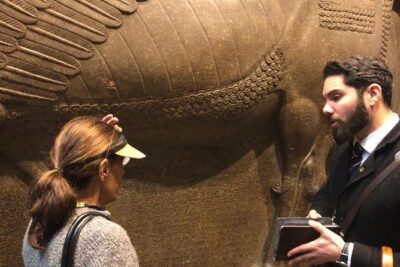
British Museum & National Gallery of London Semi-Private 8ppl Max
Read our review →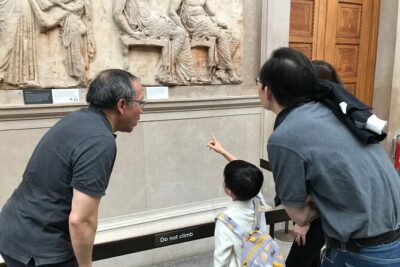
Explore Biblical Artifacts at the British Museum
Read our review →
British Museum Highlights Private Tour in London including the Rosetta Stone
Read our review →Browse the lists this tour appears in