
Reviewed · WALKING TOURS
Working Women of the East End Walking Tour
London’s overlooked women are waiting at street level. The Working Women of the East End Walking Tour gives you a focused way to meet the women who shaped this part of London, from working-class reformers to women linked with the labor movement. I like its attention to lives often left out of standard London sightseeing, and I like that the stories unfold in the actual streets where events took place. The main drawback is that the tour covers serious subjects, including poverty, unsafe work, and the horrific crimes of Jack the Ripper.
I also like the small-group limit of 20 people, which should make it easier to hear and ask questions. Guides Becky and Emily receive especially warm praise for their research, humor, and clear storytelling. The tour lasts about two and a half hours, so wear comfortable shoes and come ready to walk, pause, and listen.
In This Review
- Key reasons to consider this East End walk
- Why this East End tour feels different
- Starting at Tower Hill and meeting the women of the Tower
- Working women and the social story of the East End
- Brick Lane: five minutes that opens a larger story
- Spitalfields Market and the end of the route
- Jack the Ripper, handled within a wider history
- Becky and Emily: what makes the guiding work
- Pace, comfort, and the practical side
- Is $55.50 a fair price?
- Who should book this walk?
- My verdict on the Working Women of the East End Walking Tour
- FAQ
- Where does the Working Women of the East End Walking Tour start?
- Where does the walking tour finish?
- How long does the tour last?
- Is Jack the Ripper included?
- Is food included in the ticket price?
- How many people can join the tour?
Key reasons to consider this East End walk
- It begins at Tower Hill and ends at Spitalfields Market, linking major London history with a lively modern food and transport hub.
- Women’s working lives take center stage, including stories connected with wash houses, labor politics, class, and social change.
- Becky and Emily bring strong research and personality, with a style that keeps a large amount of information from feeling heavy.
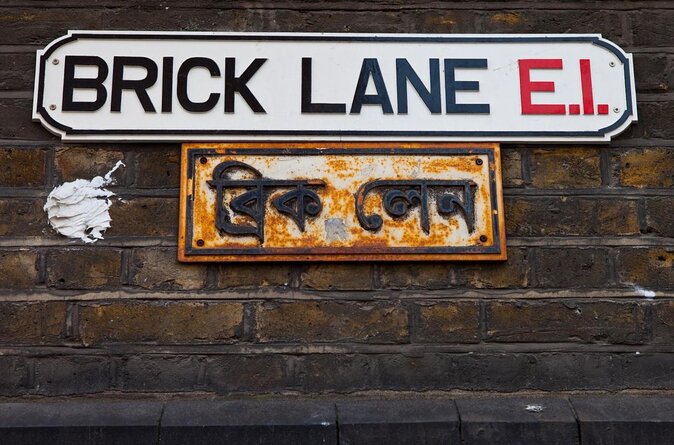
- The route includes Brick Lane and Spitalfields Market, two East End places where older working lives meet present-day London.
- Jack the Ripper appears as historical context, not as the sole purpose of the walk.
- A mid-tour toilet and tea or coffee stop makes the 150-minute walk easier to manage.
Why this East End tour feels different
London has no shortage of walking tours. Many focus on kings, churches, monuments, or crime. This one asks a more useful question: where are the women in those stories?
The answer comes through streets, markets, workplaces, political struggles, and community life in the East End. You are not simply shown a plaque and given a date. The tour connects women’s daily work with wider changes in London society. That can include the hard realities of poverty, class restrictions, dangerous employment, and limited political power.
I like that the subject is broad without losing its local focus. You learn about women from different backgrounds, not only famous figures. Working-class women receive particular attention, along with the ways women helped make work safer and society fairer.
The tone is serious, but it is not described as gloomy from start to finish. Becky is praised for bringing humor and passion to the walk, while Emily is praised for explaining a large amount of material without rushing or overwhelming the group. That balance matters. A history walk can become a lecture with pavement underfoot. Here, the guides appear to keep the stories moving.
You should also expect history that may send you home wanting to read more. One particularly useful feature is the attention given to sources and research. Becky has explained how she found information, which helps you understand that these are not random anecdotes pulled from a guidebook.
More Walking Tours in London
- Tour for Muggles The Ultimate Harry Potter Walking Tour in London
★ 5.0 · 4,684 reviews - London Jack The Ripper Guided Walking Tour
★ 5.0 · 3,131 reviews - Changing of the Guard Guided Walking Tour in London
★ 5.0 · 1,793 reviews
Starting at Tower Hill and meeting the women of the Tower
The walk begins at Tower Hill, London EC3N 4DJ. The opening section explores women connected with the Tower, adding a different angle to one of London’s best-known historic areas.
The Tower is usually presented through monarchs, prisoners, military power, and famous executions. This tour shifts the focus toward the women connected with that setting and its history. The supplied details do not name every person or explain each stop, so you should expect the guide to supply the fuller story on the day rather than arrive with a fixed list of famous names.
That uncertainty is part of the appeal, but it also means this is not a conventional Tower of London admission tour. The walk does not include entry to the Tower as a separate attraction. You are exploring sites of importance from the outside and hearing the stories attached to them.
The meeting point is close to public transport, which makes Tower Hill a practical starting place. Still, give yourself time to find the exact meeting location. City streets around major attractions can be busy, and arriving calmly is better than beginning a history tour out of breath.
Working women and the social story of the East End
The heart of the walk is the way it places women’s work inside the larger story of London.
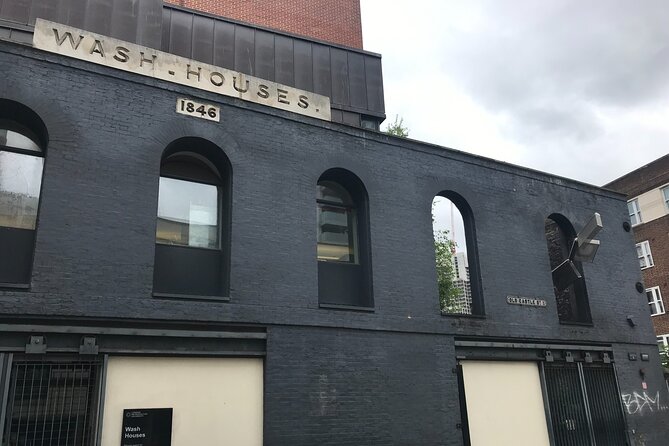
You may hear about occupations and institutions that rarely appear in a standard sightseeing route. Wash houses are one example. One part of the walk explains an 1846 wash house and its layout, giving you a physical sense of how an ordinary service worked and why it mattered.
That detail is valuable because working women’s history is often discussed in broad terms. A wash house, a market, or a local workplace makes the subject concrete. You can begin to picture the routines, pressures, and practical problems that shaped women’s lives.
The tour also connects women with the labor movement and with changes in working conditions. The emphasis is not only on heroic individuals. It is on how local figures and groups helped challenge an unfair class system and pushed for safer, more equal working life.
I appreciate that the walk includes women from different social positions. It does not treat women’s history as a parade of famous names from the upper classes. The focus reaches women who worked, organized, campaigned, supported families, and changed their communities without always receiving public credit.
The tour’s historical range is another strength. You move through different periods rather than hearing one isolated chapter. That helps show how the East End changed over time and how earlier struggles still connect with London today.
Brick Lane: five minutes that opens a larger story

The itinerary includes a short stop at Brick Lane, described as a historic London area. The listed stop is about five minutes, so do not expect a long break or a full food tour here.
Instead, Brick Lane works as part of the route’s larger picture of the East End. The street is now famous for food, markets, street art, and changing local culture, but the tour uses the area to explore its historical setting and the women connected with it.
A five-minute stop may sound brief, yet walking tours often use short pauses effectively. The guide can point out a place, explain its importance, and then keep you moving before the group loses its rhythm. If you want extended time for shops, food, or photographs, save that for after the tour.
Brick Lane is also a reminder that the East End is not a museum frozen in the past. The walk links older struggles and working lives with present-day London. That connection gives the stories more weight than a list of dates.
A completely different sort of day out:
- Stonehenge, Windsor Castle, and Bath from London
★ 4.5 · 18,662 reviews - London Big Bus Hop-On Hop-Off Tour with Optional River Cruise
★ 3.5 · 10,803 reviews - London Small Group Tour of Historical Pubs
★ 5.0 · 10,422 reviews - Stonehenge, Windsor Castle and Bath with Pub Lunch in Lacock
★ 4.5 · 7,402 reviews
Spitalfields Market and the end of the route
The tour finishes at Spitalfields Market, 65 Brushfield Street, London E1 6AA. The market stop is also listed as about five minutes, with free admission.
This is a sensible ending. Spitalfields gives you a chance to continue exploring after the formal walk ends, and the area has local transport links plus food and drink choices. You can easily turn the tour into a half-day outing by staying for a meal or browsing the market afterward.
The market also fits the subject. East End markets have long been connected with work, trade, changing neighborhoods, and daily life. The tour’s end point lets you see how an older commercial area has been renewed while retaining its place in the story of London.
Several people have found the ending especially useful because it leaves them in an area worth exploring rather than beside an isolated monument. If you are planning your day around the walk, avoid booking an immediate appointment on the other side of London. Allow time to finish comfortably, ask a final question, or stop for tea.
Jack the Ripper, handled within a wider history
Jack the Ripper is part of the tour, and the subject is unavoidable in this part of London. The description promises an explanation of the horrific events connected with the murders.
That said, this is not presented as a Jack the Ripper chase. The wider subject is the women of the East End, including their work, politics, hardship, and influence. This distinction matters if you dislike crime tours that turn suffering into entertainment.
Expect difficult material. The East End’s social history includes poverty, dangerous conditions, and violence against women. A responsible guide can use the Ripper story to explain the setting and the pressures of the period, rather than making the murders the whole show.
If you are particularly sensitive to crime history, keep this section in mind before booking. The tour’s overall focus is much broader, but the subject is included and may be upsetting.
Becky and Emily: what makes the guiding work
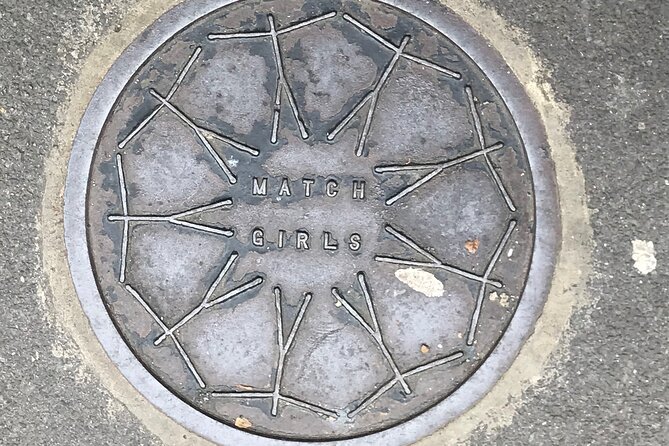
The guides are a major part of the experience. Becky receives repeated praise for her passion, humor, detailed research, and ability to answer questions. Emily is also praised for an engaging style and for presenting a great deal of information without making the group feel hurried.
That difference between information and overload is important. A two-and-a-half-hour history walk can become tiring if every stop brings another date and name. The comments about pacing suggest that the guides know when to explain, when to move, and when to let a place make its own impression.
I also like the evidence that the tour works for different audiences. It has suited London residents who grew up in the East End, first-time visitors, older participants, and people who normally do not choose women’s history tours. One person even took the walk alone and felt comfortable, which suggests the guides make an effort to welcome individual participants.
You do not need to be an expert in British history. You do need curiosity and a willingness to pay attention. The stories are likely to mean more if you enjoy social history, local politics, labor history, or the background behind familiar London districts.
Pace, comfort, and the practical side
The tour runs for approximately two hours and 30 minutes. The route is on foot, with several stops at sites connected with women’s history in the East End.
Comfortable footwear is the obvious advice. London weather can change quickly, and one person found the tour enjoyable even in light rain, but you should still bring suitable clothing. The tour is conducted in English and uses a mobile ticket.
A toilet break is included, along with a pleasant stop for tea or coffee in the middle of the walk. Food and drinks are not included in the price, so bring money if you want something during the break. Lunch is also your responsibility.
The maximum group size is 20 people. That is not a private tour, but it is small enough to feel more personal than a large crowd following a flag. Some departures may be much smaller. One walk had only one participant, who was made to feel comfortable.
Most people can take part, and the tour is near public transportation at both ends. The route starts at Tower Hill and finishes at Spitalfields Market, where you can continue by public transport or stop for food.
Is $55.50 a fair price?
At $55.50 per person, this is not the cheapest way to spend two and a half hours in London. You can walk through the East End for free, and many historic streets cost nothing to visit.
The value comes from the research and interpretation. You are paying for a guide who can connect places with women’s work, labor politics, social class, wash houses, and the darker events associated with the district. Without that context, you would see the streets but miss much of the meaning.
The price also includes the guide, professional guiding, and all fees and taxes. It does not include food or drinks. If you use the end point to have lunch or browse Spitalfields Market, plan for that extra spending.
For someone who wants only major landmarks, the cost may feel high. For you, if the usual London highlights leave out too much of the city’s working population, the focused subject makes the price easier to justify.
The 100 percent recommendation rate and five-star score from 85 ratings point to strong satisfaction, especially with the guides and the quality of the stories. Ratings are never a substitute for matching a tour to your interests, but here the praise is remarkably consistent.
Who should book this walk?
I would recommend it to anyone who wants more than royal history and famous buildings. It suits people interested in women’s history, working-class life, labor movements, social reform, and the changing East End.
It is also a good choice if you have already visited London’s main sights and want a neighborhood walk with a clear theme. Local residents may find it rewarding too, especially if they think they already know the East End.
You do not need to be a woman to enjoy it. The subject is London history, and the tour shows how much is lost when women appear only as side characters or victims.
You may want to choose another experience if you are looking for a fast-paced sightseeing tour, extensive indoor access, or a walk devoted only to Jack the Ripper. This tour is slower, more thoughtful, and more concerned with work and social change than with collecting landmarks.
The tour requires a minimum number of participants. If that minimum is not reached, the operator offers another date or experience, or a full refund. You can cancel for a full refund up to 24 hours before the start time. Changes or cancellations inside that window are not accepted.
My verdict on the Working Women of the East End Walking Tour
Book this tour if you want London history told from the pavement up, through women’s work, local politics, hardship, and persistence.
I especially like the combination of strong guides, a manageable 150-minute length, and a useful route from Tower Hill to Spitalfields Market. Becky and Emily appear to give the walk its real energy, turning forgotten stories into clear, human accounts.
The best reason to go is simple: you will leave with a fuller idea of who made London work. You may also leave with a list of women, places, and subjects to research later. That is a good result for any walking tour.
FAQ
Where does the Working Women of the East End Walking Tour start?
The tour starts at Tower Hill, London EC3N 4DJ, UK.
Where does the walking tour finish?
It finishes at Spitalfields Market, 65 Brushfield Street, London E1 6AA, UK. Local transport links and food and drink options are available nearby.
How long does the tour last?
The tour lasts approximately two hours and 30 minutes.
Is Jack the Ripper included?
Yes. The tour includes information about the horrific events caused by Jack the Ripper, alongside its wider focus on the women and working history of the East End.
Is food included in the ticket price?
No. Lunch, food, and drinks are not included. A toilet break and a tea or coffee stop are included during the walk, but you pay for any refreshments yourself.
How many people can join the tour?
The maximum group size is 20 people. The experience also requires a minimum number of participants to operate.
Just added in London
- Private Transfer From London to Southampton Cruise Terminal★ 4.0 · 2 reviews
- Layover Tour of London from LHR Executive Luxurious Vehicle Private Tour 6 hour★ 4.5 · 9 reviews
- Pub & History Tour London (History & Beers)★ 5.0 · 3 reviews
- eSIM for UK (34 EU countries) | 3 to 30 days. Up to 40GB of data★ 4.0 · 18 reviews
- Young Victoria’s London: Windsor Castle & Kensington Palace★ 5.0 · 1 review
- Zombie Scavengers Game – Southend-on-Sea, UK★ 4.5 · 2 reviews
- Women of Whitechapel 2 hour Walking Tour★ 5.0 · 15 reviews
- Crash course in archaeology at the British Museum★ 5.0 · 96 reviews
Walking Tours, compared.

Oxford University Walking Tour With University Alumni Guide
Read our review →
Tour for Muggles The Ultimate Harry Potter Walking Tour in London
Read our review →
Cambridge University Walking Tour by Alumni™ Kings College Option
Read our review →
Blackbeard to Banksy – The Ultimate Walking Tour of Bristol
Read our review →
Air Raid Shelter + St. Nicholas Market Walking Tour
Read our review →
Walking Tour of Bath with Blue Badge Tourist Guide
Read our review →
Changing of the Guard Guided Walking Tour in London
Read our review →Browse the lists this tour appears in