
Reviewed · BRITISH MUSEUM TOURS
British Museum Private Tour: Ancient Daemons and Timeless Beauty
Ancient wonders need a guide. This private British Museum tour turns an enormous collection into a clear, lively story, with an art specialist leading your group through famous objects and lesser-known connections. I like the personal format and the chance to focus on what interests you most. I also like that guides such as Richard and Yuliya have been praised for making difficult subjects easy to follow.
The main consideration is time. The museum holds more than 8 million artifacts, but this tour lasts about two hours, or up to three hours depending on the arrangement. You will see important highlights, not the whole museum, and the advertised group size needs checking because the details describe groups of up to six in one place and up to eight in another.
In This Review
- Key points to know before you book
- Why a private British Museum tour can make sense
- Meeting the guide at Montague Place
- Beneath Norman Foster’s glass canopy
- The Rosetta Stone and the power of translation
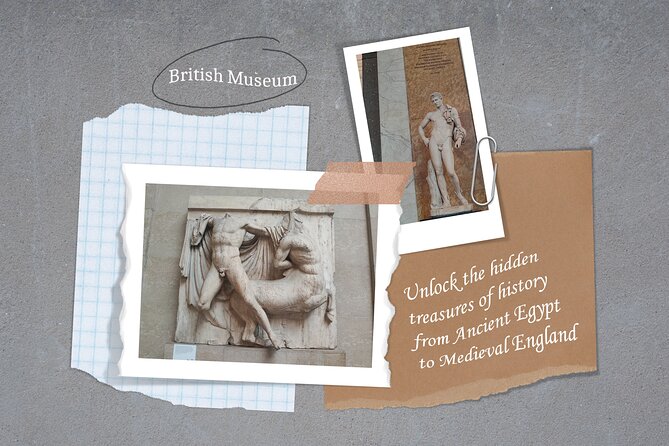
- The Parthenon Marbles and the difficult side of museums
- Egyptian mummies and the meeting of beauty and death
- Sutton Hoo and the last voyage of a warrior
- The Lewis chessmen and stories of strategy
- Shiva Nataraja and the cosmic dance
- Ancient sculptures and changing ideas of beauty
- What the guide adds to the experience
- Price, group size, and overall value
- Who should book this museum visit?
- Final call: a smart first route through a huge museum
- FAQ
- How much does the private British Museum tour cost?
- How long does the experience last?
- Is admission to the British Museum included?
- Where does the tour start?
- Where does the tour finish?
- What language is the tour offered in?
- Is this a private activity?
- Can I cancel for a full refund?
Key points to know before you book
- A private visit for your own group: The activity is private, so you are not folded into a large mixed party.
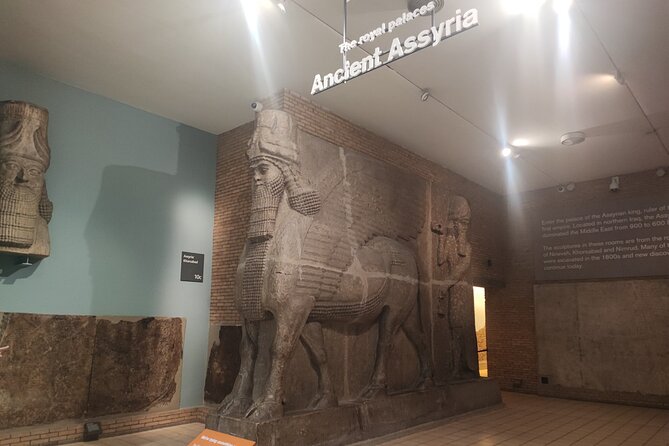
- A guide-led route through famous objects: Expect the Rosetta Stone, Parthenon Marbles, Egyptian mummies, Sutton Hoo, Lewis chessmen, and Shiva Nataraja.
- A theme that links the collection: Ancient daemons, beauty, power, death, strategy, and creation give the visit a clear thread.
- Good for first-time visitors: Expert direction helps you avoid wandering through galleries without knowing where to start.
- Flexible storytelling: Richard and Yuliya have tailored the tour to group interests and answered questions along the way.
- A group-price calculation: At $203.65 per group, the value improves when several people share the cost, especially if you want a focused introduction.
Why a private British Museum tour can make sense
The British Museum is not a tidy collection that you can fully understand by walking from room to room. It covers civilizations, centuries, languages, religions, burial customs, warfare, art, and daily life. You can spend an hour admiring one object, then realize you have barely crossed the entrance hall.
That scale is the strongest reason to hire a guide. I like a museum visit that gives me a route and a reason for each stop. Instead of simply pointing at famous objects, this experience uses ideas such as beauty, death, power, strategy, and the supernatural to connect works from very different cultures.
The private setup matters too. You can ask why a carved figure looks the way it does, how an object was found, or what a symbol means without worrying about slowing down a large public group. The tour is offered in English, and the setting is described as friendly and professional.
You should still arrive with sensible expectations. This is not a private opening of the museum or an all-access look behind the scenes. It is a guided visit inside the British Museum, with fast-track entry listed as an inclusion and no separate museum admission charge listed.
More British Museum visits:
- British Museum London Guided Tour Semi-Private 8ppl Max
★ 5.0 · 984 reviews - The British Museum London – Exclusive Guided Museum Tour
★ 5.0 · 555 reviews - British Museum Guided Tour
★ 4.0 · 470 reviews
Meeting the guide at Montague Place
The tour begins at Montague Place, London. The meeting point is useful to know in advance because the British Museum has several entrances and the building can feel confusing when you first arrive.
The activity ends back at the meeting point. That makes the finish simple, but it also means you should not assume the guide will escort you to your next London sight. Plan your onward route separately.
Confirmation is provided at booking, and the tour is near public transportation. The information also says most people can participate, but it does not provide a detailed accessibility statement. If you have particular mobility or access needs, ask the provider before paying.
One small practical point comes from the experience itself: Yuliya was praised for being accommodating when a group arrived a little late. That is a kind touch, but I would not treat it as permission to arrive late. Museum tours run on time, and a missed meeting can quickly become an expensive problem.
Beneath Norman Foster’s glass canopy
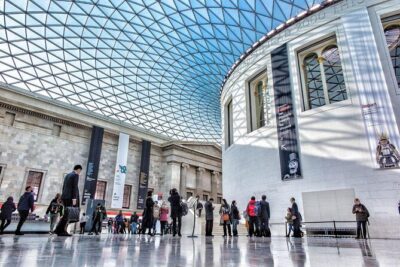
Your first impression is likely to be the Great Court, with its sweeping glass roof designed by Norman Foster. It gives the museum a bright central space and provides a useful pause between galleries.
The building can feel grand and slightly daunting. That is where the guide earns the fee. You do not need to spend your first half hour studying maps or debating which staircase leads to the Egyptian rooms. The route is planned around major objects and a story that moves across cultures.
The tour lasts about two hours according to the included details, while the wider timing is described as approximately two to three hours. That difference probably reflects the pace and the level of conversation. If your group asks many questions, the visit may run longer, as one group received an extra half hour at no added cost. Still, you should treat two hours as the core duration.
The Rosetta Stone and the power of translation
The Rosetta Stone is one of the museum’s essential stops. Its importance is not just visual. The stone carries the same decree in three scripts, which helped scholars make progress in reading ancient Egyptian hieroglyphs.
A guide can make this object meaningful rather than merely famous. You will hear why a slab of dark stone changed the study of an entire writing system and how language can preserve political power long after a ruler is gone.
This is a good early stop because it sets up one of the tour’s larger ideas: objects can be tools as well as works of art. The Rosetta Stone is not prized only for its appearance. It is valuable because it helped people recover a forgotten language.
More Museums in London:
- Tower of London and Crown Jewels Exhibition Ticket
★ 4.5 · 6,677 reviews - Chelsea FC Stadium Tours and Museum
★ 5.0 · 1,908 reviews - Official tickets: Moco Modern & Contemporary Art Museum
★ 4.5 · 1,157 reviews - The Postal Museum Admission Ticket
★ 4.5 · 347 reviews
The Parthenon Marbles and the difficult side of museums
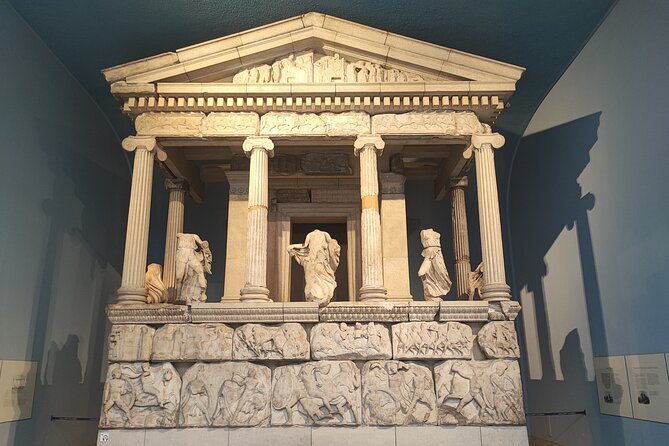
The Parthenon Marbles bring the glory of ancient Athens into the museum, but they also raise hard questions about ownership, removal, and cultural heritage. A good guide should help you look at both the sculptural skill and the arguments surrounding the collection.
I appreciate this kind of stop because it keeps a museum visit honest. You can admire the carved figures and the sense of movement while also recognizing that famous collections often have complicated journeys.
The supplied tour details promise a look at past empires, but they do not specify how much time the guide spends on the modern debate. If this issue matters to you, ask for more context during the booking process or at the start of the tour.
Egyptian mummies and the meeting of beauty and death
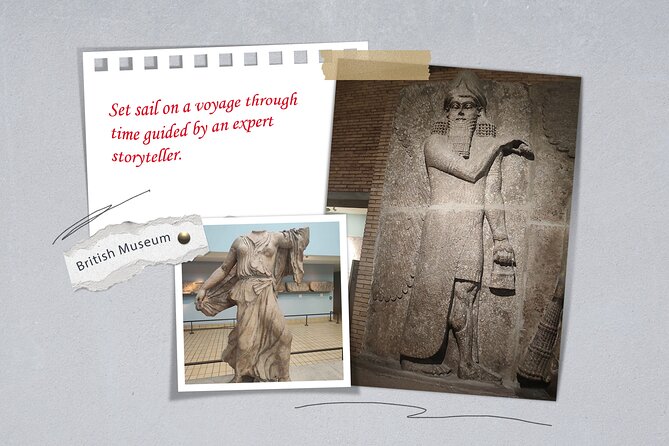
The Egyptian galleries offer a very different mood. Mummies rest in silence, surrounded by objects tied to burial and belief. The tour frames this section as a dance between life and death, which gives the display more meaning than a simple parade of cases.
You might find the Egyptian material especially effective if you like stories about ritual and the afterlife. The objects invite questions about how people prepared for death, what they believed would happen next, and how art could serve both religious and practical purposes.
This part can also be intense for younger children or anyone uncomfortable with human remains. The tour information does not promise a child-specific approach, so families should consider their own group before booking.
Sutton Hoo and the last voyage of a warrior
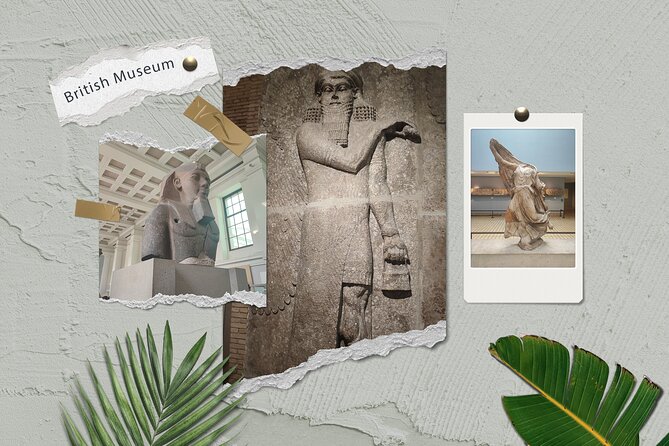
The Sutton Hoo display shifts the focus to Anglo-Saxon England. The central mystery concerns the last voyage of a warrior, with a ship burial and objects that hint at status, belief, and long-distance connections.
This stop is valuable because it counters the idea that British history begins with castles and medieval kings. Sutton Hoo shows a society with skilled metalwork, ceremony, and links to a wider world.
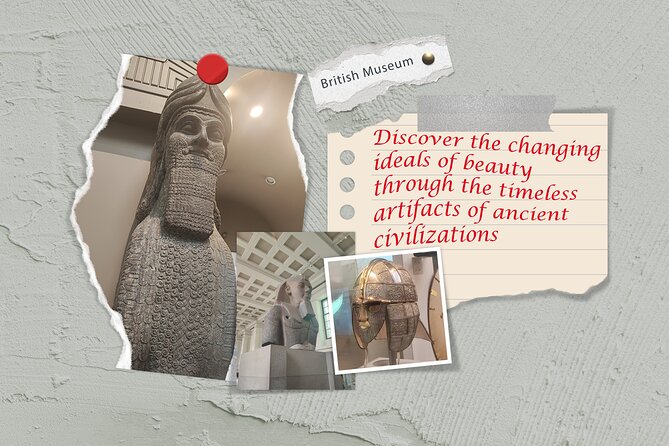
A guide can also help you read the objects as clues. A helmet, weapon, or ornament is not just decoration. It can tell you about rank, trade, conflict, and how a community remembered its dead. The information provided does not list every Sutton Hoo artifact you will see, so expect the guide to select key pieces rather than cover the entire display.
The Lewis chessmen and stories of strategy
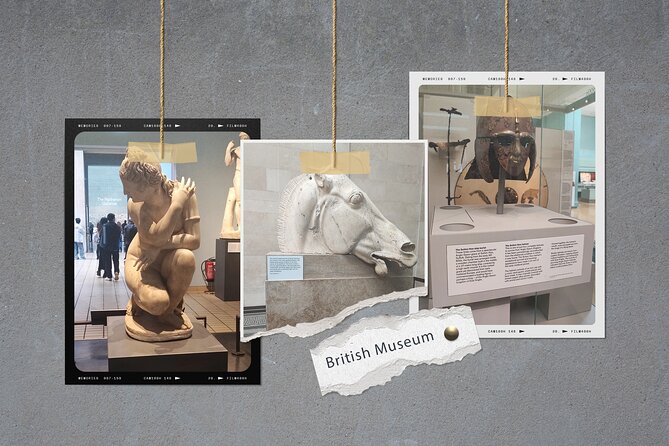
The Lewis chessmen are among the museum’s most approachable treasures. Their small carved faces make them easy to enjoy, but they also open a window onto medieval trade, leisure, craftsmanship, and strategic thinking.
The tour presents them through tales of wit and strategy. That angle should work well for families, since chess gives you an immediate way into the object. You do not need specialist art knowledge to understand why a set of game pieces can reveal how people spent time and how artists imagined warriors, rulers, and attendants.
I would ask the guide about the figures that look worried, stern, or distracted. Their expressions are part of the charm, and a short stop can become one of the most memorable parts of the visit.
Shiva Nataraja and the cosmic dance
Shiva Nataraja introduces a different visual language and a different view of creation and destruction. The dancing figure combines movement, balance, symbolism, and religious meaning in a single sculpture.
This is where the tour’s cross-cultural design pays off. You move from Egyptian ideas about death to Anglo-Saxon burial, medieval games, and Hindu ideas about cosmic change. The objects are not presented as isolated trophies. They become ways for you to compare how societies explain the world.
The details supplied do not identify the exact gallery or sculpture size, so I would not plan your visit around a particular display position. Ask the guide to explain the symbols as you look at the work. That personal exchange is more useful than trying to memorize every term.
Ancient sculptures and changing ideas of beauty
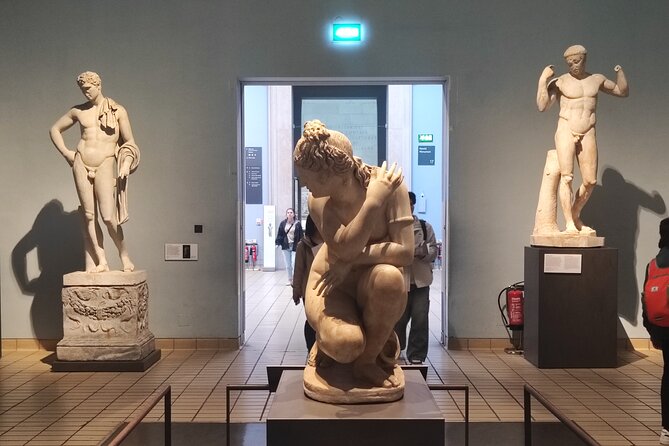
The tour also explores how beauty standards change over time. Ancient sculpture is a fine place to make that point because body shape, pose, clothing, hairstyle, and facial expression can all carry social meaning.
You may be encouraged to compare sculptures from different civilizations rather than judge them by modern taste. One culture may value ideal proportions, another may emphasize power, youth, status, or divine qualities.
This is also one of the places where an art specialist storyteller can help. You do not need to know every period or style. You need someone who can point out what to look at and explain why a small detail matters.
What the guide adds to the experience
The strongest praise for this tour centers on the guides. Richard has been appreciated for answering questions, shaping the visit around a family’s interests, and adding extra time when possible. Yuliya, also identified as Yulywa Ousarenko in one account, has been praised for detailed explanations, kindness, and a cheerful manner.
Those details matter because museum guiding is not only about facts. A guide needs to judge when to keep moving, when to stop, and when a question deserves a longer answer. A private group gives the guide room to adjust the pace.
You should tell the guide what you care about at the beginning. Families may want more stories and fewer technical details. Art students may prefer sculpture and symbolism. First-time visitors may want the famous objects, while repeat visitors may ask for less familiar material.
The route remains subject to the museum’s layout and the time available. You should not expect every culture or gallery to receive equal attention. The value comes from a strong selection, not from trying to see everything.
Price, group size, and overall value
The listed cost is $203.65 per group, with the group size described as up to eight in the main details. The highlights refer to up to six guests, so confirm the permitted number before booking.
For one or two people, that price is a serious expense. For a family or small group, the per-person cost becomes easier to justify. At six people, it works out to about $34 per person. At eight, it is about $25.46 each, assuming eight are accepted under your booking.
The British Museum itself has free admission, so you are paying for the private guide, planning, route, storytelling, and listed fast-track entry. That distinction is important. If you enjoy wandering alone and already know what you want to see, you may not need this service.
If you have limited time in London, the calculation changes. Losing an hour to wrong turns or standing in front of displays without context has a cost too. I see the best value here for a group that wants a strong first visit and does not want to manage the museum alone.
Food and drinks are not included. Bring your own plan for snacks before or after the tour, and do not expect a meal break to be part of the experience.
Who should book this museum visit?
I would recommend it most strongly to first-time British Museum visitors, families, and small groups with mixed interests. The guide gives you a route, explains major objects in plain language, and can respond to questions without a large audience waiting.
It also suits anyone who feels overwhelmed by enormous museums. You will leave with a basic map of the collection in your head, even if you have only seen a small fraction of it.
Art lovers may appreciate the focus on beauty and symbolism. History fans will find plenty in the Rosetta Stone, empires, Sutton Hoo, and burial displays. Children may enjoy the Lewis chessmen and stories of mummies, though the suitability depends on the child.
I would be less inclined to book it if you have already spent several days at the museum, prefer a slow self-guided visit, or want a specialist tour devoted to one civilization. The theme crosses many cultures, which is a strength for a first overview but may feel broad to an expert.
Final call: a smart first route through a huge museum
This is a good choice when you want the British Museum to feel manageable rather than endless. The private format, flexible guiding, and praised work of Richard and Yuliya are the main reasons to consider it.
Book it if your group values explanation, wants the major highlights, and can share the $203.65 cost. Skip it if you are happy to wander through a free museum at your own pace. Before paying, confirm the maximum group size and expected duration, then tell the guide which galleries matter most to you.
FAQ
How much does the private British Museum tour cost?
The listed price is $203.65 per group. The main tour details describe a group of up to eight people, while the highlights describe up to six, so confirm the group limit before booking.
How long does the experience last?
The tour lasts about two hours according to the included details. The overall duration is described as approximately two to three hours.
Is admission to the British Museum included?
The tour includes guided museum access and lists fast-track entry. The information also states that the admission ticket is free.
Where does the tour start?
The meeting point is Montague Place, London, United Kingdom.
Where does the tour finish?
The activity ends back at the meeting point.
What language is the tour offered in?
The tour is offered in English.
Is this a private activity?
Yes. Only your own group participates in the activity.
Can I cancel for a full refund?
Yes, if you cancel at least 24 hours before the experience start time. Cancellations made less than 24 hours in advance are not refunded, and changes made within that period are not accepted.
Just added in London
- Private Tour: Royal High Tea At Kensington Palace Gardens★ 5.0 · 39 reviews
- Private Tour: Personal Travel Photographer Tour in London★ 4.5 · 27 reviews
- London East End Private Walking Food Tour – Secret Food Tours★ 5.0 · 26 reviews
- Private Tour: Night Photography Tour in London★ 5.0 · 48 reviews
- London Like a Local, Private & Personalized (2-3 hrs)★ 4.5 · 11 reviews
- British Museum & National Gallery of London – Exclusive Guided Combo Tour★ 5.0 · 48 reviews
- Private Tour: Tower of London and St Paul’s Cathedral★ 5.0 · 1 review
- London Soho District – Exclusive Guided Walking Tour★ 5.0 · 2 reviews
British Museum Tours, compared.
British Museum London Guided Tour Semi-Private 8ppl Max
Read our review →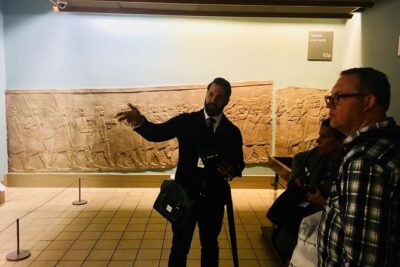
The British Museum London – Exclusive Guided Museum Tour
Read our review →
Private Guided Tour of the British Museum – Tickets Included
Read our review →
British Museum Guided Tour with Priority Timeslots(Small Group)
Read our review →
British Museum & National Gallery of London Semi-Private 8ppl Max
Read our review →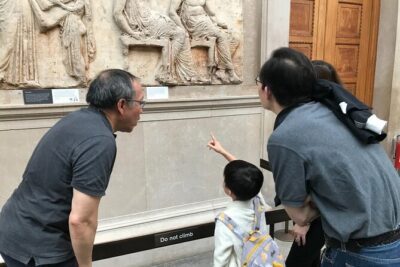
Explore Biblical Artifacts at the British Museum
Read our review →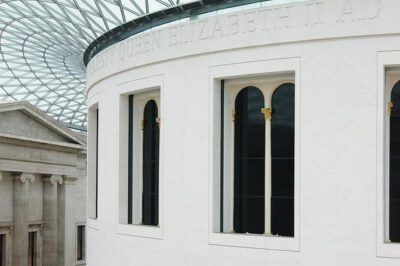
British Museum Highlights Private Tour in London including the Rosetta Stone
Read our review →Browse the lists this tour appears in