
Reviewed · MUSEUMS
Museum of Brands Entrance Ticket
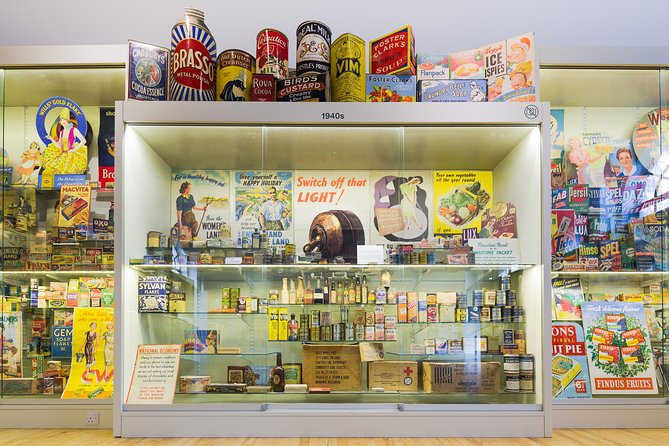
Memory is hiding in the shopping aisle. The Museum of Brands turns everyday packaging, adverts, and household names into a lively trip from the Victorian era to today. I especially like the 12,000-plus objects and the freedom to move at your own pace. The only catch is that the visit is best for people who enjoy looking closely, since this is a self-guided museum rather than a guided tour.
I also like the family-friendly, accessible setup, with service animals allowed and public transportation nearby. At about $19.41 per person, it is a fair London price for an indoor visit lasting roughly one to two hours, though the value depends on how much time you give the displays.
In This Review
- Key points at a glance
- What makes the Museum of Brands different
- Entering a collection that spans the Victorian era to today
- Why the packaging tells a bigger story
- A self-guided visit lasting one to two hours
- The memory-lane factor
- Who will enjoy this London museum most
- Is $19.41 good value?
- Opening hours and practical planning
- How I would plan the visit
- Should you book the Museum of Brands ticket?
- FAQ
- How long does the Museum of Brands visit last?
- What does the ticket include?
- Are food and drinks included?
- Is the Museum of Brands self-guided?
- What are the opening hours in 2026?
- Is the museum accessible?
- Can I cancel for a refund?
Key points at a glance
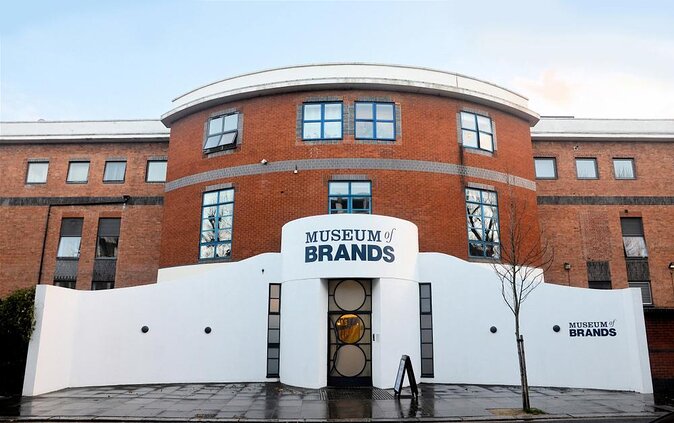
- More than 12,000 objects: Follow packaging, advertising, and popular products from the Victorian era to the present.
- A strong memory-lane appeal: Familiar brands and old-fashioned designs give the museum a personal, nostalgic feel.
- Self-guided freedom: You can spend as little or as much time as you like inside, with the typical visit lasting about one hour.
- Good for mixed-age groups: The museum is suitable for all ages and has accessible facilities.
- Simple city-day addition: It is near public transportation and works well when London weather turns wet.
- Flexible booking terms: You can cancel for a full refund up to 24 hours before the scheduled start time.
What makes the Museum of Brands different
London has museums devoted to art, war, transport, and famous people. This one takes a more familiar route: it asks you to look again at the things people buy, unwrap, collect, and throw away.
The collection covers more than 12,000 items, stretching from the Victorian era to the present day. That time span matters. Instead of examining one product in isolation, you can see how packaging and advertising change as tastes, technology, families, and daily life change.
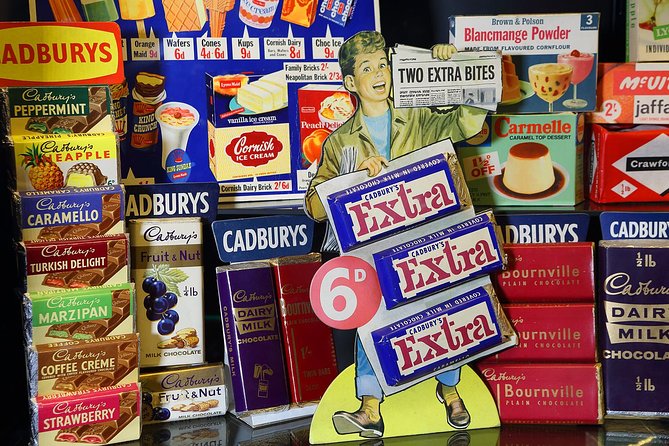
A box, tin, label, or poster may seem ordinary at first glance. Put it beside an older version, and it becomes a small record of its time. Colors, lettering, pictures, slogans, and materials all reveal what companies wanted people to notice.
That makes the museum more than a display of old shopping goods. It is also a look at how popular culture reaches into the home. You may recognize products from childhood, spot packaging your parents once used, or find objects that seem completely unfamiliar.
The strongest appeal is personal recognition. A major art museum asks you to understand an artist or period. This museum may instead make you smile because you remember a particular wrapper, container, or advert from everyday life.
More Museums in London:
- Tower of London and Crown Jewels Exhibition Ticket
★ 4.5 · 6,677 reviews - Chelsea FC Stadium Tours and Museum
★ 5.0 · 1,908 reviews - Official tickets: Moco Modern & Contemporary Art Museum
★ 4.5 · 1,157 reviews
Entering a collection that spans the Victorian era to today
Your visit begins with admission to the Museum of Brands, Packaging and Advertising. There is no scheduled guide or fixed group route, so you can enter and set your own rhythm.
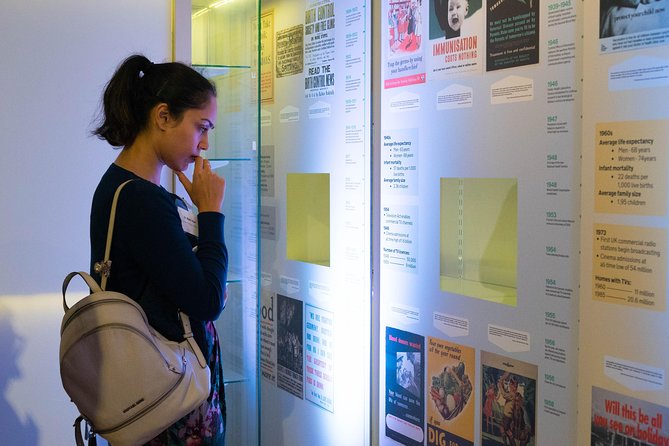
The collection is arranged around the passage of time, allowing you to see products and promotional material from different periods. The supplied information does not give a room-by-room map or a full list of objects, so you should expect a broad historical display rather than a tightly scripted tour.
That open format is useful in two ways. First, you can focus on what interests you. If old packaging catches your eye, slow down. If a section feels less familiar, move along without feeling that you are missing a guide’s next explanation.
Second, you can adjust the visit to your day. A quick one-hour stop is realistic, especially if you are fitting the museum between other London plans. If you enjoy reading labels and comparing designs, allow closer to two hours.
I would not rush through this place in 20 minutes. The objects are small, and the pleasure comes from noticing details. The museum rewards patient looking more than fast sightseeing.
Why the packaging tells a bigger story
Packaging is not just a container. It tells you how a company wanted its product to appear, who it hoped would buy it, and what visual ideas were popular at the time.
Older items can show changes in printing, materials, and design. Later products reveal the growing importance of brand identity and mass advertising. Even without specialist knowledge, you can follow the broad pattern: products compete for attention, and their appearance changes as the public changes.
This is where the museum has a useful advantage over a standard shopping display. You are not seeing only current products lined up on a shelf. You are seeing several generations together, which lets you compare them directly.
You may find yourself studying a label for its colors rather than its contents. You may notice how a familiar name has changed its look. You may also see how certain products became part of home life and popular memory.
The experience does not require you to know advertising history in advance. The objects provide the starting point, and your own memories do much of the work.
A self-guided visit lasting one to two hours
The advertised visit length is about one to two hours, with the itinerary allocating one hour for the museum entry. Think of one hour as a useful first pass, not a strict limit.
For a short visit, I would move steadily through the displays and stop whenever an object sparks recognition. This suits a packed London schedule and gives you a clear taste of the collection without turning the museum into an all-day commitment.
For a longer visit, take time with the visual details. Read the accompanying information where available, compare older and newer designs, and let yourself follow personal interests rather than trying to see every item equally.
The self-guided format is a good match for families and mixed groups. One person can stop at a favorite display while another continues ahead. You are not tied to a guide’s pace or to a fixed departure time.
The tradeoff is that there is no guide providing extra stories or answering questions as you go. If you prefer a narrated tour with a clear explanation at every stop, this may feel quiet. If you prefer independence, the freedom is part of the attraction.
A maximum group size of 10 is listed for the activity. Since the museum visit itself is self-guided, this figure should not be read as a promise of a private guided tour. It does suggest a small-scale booking arrangement rather than a large coach excursion.
A few more to weigh up in London
- Stonehenge, Windsor Castle, and Bath from London
★ 4.5 · 18,662 reviews - London Big Bus Hop-On Hop-Off Tour with Optional River Cruise
★ 3.5 · 10,803 reviews - London Small Group Tour of Historical Pubs
★ 5.0 · 10,422 reviews - Stonehenge, Windsor Castle and Bath with Pub Lunch in Lacock
★ 4.5 · 7,402 reviews
The memory-lane factor
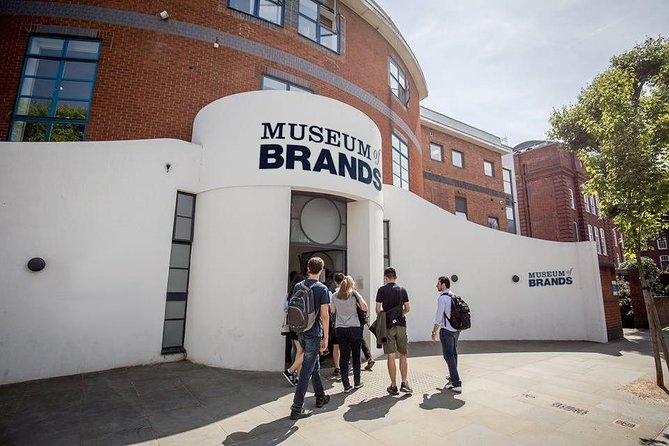
The most praised quality of this experience is its ability to bring back memories. The collection can take you from old household goods to more recent brand designs, creating a visual chain between generations.
That makes the museum especially appealing if you enjoy connections between history and daily life. You do not need to be a collector. In fact, the objects may work best when you recognize only some of them and discover the rest along the way.
This is also a good stop for adults who want something lighter than a major national museum. The subject is familiar, the visit is manageable, and the displays can prompt conversation. Parents and children may notice different things, which gives the outing a shared focus without requiring everyone to have the same interests.
The nostalgia has a limit, though. If you have no interest in brands, advertising, design, or consumer culture, the museum may feel less compelling than London’s larger headline attractions. It is not a place to visit simply because it is famous. Its appeal depends on curiosity.
Who will enjoy this London museum most
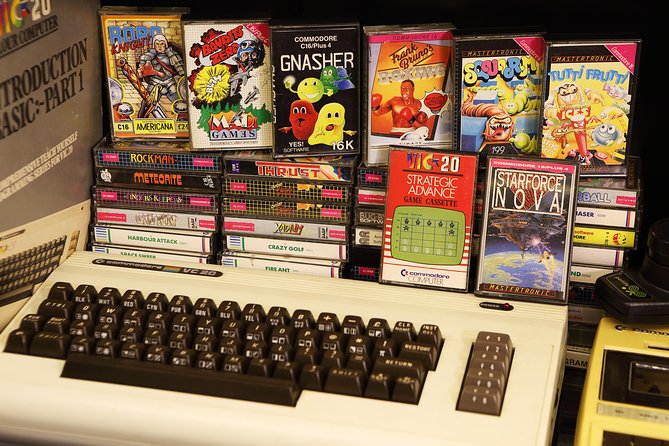
I would recommend the Museum of Brands to you if you like design, social history, advertising, or the small details of ordinary life. It is also a good choice when you want an indoor attraction that does not demand half a day.
Families can benefit from the flexible format. You can move at different speeds, and the subject matter gives younger visitors recognizable objects alongside older pieces they may never have seen before.
It also suits repeat visitors to London. If you have already visited the major museums, this offers a different way to think about the city and its culture. It is less about famous masterpieces and more about what people encountered in shops and homes.
The museum may be less suitable if you want an interactive attraction, a live demonstration, or a formal guide. The supplied details promise exhibits and self-guided admission, not performances or hands-on activities.
Is $19.41 good value?

At roughly $19.41 per person, the ticket is not the cheapest short attraction in London. Still, the price is reasonable if you spend 90 minutes to two hours examining the collection rather than making a very quick pass.
The value comes from the scale of the collection. More than 12,000 items provide plenty to see, even though you will not study every object during one visit. You are paying for access to a broad collection and the ability to choose your own focus.
There is no food or drink included, but that is not a serious weakness for a one-hour to two-hour museum stop. Plan to eat elsewhere before or after your visit rather than expecting this ticket to cover refreshments.
The best value comes when you use the museum as one part of a London day. It can fill a gap between larger activities, offer shelter in poor weather, and provide a change of pace from crowded landmark visits.
The rating of 4.8 from 230 reviews, along with a 97 percent recommendation rate, points to consistently strong satisfaction. The most useful takeaway is not just the high score. It is the reason behind the praise: people respond to the unusual subject and the way it brings back personal memories.
Opening hours and practical planning
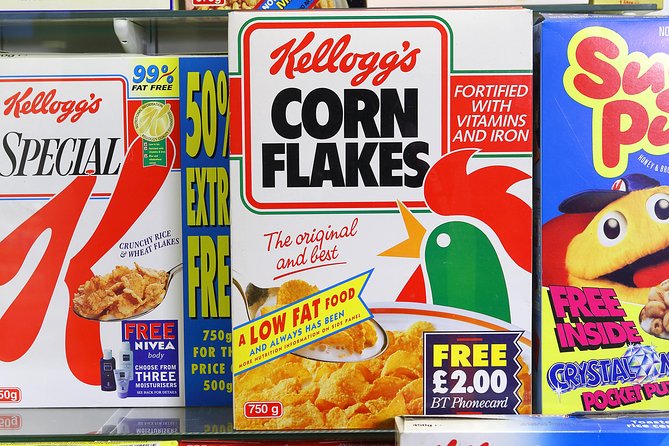
The listed opening hours for 2026 are Monday through Friday, 10:00 a.m. to 5:00 p.m. That schedule requires attention if you are planning a weekend visit or an evening outing. The supplied details do not list Saturday or Sunday hours, so check the operating schedule before you commit to a weekend plan.
The mobile ticket makes entry simple, since you can keep the confirmation on your phone. Confirmation is received at the time of booking.
The museum is near public transportation, but no specific station or route is provided here. Use a current journey planner on the day and allow enough time to reach the entrance, especially if you have timed plans elsewhere.
Accessible facilities are available, and most people can participate. Service animals are allowed. These details make the museum a practical option for a broad range of visitors, though anyone with specific access needs should confirm the exact facilities before booking.
Free cancellation is available up to 24 hours before the experience start time for a full refund. If you cancel or request changes less than 24 hours ahead, the payment is not refunded and changes are not accepted. The cut-off uses local time.
How I would plan the visit
I would book this for a weekday morning or early afternoon, when the listed opening hours give you the most flexibility. A start earlier in the day also leaves room to stay longer if a particular section catches your attention.
Before entering, decide whether you want a quick look or a slower visit. If you have only one hour, concentrate on the periods and objects that mean something to you. If you have two hours, give yourself permission to read and compare rather than simply walking past the displays.
Bring a charged phone for the mobile ticket. Since food and drinks are not included, plan a separate café or meal stop. The museum itself should be treated as a focused cultural visit, not a full-day attraction with catering.
I would also avoid pairing it with too many other small museums on the same day. The collection may look easy to skim, but familiar objects can hold your attention longer than expected. Leave a little breathing room in your schedule.
Should you book the Museum of Brands ticket?
Book it if you want an unusual London museum with a personal angle. The combination of 12,000-plus objects, flexible self-guided admission, and a strong memory-lane quality gives you a worthwhile one to two-hour visit.
It is a particularly good choice for families, design fans, advertising enthusiasts, repeat London visitors, and anyone who wants an indoor attraction that feels different from the usual major museums.
Skip it if you need a guided tour, live activity, or a very low-cost attraction. The ticket earns its price when you take time to look closely. For the right visitor, that is exactly the point: ordinary brands become small pieces of personal and social history.
FAQ
How long does the Museum of Brands visit last?
The visit takes approximately one to two hours. The listed itinerary allows one hour, but you can spend as long as you like inside during opening hours.
What does the ticket include?
The ticket includes admission to the Museum of Brands, Packaging and Advertising.
Are food and drinks included?
No. Food and drinks are not included with the admission ticket.
Is the Museum of Brands self-guided?
Yes. The visit is self-guided, so you can choose your own pace and decide how long to spend inside.
What are the opening hours in 2026?
The listed hours are Monday through Friday, from 10:00 a.m. to 5:00 p.m. The provided information does not list weekend hours.
Is the museum accessible?
The museum has accessible facilities, and most people can participate. Service animals are allowed.
Can I cancel for a refund?
Yes. You can cancel at least 24 hours before the experience start time for a full refund. Cancellations or changes made less than 24 hours before the start time are not accepted for a refund.
Just added in London
- Private Tour: Royal High Tea At Kensington Palace Gardens★ 5.0 · 39 reviews
- Private Tour: Personal Travel Photographer Tour in London★ 4.5 · 27 reviews
- London East End Private Walking Food Tour – Secret Food Tours★ 5.0 · 26 reviews
- Private Tour: Night Photography Tour in London★ 5.0 · 48 reviews
- London Like a Local, Private & Personalized (2-3 hrs)★ 4.5 · 11 reviews
- British Museum & National Gallery of London – Exclusive Guided Combo Tour★ 5.0 · 48 reviews
- Private Tour: Tower of London and St Paul’s Cathedral★ 5.0 · 1 review
- London Soho District – Exclusive Guided Walking Tour★ 5.0 · 2 reviews
Museums, compared.

Tower of London and Crown Jewels Exhibition Ticket
Read our review →

Official tickets: Moco Modern & Contemporary Art Museum
Read our review →
British Museum London Guided Tour Semi-Private 8ppl Max
Read our review →
The British Museum London – Exclusive Guided Museum Tour
Read our review →

Skip the Line: Liverpool Beatles Museum – The perfect tribute to the Beatles
Read our review →Browse the lists this tour appears in