
Reviewed · JACK THE RIPPER TOURS
Jack the Ripper – What About the Women?
Women deserve more than a footnote. This thoughtful East London walk shifts attention from the killer’s legend to the lives of Martha Tabram, Polly Nichols, Annie Chapman, Mary Jane Kelly, Elizabeth Stride, and Catherine Eddowes. I like the victim-focused approach and the way the tour connects Victorian poverty, migration, addiction, housing, and women’s limited choices. I also like the small-group limit of 20, which helps the guide speak clearly and answer questions.
The main consideration is the subject matter. This is still a tour about murder, poverty, and hard lives, even though it avoids gruesome images and lurid detail. You’ll walk for about two hours after dark, with several stops and some sitting points, so good shoes and warm layers will make the evening easier.
In This Review
- Key points about Jack the Ripper: What About the Women?
- Why this Whitechapel tour feels different
- Starting outside Aldgate station
- Brick Lane, Polly Nichols, and changing East London
- Truman Brewery and Annie Chapman’s final address
- Spitalfields Market and Mary Jane Kelly
- Petticoat Lane and the East End textile trade
- St Botolph’s Church and the final Mitre Square stories
- What the two-hour format is really like
- Is $34.28 a fair price?
- Who should book this experience?
- Should you book Jack the Ripper: What About the Women?
- FAQ
- How long is the tour?
- Where does the tour begin?
- What time does the tour start?
- Where does the tour end?
- Is the tour offered in English?
- How many people can join the tour?
- Can children take part?
Key points about Jack the Ripper: What About the Women?
- A different Whitechapel story: The focus stays on the women and the society around them, not on turning the murderer into a celebrity.
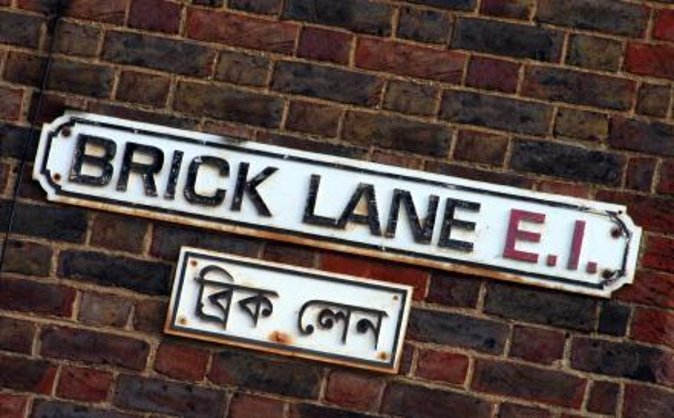
- Six important East End locations: The route includes Whitechapel Road, Brick Lane, Spitalfields, Petticoat Lane, St Botolph’s Church, and Mitre Square.
- Strong Victorian context: You’ll hear about dosshouses, workhouses, spikes, alcoholism, addiction, immigration, and working-class life.
- An evening walking tour: The 6:30 pm start lets you see East London after dark, when the subject and setting take on a more serious tone.
- Small group format: The maximum group size is 20 people, with guides such as Cecily and Ellie leading the walk.
- Good for older children: The tour avoids grisly pictures and graphic murder descriptions, though the serious subject still calls for mature young people.
Why this Whitechapel tour feels different
Many Jack the Ripper walks make the unknown killer the main character. This one works in the opposite direction. You spend your time learning who these women were, how they lived, and why the streets of Victorian Whitechapel could be so dangerous for people with little money or support.
That shift matters. Martha Tabram, Polly Nichols, Annie Chapman, Mary Jane Kelly, Elizabeth Stride, and Catherine Eddowes are not treated as names attached to crime scenes. Their lives form the center of the evening, while the murders become part of a larger story about class, gender, housing, public health, and police attitudes.
The tone is factual and respectful. The tour does not use grisly photographs, and it does not spend the evening guessing about the killer’s identity. If you want gruesome detail and theatrical suspense, this may feel restrained. If you want social history with a true-crime setting, it offers much more value than a simple crime chronology.
The published score is 5 out of 5 from 39 ratings, with 100 percent recommending the experience. The strongest praise centers on the guides’ clear delivery, warmth, and care with the subject. Cecily is singled out for her friendly manner, strong speaking voice, and ability to make the history accessible, including for a participant who was hard of hearing. Ellie is praised for her grasp of both the women’s lives and the East End itself.
More Jack the Ripper walks:
- London Jack the Ripper Guided Tour with Ripper-Vision
★ 4.5 · 4,840 reviews - London Jack The Ripper Guided Walking Tour
★ 5.0 · 3,131 reviews - Ultimate Jack the Ripper : Guided Tour of London
★ 5.0 · 1,495 reviews
Starting outside Aldgate station
The meeting point is on Aldgate High Street, outside Aldgate station, at 6:30 pm. That is a useful place to begin because it is easy to locate by public transport, and you do not have to hunt for a tucked-away alley or pub entrance.
The first section takes place along Whitechapel Road and lasts about 20 minutes. Here, you begin with Martha Tabram and Polly Nichols while the guide explains what daily life could mean for working-class residents in the Victorian East End.
The useful detail is the focus on accommodation. You’ll hear about dosshouses, workhouses, spikes, and other forms of shelter used by people living with poverty. These were not just background scenery. Housing conditions shaped where women could sleep, how they found work, and how exposed they were to violence and exploitation.
The guide also points out charities still working in the area today. That link between Victorian hardship and modern support work gives the walk a present-day purpose. You are not looking at a frozen museum district. The East End remains a place where social needs and community action matter.
This opening stop sets the right tone, but it is also emotionally heavy. You will hear about poverty and insecurity before the tour reaches the murder locations. That is a strength if you want context, but it may feel slower than a conventional crime walk.
Brick Lane, Polly Nichols, and changing East London
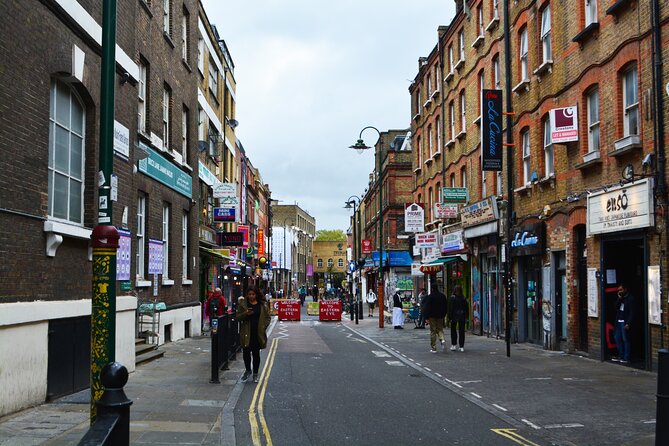
The route continues to Brick Lane, one of the best-known streets in this part of London. The walk stops at the site of the pub where Polly Nichols spent her final night, then uses her story to discuss alcoholism and addiction in the Victorian era.
This is an important correction to the way many women from the period are described. Addiction is not presented as a simple moral failure. Instead, it forms part of a wider account of difficult lives, unstable work, and limited choices. You get a clearer sense of the pressures surrounding Polly rather than a neat label attached to her.
The tour then pauses at Brick Lane Mosque to explain immigration into the East End and the area’s cultural diversity. This helps you see Brick Lane across more than one period. The street is not only connected to Victorian crime stories. It also reflects the movement of people, faiths, languages, and communities into East London.
Because Brick Lane is a living street rather than a preserved historical site, the atmosphere may change from one moment to the next. You might find modern shops, food spots, street art, and older buildings sharing the same short stretch. The guide helps you read those layers instead of treating the area as a stage set for 1888.
Truman Brewery and Annie Chapman’s final address
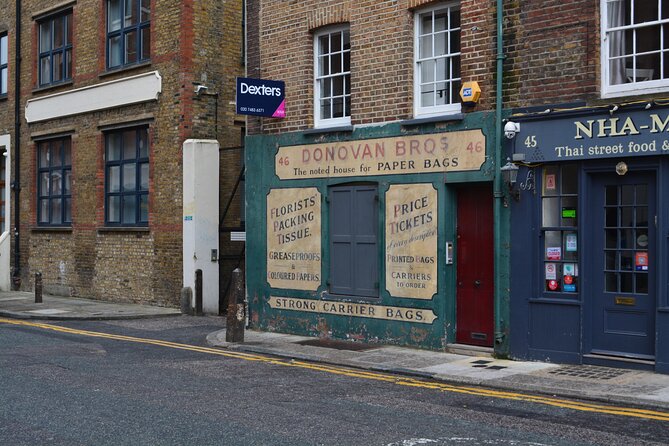
At Spitalfields Market and the old Truman Brewery, the tour introduces one of the East End’s major industrial sites. Truman Brewery was once the largest brewery in the world, a striking reminder that Victorian London held great wealth and severe poverty side by side.
Nearby, at 29 Hanbury Street, you hear about Annie Chapman, who was found there on the morning of September 8. The stop combines a precise location with the story of her life, including the heartbreak she endured.
That approach keeps the place from becoming a mere crime landmark. You are asked to think about Annie as a person who had a life before the murder, not simply as a body discovered at a famous address.
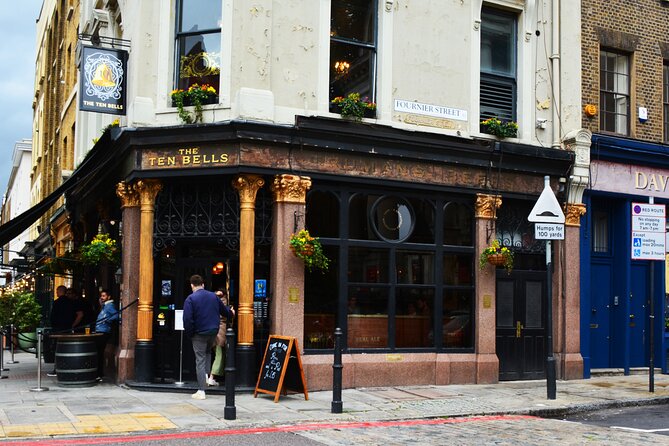
Around the corner, the Ten Bells Pub brings in the way public memory can distort the past. The pub was once renamed the Jack the Ripper pub, turning the killer’s name into a selling point. The guide explains how the Reclaim the Night movement helped force the name back to the Ten Bells.
That detail gives the tour a modern feminist edge. It also shows that history is not only about what happened in the nineteenth century. It is about which names businesses use, whose stories receive attention, and how local people challenge exploitative versions of the past.
The stop is short, around 10 minutes, so do not expect a long pub visit. This is a street-history stop, not a drinking session.
A few more to weigh up in London
- Stonehenge, Windsor Castle, and Bath from London
★ 4.5 · 18,662 reviews - London Big Bus Hop-On Hop-Off Tour with Optional River Cruise
★ 3.5 · 10,803 reviews - London Small Group Tour of Historical Pubs
★ 5.0 · 10,422 reviews - Stonehenge, Windsor Castle and Bath with Pub Lunch in Lacock
★ 4.5 · 7,402 reviews
Spitalfields Market and Mary Jane Kelly
Old Spitalfields Market opened in 1887, the year of Queen Victoria’s Golden Jubilee and one year before the Whitechapel Murders began. The market provides a useful place to consider Victorian contrasts: celebration, trade, and empire on one side, poverty and insecure work on the other.
You then head to Crispin Street to see the former site of a refuge for working-class people that actually worked. That phrase captures one of the tour’s better themes. Not every institution serving poor people was simply a place of punishment or neglect. Some offered practical help, and the guide draws attention to that difference.
Across the street is the former site of Mary Jane Kelly’s residence. She is described as the last victim in the murders and the most mysterious of the women in the story. Her life has attracted a great deal of speculation, so this part benefits from the tour’s effort to separate known facts from legend.
This is also a good point to pause and look around. Spitalfields mixes market life, old commercial buildings, food, fashion, and remnants of earlier working streets. A guide can point out details you might miss while navigating on your own. One family particularly valued the street art, local signs, shops, and the way old and new buildings sit together.
The official stop lasts about 15 minutes. The pace is steady, with frequent pauses, and sitting is possible when needed according to the tour description. Still, you should expect to be on your feet for much of the evening.
Petticoat Lane and the East End textile trade
Petticoat Lane Market receives a brief five-minute stop. The subject here is the former heart of the East End textile industry.
This is not a long market visit or shopping break. Its purpose is to add another piece to the area’s working history. Textiles, markets, brewing, casual labor, and lodging all helped shape the streets through which these women moved.
The short timing keeps the tour from becoming too diffuse, but it also means you will not explore every market or industry in detail. Think of Petticoat Lane as a compact context stop rather than a major attraction.
St Botolph’s Church and the final Mitre Square stories
At St Botolph’s without Aldgate, the guide introduces Elizabeth Stride, who came from Sweden. You hear about her traumatic early years in Gothenburg and her later experiences in London.
Her story widens the tour beyond a purely local account. Immigration and movement through Europe were part of East London life, and Elizabeth’s background shows that the women did not all share the same birthplace or path into the city.
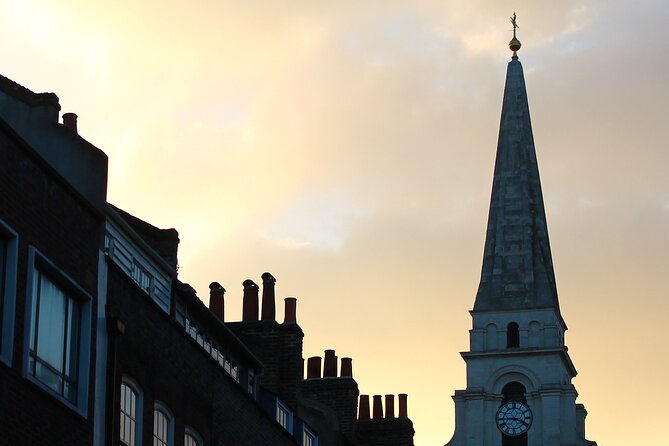
The final story concerns Catherine Eddowes, a woman from Wolverhampton. Her body was discovered in Mitre Square, where the tour finishes its account of the murders. The supplied route information also gives Spitalfields Market as the end point, so I would confirm the exact finishing location with Rebel Tours before setting off. That small detail matters if you have dinner reservations or need to catch a train.
The St Botolph’s and Mitre Square section lasts about 25 minutes, making it one of the longer stops. It gives the tour time to draw together the women’s backgrounds, the setting, and the way their deaths became part of a public story that often ignored their actual lives.
What the two-hour format is really like
This is a compact walking tour, not a full evening lecture. The listed duration is about two hours, with frequent stops and several places where you can sit if required.
You should wear comfortable shoes. The route covers several East London locations, and the experience is designed around walking from one site to the next rather than remaining in one building. Because the start time is 6:30 pm, bring a coat or layer, especially during cooler months.
The group limit is 20 people. That is small enough to feel more personal than a large street procession, while still allowing the guide to maintain a clear route. Cecily and Ellie are both praised for friendly, engaging delivery and for answering questions with enthusiasm.
One useful point is the speaking style. The tour has been described as clear enough for non-native English speakers and enjoyable for someone who is hard of hearing. That does not guarantee perfect listening conditions on a noisy street, but it suggests the guide makes a real effort to communicate well.
The experience is offered in English and uses a mobile ticket. Service animals are allowed, and most people can take part. It requires good weather and a minimum number of participants. If weather or numbers force a cancellation, you are offered another date or experience, or a full refund.
Is $34.28 a fair price?
At $34.28 per person, this is not the cheapest way to walk around Whitechapel. You can visit Brick Lane, Spitalfields Market, Petticoat Lane, and the surrounding streets without paying for a guide.
The value comes from the connections. A self-guided walk can show you the addresses, but it is harder to link a pub, a market, a mosque, a church, a refuge, and a murder site into one clear account of East End life. The guide also adds the women’s biographies, the housing context, the role of addiction, immigration, and the later campaign to rename the Ten Bells.
I consider the price reasonable if you want a focused two-hour history walk with a strong ethical point of view. It is less appealing if you already know the women’s stories well or mainly want to see famous Jack the Ripper locations without much social context.
The tour is often booked around 27 days in advance. That suggests you should not leave it until the last day of a short London visit, especially if the evening time suits your plans.
Who should book this experience?
I would choose this tour if you have read Hallie Rubenhold’s The Five or want a similar focus on the women rather than the murderer. The book is not required, but the tour’s approach will appeal to readers who believe the victims deserve names, families, work histories, and dignity.
It also suits families with mature children. A parent traveling with daughters aged 12 and 15 found the lack of graphic images and gruesome descriptions helpful. I would still explain the subject beforehand, since the stories involve murder, poverty, addiction, and traumatic lives.
This is a good pick for history fans, social-history readers, first-time visitors to Whitechapel, and anyone tired of crime stories that make the killer more famous than the people he harmed. It may not suit you if you want theatrical scares, graphic evidence, or a long discussion of suspects and murder methods.
Should you book Jack the Ripper: What About the Women?
Book it if you want a respectful, fact-based evening that uses Jack the Ripper’s crimes to examine Victorian East London and the lives of six women. The best parts are the human focus, the links between past and present, and guides such as Cecily and Ellie, who bring warmth without making light of the subject.
Skip it if you are looking for a horror-style outing or a fast list of murder locations. For most people interested in London’s social past, $34.28 buys a thoughtful route through Whitechapel, Brick Lane, and Spitalfields, with far more substance than the usual killer-centered story.
Free cancellation is available up to 24 hours before the 6:30 pm start for a full refund. Changes or cancellations inside that window are not refunded.
FAQ
How long is the tour?
The walking tour lasts approximately two hours.
Where does the tour begin?
It begins on Aldgate High Street in London, outside Aldgate station.
What time does the tour start?
The tour starts at 6:30 pm.
Where does the tour end?
The end point is listed as Spitalfields Market at 65 Brushfield Street, London E1 6AA. The route description also places the final account near Mitre Square, so confirm the exact finishing point before booking onward plans.
Is the tour offered in English?
Yes. The tour is offered in English.
How many people can join the tour?
The maximum group size is 20 people.
Can children take part?
Most people can participate, and the tour does not use grisly images or graphic murder descriptions. The subject is still serious, so mature children are the best fit.
Just added in London
- Private Transfer From London to Southampton Cruise Terminal★ 4.0 · 2 reviews
- Layover Tour of London from LHR Executive Luxurious Vehicle Private Tour 6 hour★ 4.5 · 9 reviews
- Pub & History Tour London (History & Beers)★ 5.0 · 3 reviews
- eSIM for UK (34 EU countries) | 3 to 30 days. Up to 40GB of data★ 4.0 · 18 reviews
- Young Victoria’s London: Windsor Castle & Kensington Palace★ 5.0 · 1 review
- Zombie Scavengers Game – Southend-on-Sea, UK★ 4.5 · 2 reviews
- Women of Whitechapel 2 hour Walking Tour★ 5.0 · 15 reviews
- Working Women of the East End Walking Tour★ 5.0 · 85 reviews
Jack the Ripper Tours, compared.
London Jack the Ripper Guided Tour with Ripper-Vision
Read our review →
Ultimate Jack the Ripper : Guided Tour of London
Read our review →
London Jack The Ripper Small-Group Walking Tour
Read our review →

The Original Jack the Ripper Coach Tour of Haunted London
Read our review →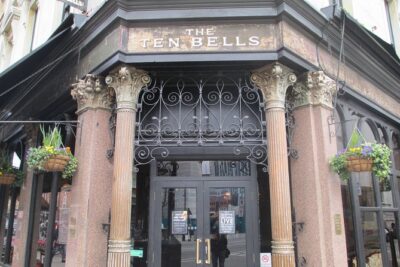
Browse the lists this tour appears in