
Reviewed · WORKSHOPS
Authentic Japanese Cooking Class in North London Home
A small kitchen can teach a big lesson. This two-hour class with Yoshiko offers a personal way to learn Japanese cooking in a North London home, using ingredients you can find in an ordinary supermarket. I like the small group size of two to six people, and I like that you make a full meal rather than a single showpiece dish.
The main consideration is the price: at $94.18 per person, this is not a budget lunch. You are paying for instruction, food, drinks, and private-home attention. The exact menu can also depend on your food preferences, so communicate allergies, special diets, and meat preferences before you arrive.
In This Review
- Key details before you book
- Why a North London home changes the cooking class
- Starting with maki sushi at 11:00 am
- Moving from sushi to a main dish
- Finishing with a Japanese-style vegetable dish
- Lunch, sake, and unlimited mugi cha
- What the two-hour format means
- Group size and the personal touch
- Is $94.18 good value?
- Getting there and finding the home
- Who will enjoy this class most?
- Cancellation and planning advice
- Should you book Yoshiko’s Japanese cooking class?
- FAQ
- Where does the Japanese cooking class take place?
- What time does the class start?
- How long does the cooking class last?
- How many people can join?
- What dishes will I learn to make?
- Is lunch included?
- Are drinks included?
- Can I share food restrictions or special diets?
- Is the location close to public transportation?
- Can I cancel for a refund?
Key details before you book
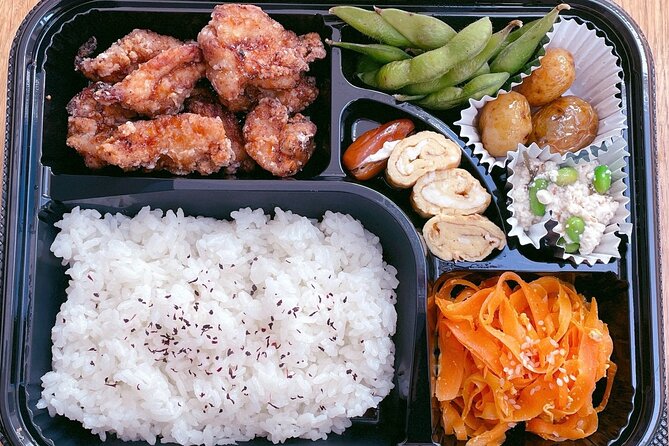
- Make three Japanese dishes: You prepare one maki sushi roll, one meat or fish dish, and one vegetable dish with Japanese-style sauces.
- Learn in Yoshiko’s North London home: The setting is intimate and personal, with a maximum of six people.
- Food preferences matter: Yoshiko asks what you would like to learn and which meats you prefer, allowing some personal input.
- Drinks are included: Lunch, sake, and unlimited mugi cha are provided. You may also bring your own drinks.
- Plan for about two hours: The class starts at 11:00 am and finishes back at the meeting point.
- Cancel without penalty up to 24 hours ahead: A full refund is available if you cancel at least a day before the start time.
Why a North London home changes the cooking class
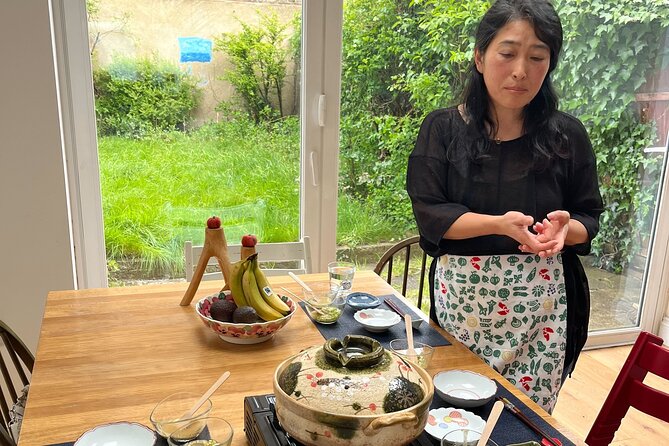
A class in a private home feels different from a lesson in a restaurant kitchen or a large cookery school. You are not one person in a crowd of twenty, trying to see a demonstration from the back. With a maximum of six people, you should have a better chance to watch Yoshiko’s methods closely and ask questions as you work.
That small scale is also the reason this experience can feel more like being invited to lunch than attending a formal workshop. The setting is Yoshiko’s home on Elm Grove, London NW2 3AE. The full address appears on your confirmation voucher in the Before You Go section, so do not rely on the partial meeting information alone.
I especially like the way the class connects Japanese food with normal shopping. You are not being asked to chase rare products or equip a professional kitchen. The stated aim is to show how authentic Japanese dishes can be made with supermarket ingredients. That makes the lesson useful after your London visit, since you can try the recipes again at home.
There is one practical limit. The class takes place in a home, so the experience is likely to feel close and informal rather than spacious. The provided details do not explain the kitchen layout or seating, so ask ahead if you have mobility needs or need a particular arrangement.
More Workshops in London
- London Traditional English Scone Making and Tea Workshop
★ 5.0 · 271 reviews - Street Art Tour and Spray Painting Workshop in London
★ 5.0 · 98 reviews - Street Art Walking Tour and Workshop in London
★ 5.0 · 58 reviews
Starting with maki sushi at 11:00 am
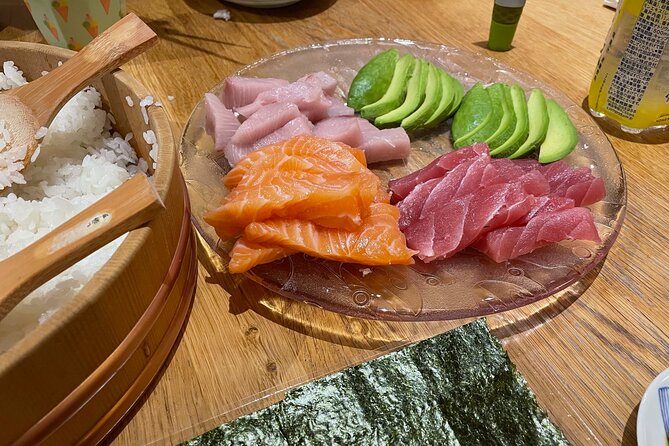
The class begins at 11:00 am, a sensible time for a cooking lesson that includes lunch. You start with the dish most people associate with Japanese home cooking: a maki sushi roll.
This part covers three useful skills:
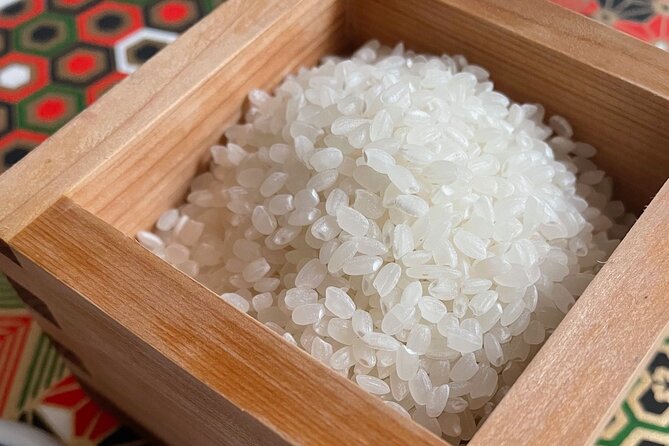
- Preparing the rice
- Rolling the sushi
- Cutting the finished roll cleanly
Those steps sound simple, but each one affects the final result. Rice that is handled poorly can make a roll loose or heavy. A roll that is cut without care can split or look uneven. The value here is not only eating sushi at the end. You get a repeatable process that can help you make it again in your own kitchen.
The class teaches one maki sushi roll, not a large sushi feast. That is worth keeping in mind. If you want a broad lesson on many sushi styles, this class may feel limited. If you want to understand the basics without turning the morning into a technical course, one roll gives the session a clear focus.
The menu is not presented as a fixed list of ingredients. Yoshiko asks what kind of food you would like to learn, and she checks meat preferences. That personal approach can be useful for a couple or small group with different tastes. It also means you should give clear information about allergies and special diets before the class rather than waiting until you arrive.
Moving from sushi to a main dish
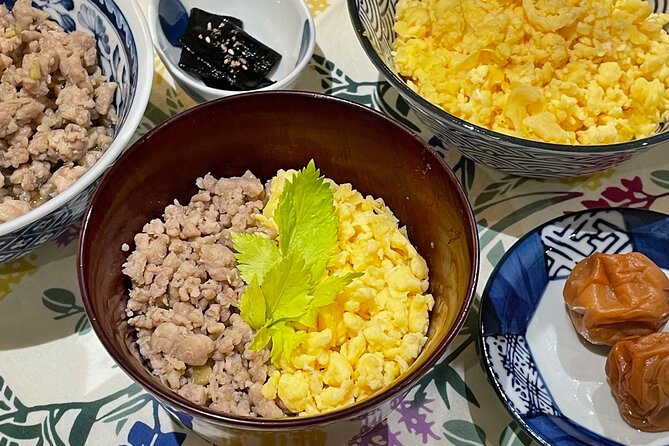
After the sushi, you prepare one meat or fish dish. The information does not specify the exact recipe, so you should treat this as the flexible part of the session. The choice may reflect your preferences, but you should confirm what can be arranged when booking.
This is a good feature for people who want more than a sushi lesson. A complete Japanese meal needs balance, and the meat or fish dish gives you a chance to work with Japanese flavor beyond rice and filling. The class also uses Japanese sauces, so you can see how a few well-chosen seasonings change a simple ingredient.
The personal service is important here. Yoshiko was described as extremely friendly and willing to make a real effort throughout the class. She asked what food the participants wanted to learn and which meat they preferred. That kind of conversation can help the lesson feel tailored rather than prepackaged.
Still, flexibility has a trade-off. You cannot assess the exact dish from the published information alone. If you have your heart set on a particular recipe, ask Yoshiko before the day. Otherwise, arrive ready for a menu shaped partly around the group.
Finishing with a Japanese-style vegetable dish
The third prepared dish is a vegetable creation served with Japanese-style sauces. This may be the most useful part for people who cook often at home. A vegetable dish can be quick to prepare, easy to adapt, and helpful when you want a Japanese meal without making every component elaborate.
The sauces are a central detail. They give the vegetables their Japanese character and show how flavor can come from technique and seasoning rather than expensive ingredients. Since the class focuses on supermarket shopping, you should leave with ideas that are practical for ordinary meals.
The vegetable dish also helps balance the meal. Sushi and a meat or fish course can be filling, while vegetables add contrast. The class does not promise a long menu, but the three-part structure gives you a simple pattern to repeat: rice or sushi, a main protein, and seasoned vegetables.
Do not expect a restaurant-style tasting menu. This is a hands-on class, and the food you eat is the food you help prepare. That is the point. You spend the time working, not simply waiting for plates to arrive.
More cooking classes in London:
- Pasta Making with Unlimited Prosecco in London’s West End
★ 5.0 · 264 reviews - Indian Cooking Masterclass in London
★ 5.0 · 50 reviews - 3 Hour Chinese Dumpling Cooking Class for 2-6 people in London
★ 5.0 · 44 reviews - Private South Indian Home Cooking Class in London with a Local
★ 5.0 · 6 reviews
Lunch, sake, and unlimited mugi cha
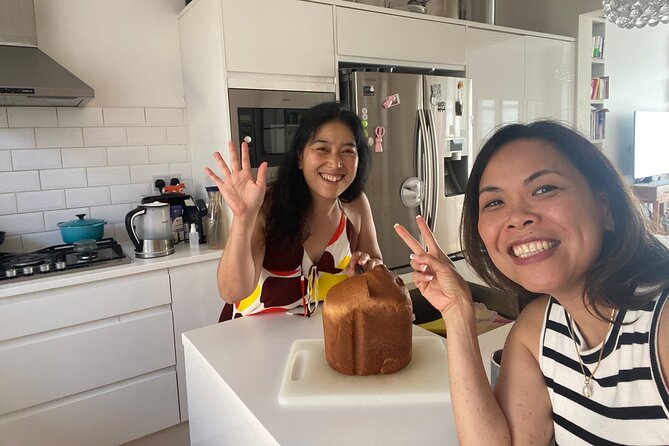
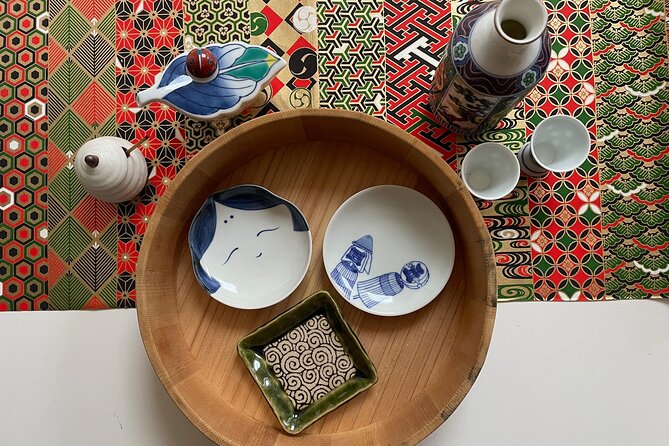
Lunch is included, along with sake and unlimited mugi cha. Mugi cha is Japanese roasted barley tea, usually served without alcohol, so it gives you a non-alcoholic drink option during the class.
You may also bring your own drinks. That is helpful if you prefer something specific, though the supplied details do not list every drink option beyond sake and mugi cha. If alcohol is important to you, remember that sake is included, but the experience is still primarily a cooking lesson.
One of the nicest details is that Yoshiko went beyond the core dishes by making side plates. This suggests the meal may feel more generous than the three headline preparations alone. It also reflects the home-hosting style of the experience: the emphasis is not just on checking off recipes but on making the meal feel welcoming.
You can eat what you make at the home or take your creations away for later. That choice matters if you are not hungry at the end of the two hours, or if you want to save part of the meal. The supplied details do not explain the containers or how much food can be taken home, so ask Yoshiko if that point affects your plans.
What the two-hour format means
Two hours is enough time for a focused lesson, but it is not enough for a long tour of Japanese cuisine. You will prepare three dishes, learn sushi rice and rolling skills, make a main dish, prepare vegetables with sauces, and sit down to eat or pack the food.
That compact format suits you if you want an active morning activity before continuing around London. It also works well for a small group that wants an experience with a clear beginning and end. You are unlikely to spend the whole day in the kitchen.
The pace may feel brisk for complete beginners, especially during sushi preparation. Rolling and cutting are practical skills, and people work at different speeds. The small group should help, since Yoshiko can give more direct attention than a large class, but do not expect every technique to be repeated at length.
I would treat the class as an introduction, not a professional qualification. You will learn useful methods and make three dishes, but the stated duration does not promise advanced knife work, a full tour of Japanese regional cooking, or a large recipe collection.
Group size and the personal touch
The class accepts two to six people. This is a useful range for couples, families, or a few friends who want to cook together without joining a large public group.
For two people, the experience should feel especially personal, though the price is still charged per person. For six, the atmosphere may be more social, and each person may have slightly less individual attention. The maximum keeps the group manageable, but it does not guarantee that everyone will spend the same amount of time on every task.
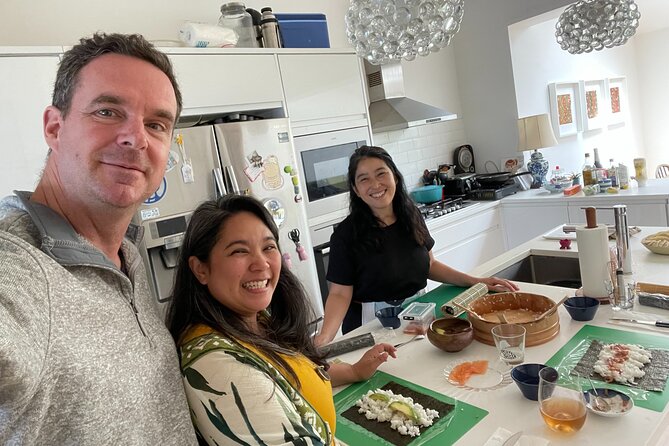
Yoshiko’s approach is a strong reason to consider the class. She asks about preferred foods and meats, and she made side plates for the meal. Her friendliness and effort were the most highly praised aspects of the available feedback. Those details point to a host who pays attention to the people in front of her.
That personal style also means communication is important. Share allergies, special diets, and other restrictions when you book. The class is built around food preparation, so the host needs that information early.
Is $94.18 good value?
At $94.18 per person, this class costs more than a standard lunch, but that is not the right comparison. You are paying for roughly two hours of instruction, a meal, sake, unlimited mugi cha, a small group, and the chance to cook in a private home.
The value is strongest if you care about learning. The maki sushi technique, meat or fish preparation, vegetable dish, and sauces give you several skills to take away. Supermarket ingredients also improve the long-term value because the recipes should be easier to repeat than dishes dependent on specialist shopping.
The price is less attractive if you mainly want to eat Japanese food. You will be involved in preparation, and the class takes up part of your morning. A restaurant meal would be simpler and likely cheaper, but it would not teach you how to prepare the dishes.
The option to eat on-site or take the food home adds a little flexibility. So does the ability to bring your own drinks. For a special occasion, a couple, or a small group seeking a private activity, the cost can make sense. For a solo visitor watching every pound, the minimum booking size and per-person price deserve closer thought.
Getting there and finding the home
The meeting point is listed as Elm Grove, London NW2 3AE, UK, and the activity ends back at that same point. The area is near public transportation, which makes the class easier to reach than a destination far outside London.
The full address is not included in the public meeting details. You receive it on the confirmation voucher under Before You Go. Read that section carefully before setting out, and allow time to find a private residence rather than assuming the partial address is enough.
The mobile ticket is convenient. Keep your confirmation available on your phone, especially since it contains the complete address and practical arrival information. The class begins at 11:00 am, so check the local route before the day.
The information provided does not state an accessibility rating or details about stairs, toilets, or kitchen access. If any of those points matter to you, contact the host before booking. A private home can vary greatly from one property to another.
Who will enjoy this class most?
I would recommend this experience to you if you:
- Want a small, friendly cooking class rather than a large group lesson
- Like hands-on activities and do not mind preparing your own lunch
- Want to learn sushi basics along with a meat or fish dish and vegetables
- Prefer recipes based on supermarket ingredients
- Are visiting London with a partner, family member, or small group
- Enjoy meeting a local host in a home setting
- Have food preferences you want to discuss in advance
It may not suit you if you want a fixed, detailed menu, a full-day culinary course, or a purely hands-off meal. It may also be less suitable if you dislike close home settings or need confirmed accessibility details that have not been provided.
Cancellation and planning advice
You can cancel for a full refund up to 24 hours before the experience start time. Cancellations made less than 24 hours before the start are not refunded, and changes inside that window are not accepted.
Book with enough notice if your date matters. The experience is booked an average of 18 days ahead, and the group limit is only six people. Once you have your confirmation, send food restrictions and preferences as early as possible.
Should you book Yoshiko’s Japanese cooking class?
Book it if you want personal instruction, a home-cooked meal, and practical Japanese recipes in one compact morning. Yoshiko’s friendly hosting, willingness to ask about food preferences, and extra side plates add warmth that a standard group class may lack.
Think twice if $94.18 feels high for lunch, or if you need a guaranteed recipe list and detailed accessibility information. For people who value the cooking and the connection with a host, the price is reasonable. For people who only want to eat, it is not the best deal.
My call: this is a strong choice for two to six people who want to learn sushi, a main dish, and Japanese vegetables without hunting down unusual ingredients. Arrive prepared to work, share your dietary needs early, and use the confirmation voucher for the full address.
FAQ
Where does the Japanese cooking class take place?
The class takes place in Yoshiko’s North London home at Elm Grove, London NW2 3AE, UK. The full address appears on the confirmation voucher under the Before You Go section.
What time does the class start?
The activity starts at 11:00 am.
How long does the cooking class last?
The cooking session lasts approximately two hours.
How many people can join?
The class is designed for groups of two to six people, with a maximum of six participants.
What dishes will I learn to make?
You will learn to make one maki sushi roll, one meat or fish dish, and one vegetable dish with Japanese-style sauces.
Is lunch included?
Yes. Lunch is included, and you can eat your creations at the home or choose to take them home.
Are drinks included?
Sake and unlimited mugi cha are included. You may also bring your own drinks.
Can I share food restrictions or special diets?
Yes. You need to communicate allergies, special diets, and other food restrictions.
Is the location close to public transportation?
Yes. The meeting point is described as being near public transportation.
Can I cancel for a refund?
Yes. You can receive a full refund if you cancel at least 24 hours before the experience start time. Cancellations or changes made less than 24 hours before the start are not accepted for a refund.
Just added in London
- Private Tour: Royal High Tea At Kensington Palace Gardens★ 5.0 · 39 reviews
- Private Tour: Personal Travel Photographer Tour in London★ 4.5 · 27 reviews
- London East End Private Walking Food Tour – Secret Food Tours★ 5.0 · 26 reviews
- Private Tour: Night Photography Tour in London★ 5.0 · 48 reviews
- London Like a Local, Private & Personalized (2-3 hrs)★ 4.5 · 11 reviews
- British Museum & National Gallery of London – Exclusive Guided Combo Tour★ 5.0 · 48 reviews
- Private Tour: Tower of London and St Paul’s Cathedral★ 5.0 · 1 review
- London Soho District – Exclusive Guided Walking Tour★ 5.0 · 2 reviews
Workshops, compared.


London Traditional English Scone Making and Tea Workshop
Read our review →





Street Art Tour and Spray Painting Workshop in London
Read our review →Browse the lists this tour appears in