
Reviewed · WORKSHOPS
Street Photography Workshops in London
Great photographs often begin with a brave step. This six-hour London workshop turns Fleet Street and nearby streets into a practical classroom, with Cyrus and Marc guiding you through shooting, composition, light, colour, and honest photo critiques. I like the small maximum of eight people, which gives you room to ask questions, and I like the mix of classroom teaching and real street assignments. The main consideration is the pace: you will cover a lot in one day, and the amount of shooting, editing, discussion, and critique may feel intense.
This is aimed at beginner and intermediate photographers, not people seeking a gentle sightseeing walk. You bring your own camera or iPhone, then spend the day making images and examining why they work, or why they do not. The friendly guidance on photographing strangers is especially useful if street photography makes you nervous.
In This Review
- Key Points Before You Book
- Why This London Photography Workshop Is Different
- Meeting Cyrus and Marc Near Fleet Street
- The Advance Photo Review Sets the Tone
- Lectures on Composition, Light, Colour, and Impact
- Street Assignments Around London
- Photographing Strangers With More Confidence
- The Critique Is the Main Value
- Equipment, Group Size, and Physical Demands
- Who Gets the Most From the Workshop
- Is Six Hours Good Value?
- Final Verdict: Should You Book It?
- FAQ
- Where does the workshop start?
- What time does the workshop begin?
- Where does the activity finish?
- How long does the workshop last?
- What language is the workshop offered in?
- What equipment should I bring?
- How many people can join the workshop?
- Do I need to send photographs before the workshop?
- Is the workshop suitable for beginners?
- Can I cancel for a refund?
Key Points Before You Book
- Six hours around Fleet Street: The workshop begins at 10:00 a.m. on Fleet Street and returns to the same meeting point.
- A maximum of eight people: The small group allows more direct questions and more time for personal feedback.
- Bring your own camera or iPhone: Equipment is not supplied.
- Send photographs in advance: Your earlier work can be discussed before the day’s street assignments begin.
- Practice, then critique: You do not just listen to a lecture. You shoot, review, and receive advice on your choices.
- Useful for nervous beginners: Cyrus and Marc explain how to photograph strangers safely and with more confidence.
Why This London Photography Workshop Is Different
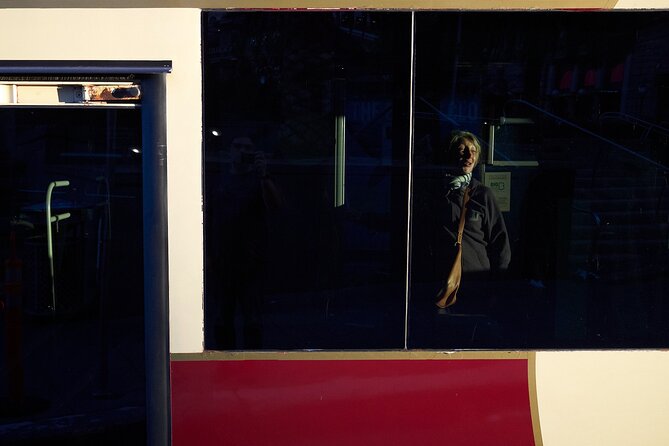
Many photography activities in London focus on famous views and send you home with a full memory card. This one takes a different route. It treats the city as a working studio, with the goal of improving how you see rather than simply collecting pictures of familiar landmarks.
You spend time in rooms near Fleet Street, then go out onto the surrounding streets to test the ideas in practice. That combination matters. A short talk about composition can sound clear enough, but the real lesson arrives when you have to find a subject, decide where to stand, notice the light, and press the shutter before the moment changes.
I like that the workshop does not promise a magic camera setting. Its focus is on the things that give a street photograph force: the subject, composition, light, colour, and the way all of those parts work together. You are asked to think about the image, not just react to whatever happens in front of you.
The teaching also includes the history of street photography. That gives the practical advice some context without turning the day into a formal lecture course. You learn where the style comes from, then consider how those ideas might shape your own photographs in London.
More Workshops in London
- London Traditional English Scone Making and Tea Workshop
★ 5.0 · 271 reviews - Street Art Tour and Spray Painting Workshop in London
★ 5.0 · 98 reviews - Street Art Walking Tour and Workshop in London
★ 5.0 · 58 reviews
Meeting Cyrus and Marc Near Fleet Street
The workshop starts at 10:00 a.m. at Fleet Street, London EC4A 2DQ. The activity ends back at the same meeting point, so you do not need to plan for a separate finishing location.
That central setting is well suited to the subject. Fleet Street and the streets around it offer changing backgrounds, people moving through public spaces, strong architectural lines, and plenty of chances to work with light and colour. The information provided does not promise specific buildings or a fixed list of stops, so you should think of this as a flexible shooting area rather than a landmark tour.
Cyrus and Marc share the teaching. Their approach appears relaxed but direct. You receive encouragement, but you are also expected to examine your work carefully. That balance is important. Constant praise may feel pleasant, yet it does little to help you understand why a photograph succeeds or falls flat.
The small group is one of the strongest practical features. With no more than eight participants, you have a better chance to ask a question at the moment you need it. You also receive more space during critiques than you would in a large class where every person has only a few seconds.
The Advance Photo Review Sets the Tone
Before the workshop, you are asked to send photographs taken the night before. These can include older images from your travels, which is useful if you do not already have a large collection of street photographs.
The early discussion gives Cyrus and Marc a sense of your current habits. It also gives you a third-party view of pictures you may have judged too quickly or kept for the wrong reasons. That kind of distance can be helpful. You may begin to notice that a technically sharp picture lacks a clear subject, or that a simple scene has more impact than a crowded frame.
The critique is described as friendly, but it is still real criticism. You should arrive ready to hear what could improve, not just which images the instructors like. The best use of this session is to ask why a picture works, where the eye goes first, and what might be removed or changed.
One particularly useful result is learning to assess your own photographs through a new lens. That skill lasts longer than a single tip. Once you know what to look for, you can apply it on future shoots in London or anywhere else you carry a camera.
Lectures on Composition, Light, Colour, and Impact
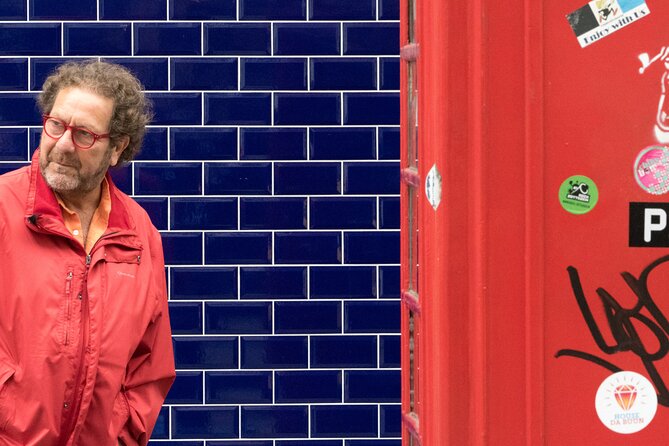
The teaching covers the core building blocks of a strong street image. Composition is not treated as a vague artistic idea. You are encouraged to look at how the parts of the frame relate to one another and how the subject gains attention.
The importance of the subject receives special attention. Street scenes can be full of movement and visual noise, but a busy frame is not automatically an interesting frame. You need to know what the photograph is about and make that clear to the person looking at it.
Light and colour also play a major role. You learn how these elements can add impact, shape the mood, or guide the eye. The workshop does not appear limited to one visual style, which is helpful for photographers who want to move beyond their usual habits.
The instructors also discuss common problems that affect street photographs. The supplied details do not list each problem, so I would not expect a rigid checklist. Instead, the value comes from seeing those issues in your own work and then trying a different approach outside.
The tone seems to mix humour with serious instruction. That can make a long day easier to handle, especially when the critique becomes demanding. You are there to improve, but you are not being examined in a silent classroom.
More Photo Tours in London:
- Professional Photoshoot in London Photographer
★ 5.0 · 102 reviews - Private landmarks photoshoot for families and couples
★ 5.0 · 92 reviews - Professional Private Photoshoot in London
★ 5.0 · 63 reviews - 30 Major London Attractions Walking Tour With Photos
★ 4.5 · 51 reviews
Street Assignments Around London
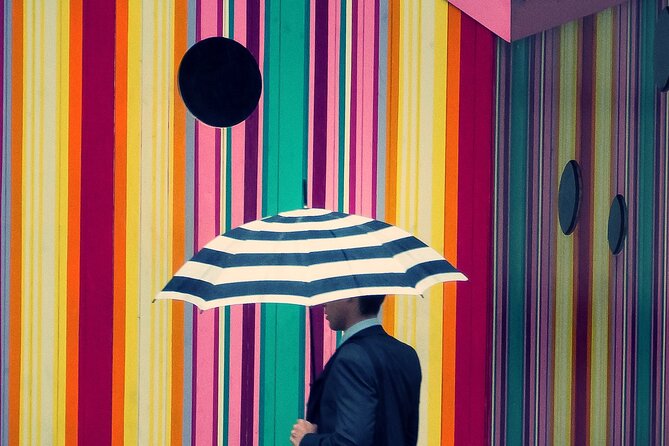
At points during the day, you are sent out to complete assignments. This is where the workshop becomes more than a photo talk.
An assignment gives you a clear task when the streets might otherwise feel overwhelming. Rather than wandering without direction, you have a reason to watch, wait, and make deliberate choices. You may find that the exercise pushes you away from your normal style, which is useful if your photographs have started to look repetitive.
The group also uses lesser-known vantage points so you can work with fewer crowds. This does not mean you should expect empty streets or secret locations. It means the instructors try to find viewpoints that offer more breathing room than the most obvious photo spots.
I appreciate the practical nature of this setup. London is visually generous, but it can also distract you with too many possible subjects. A focused assignment helps you make a photograph instead of simply recording the city.
After shooting, you return for more discussion and criticism. The point is not to complete an assignment and move on. You look at the result, consider what happened, and receive advice that can guide the next attempt.
Photographing Strangers With More Confidence
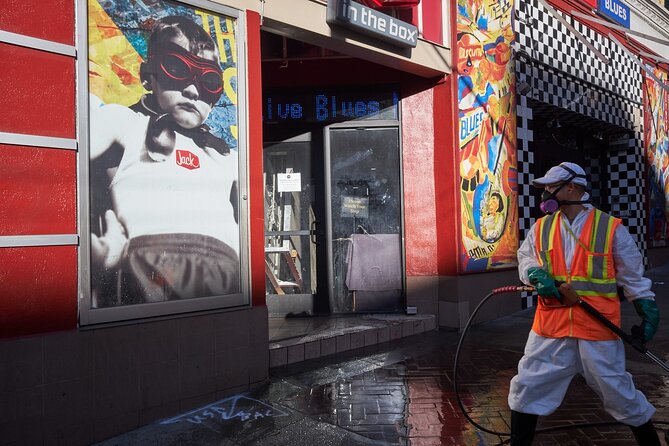
For many beginners, the biggest barrier is not exposure or composition. It is the worry that taking a picture of a stranger will feel rude, unsafe, or confrontational.
Cyrus and Marc address this directly. They explain how to photograph people on the street safely and help you feel more at ease approaching the subject. That guidance is one of the most useful reasons to choose an in-person workshop instead of learning only from online articles.
You are not simply told to be bold. You are given a way to think about the situation, which can make the first step feel manageable. The goal is greater confidence and better judgment, not careless behaviour.
This is also where the small group helps. If you feel unsure about a particular situation, you can ask before acting. Advice given beside the street is easier to understand than general advice read at home.
The workshop may not remove every hesitation in one day. That is a fair expectation. But it can give you enough confidence to continue practising after you leave London.
The Critique Is the Main Value
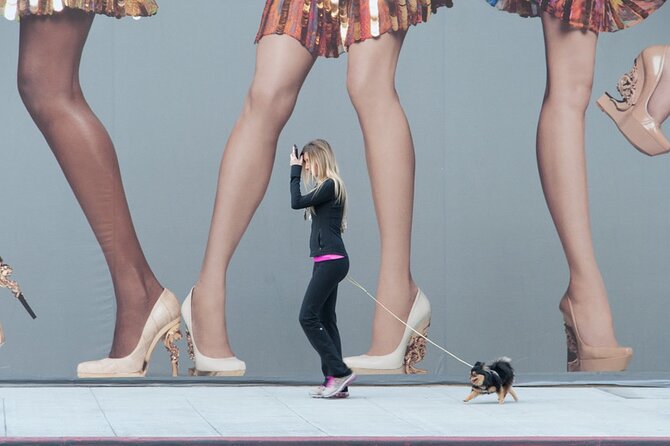
The strongest part of the day may be the personal feedback. You are not only shown examples or told what a good street photograph should contain. You make your own images, then hear what Cyrus and Marc see in them.
Good critique helps you identify patterns. Perhaps you tend to place the subject too close to the edge. Maybe you notice colour but overlook the background. You may find that the moment was promising, yet your timing or position weakened the final image.
The discussion is intended to be gentle, though not empty. You receive encouragement along with serious suggestions. That makes the workshop suitable for people who want honest advice but do not want a harsh or competitive class.
You are also invited to look at the instructors’ work. Critiquing their images is optional, but seeing how they approach street photography gives you another point of comparison. It can be easier to understand a lesson when you can connect it to a finished photograph.
The day includes a lot of conversation, so you should not expect nonstop shooting. If you want six straight hours of walking and photographing, this is not the right activity. The teaching and review are central, not interruptions between sightseeing stops.
Equipment, Group Size, and Physical Demands
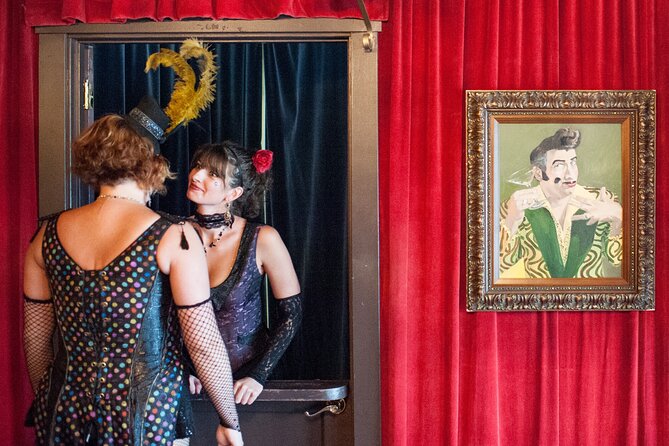
You need to bring a camera or iPhone. The workshop does not supply equipment, so make sure you arrive with a device you know how to use. A familiar camera is more valuable here than a complicated one that slows you down.
The activity lasts about six hours and includes time in rooms as well as time on the streets. You should be prepared for a full day of photography, listening, discussion, and assignments. The exact balance may change according to the group and the work being examined.
Most people can participate, and service animals are allowed. The meeting point is near public transportation, which makes the central location practical for getting there and away afterward. The activity is offered in English.
With a maximum of eight participants, the workshop feels more like a mentoring session than a large public class. That does not guarantee constant one-to-one instruction, but it gives each person a better chance to contribute and receive comments.
Who Gets the Most From the Workshop
I would recommend this experience most strongly to beginners and intermediate photographers. It is particularly helpful if you have taken pictures for a while but feel your results are average, repetitive, or uncertain.
It also suits you if you are new to street photography but already have a camera or iPhone and want a clear starting point. The mix of theory and practice avoids two common problems: learning rules without using them, or taking hundreds of pictures without understanding what to improve.
You should also consider it if photographing strangers makes you uncomfortable. The advice on confidence and safety addresses a real obstacle that technical lessons often ignore.
More advanced photographers may still find value in the critique, especially if they want another perspective or are trying to move away from their usual style. However, the workshop is not described as a specialist masterclass. If you already have a strong street practice, check that the level and teaching approach match your aims.
Is Six Hours Good Value?
No price is provided here, so I cannot judge the exact cost against other London activities. I can judge what you receive for the time: two instructors, teaching on street photography, a review of photographs sent in advance, live assignments, further critique, discussion of composition and visual impact, and access to a small group setting.
That is a solid package if you will use the feedback. The value is not in the number of streets visited or photographs taken. It is in leaving with a clearer way to judge your own work.
The workshop is less valuable if you want a sightseeing experience with a few photography tips added on. You spend a meaningful part of the day listening, discussing, and reviewing images. Your own effort also matters. The more photographs you bring and the more willing you are to try the assignments, the more useful the day should be.
Free cancellation is available if you cancel at least 24 hours before the 10:00 a.m. start time. A cancellation inside that window is not refunded, and changes are not accepted. The activity also requires a minimum number of participants, so a cancellation by the operator may lead to another date, another experience, or a full refund.
Final Verdict: Should You Book It?
Book this workshop if you want to improve your street photography rather than simply photograph London’s famous sights. The strongest reasons are the small group, the direct feedback from Cyrus and Marc, and the chance to practise photographing strangers with more confidence.
I especially like the advance photo review. It means the teaching can respond to your actual habits instead of treating everyone as a blank slate. The friendly but serious critique also gives the day more substance than a basic photo walk.
Think twice if you dislike classroom time, do not want your pictures examined, or expect constant shooting. You may feel overwhelmed by the amount of material packed into six hours. For a beginner or intermediate photographer who is ready to listen, experiment, and accept useful criticism, that intensity is likely to be the point.
FAQ
Where does the workshop start?
It starts on Fleet Street, London EC4A 2DQ, UK.
What time does the workshop begin?
The workshop begins at 10:00 a.m.
Where does the activity finish?
It finishes back at the meeting point on Fleet Street.
How long does the workshop last?
The experience lasts approximately six hours.
What language is the workshop offered in?
It is offered in English.
What equipment should I bring?
You need to bring your own camera or iPhone.
How many people can join the workshop?
The maximum group size is eight participants.
Do I need to send photographs before the workshop?
You are asked to send photographs the night before so they can be discussed during the workshop.
Is the workshop suitable for beginners?
Yes. It is intended for beginner to intermediate photographers and includes advice for people who feel nervous photographing strangers.
Can I cancel for a refund?
You can receive a full refund if you cancel at least 24 hours before the experience start time. Cancellations made less than 24 hours before the start are not refunded.
Just added in London
- Private Transfer From London to Southampton Cruise Terminal★ 4.0 · 2 reviews
- Layover Tour of London from LHR Executive Luxurious Vehicle Private Tour 6 hour★ 4.5 · 9 reviews
- Pub & History Tour London (History & Beers)★ 5.0 · 3 reviews
- eSIM for UK (34 EU countries) | 3 to 30 days. Up to 40GB of data★ 4.0 · 18 reviews
- Young Victoria’s London: Windsor Castle & Kensington Palace★ 5.0 · 1 review
- Zombie Scavengers Game – Southend-on-Sea, UK★ 4.5 · 2 reviews
- Women of Whitechapel 2 hour Walking Tour★ 5.0 · 15 reviews
- Working Women of the East End Walking Tour★ 5.0 · 85 reviews
Workshops, compared.

London Traditional English Scone Making and Tea Workshop
Read our review →


Chocolate Bar Making Workshop – York Cocoa Works
Read our review →

Browse the lists this tour appears in