
Reviewed · WALKING TOURS
London in WW2 Walking Tour with Churchill War Rooms Visit
Churchill’s London is hiding beneath your feet. This three-hour experience links wartime Westminster with the underground command center that helped direct Britain through World War II. I like the way the tour begins outdoors, using Parliament Square, Whitehall, and Westminster Bridge to set the political and human scene before you enter Churchill’s War Rooms.
I also like the small group limit of 15 people, which gives the guide room to answer questions and adjust the storytelling to the group. Guides such as Nathan, Babs, Jeremy, Paul, Francis, and Richard are repeatedly praised for their humor, energy, and command of the subject. The main drawback is that much of the walking portion happens outside, while the War Rooms visit becomes self-guided after your guide sees you inside.
In This Review
- Key points to know before booking
- Why this tour works for a short London visit
- Westminster Bridge: a fitting place to begin
- The Houses of Parliament and the silence of Big Ben
- Parliament Square and the meaning of democracy
- Westminster Abbey from the pavement
- Whitehall, the Cenotaph, and wartime remembrance
- Horse Guards Parade and the modern ceremonial view
- Entering Churchill’s underground War Rooms
- The guides make or break the outdoor walk
- Price, group size, and practical value
- Who should book this experience?
- Should you book the London WWII walking tour?
- FAQ
- How long does the London in WWII Walking Tour last?
- Is entrance to Churchill’s War Rooms included?
- Is Westminster Abbey included?
- Where does the tour start?
- Where does the tour end?
- How large is the group?
- Is the tour conducted in English?
- What does the price include?
Key points to know before booking
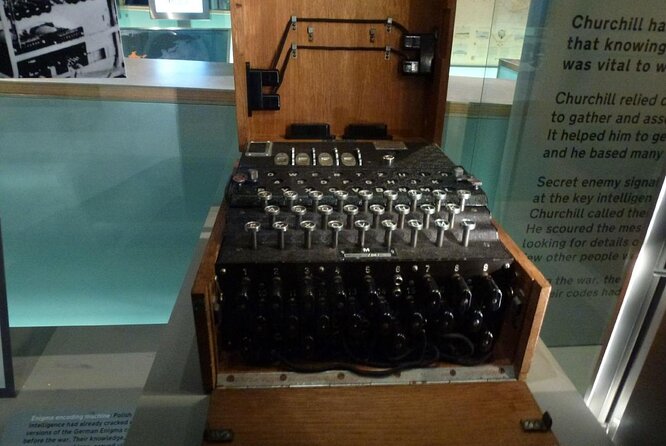
- The War Rooms admission is included, along with an audio guide for the underground museum.
- The route covers central Westminster, including Westminster Bridge, Parliament Square, Whitehall, and Horse Guards Parade.
- Groups are limited to 15 people or fewer, a useful size for street-side explanations and questions.
- Westminster Abbey is viewed from outside only, and its entrance fee is not included.
- The strongest part depends on the guide, with Nathan, Babs, Jeremy, Paul, and others receiving especially warm praise for lively and informed storytelling.
- The tour ends at Churchill’s War Rooms, where you continue at your own pace for about an hour.
Why this tour works for a short London visit
London offers plenty of World War II material, but it is spread across monuments, government buildings, streets, and museums. This tour gives you a clear route through the center of power. You begin near the Thames and finish underground, moving from public memorials to the private rooms where wartime decisions were made.
That structure matters. If you go straight to the War Rooms, you see maps, offices, telephones, and displays, but the surrounding streets can feel like background scenery. The walking tour gives those streets a purpose. Parliament becomes a symbol of government under pressure. Whitehall becomes the center of military administration. Westminster Bridge connects the political district with the wider city that faced bombing and invasion threats.
I would call this an introduction rather than a full study of wartime London. The outdoor stops are short, usually five to ten minutes each, and the entire experience lasts about three hours. You will not explore every aspect of the Blitz or Churchill’s career. You will get a focused route, a strong narrative, and time inside one of London’s most important museums.
The experience receives a public rating of 4.9 from 721 ratings, with 98 percent recommending it. That level of approval fits the tour’s main strength: the guides make a complicated period easy to follow without turning the walk into a dry lecture.
More Walking Tours in London
- Tour for Muggles The Ultimate Harry Potter Walking Tour in London
★ 5.0 · 4,684 reviews - London Jack The Ripper Guided Walking Tour
★ 5.0 · 3,131 reviews - Changing of the Guard Guided Walking Tour in London
★ 5.0 · 1,793 reviews
Westminster Bridge: a fitting place to begin
The meeting point is beside the statue of Boadicea and Her Daughters on Victoria Embankment. From there, the group heads toward Westminster Bridge, the green-painted crossing associated with the Houses of Commons.
The bridge is a useful first stop because it puts you between the river and the government district. Your guide introduces the wartime setting and points out how close the key institutions were to the dangers facing London. Bomb remnants are still found in the Westminster area, including near the bridge, which gives the opening stop a direct physical link to the air raids.
You only spend about five minutes here, and there is no admission charge. That short pause is enough to orient you, take in the river views, and understand the route. Do not expect an extended bridge tour. Its job is to begin the story, not carry it.
The Houses of Parliament and the silence of Big Ben
At the Houses of Parliament, the guide explains how Britain’s government responded to the threat from Nazi Germany. The focus is on the political decisions made as the Luftwaffe filled the skies over London and daily life became shaped by the war.
The detail about Big Ben going quiet is especially useful. The famous bell was not simply a tourist attraction. Its sound and visibility had symbolic value, and wartime restrictions changed how this familiar landmark functioned.
You visit the building from outside, so this tour does not include entry to the Palace of Westminster. That is worth keeping clear when planning your day. You are coming for the wartime setting and the guide’s explanation, not an interior government tour.
For me, this is where a good guide matters most. Nathan is praised for connecting Churchill’s role with the wider political story, while Jeremy is noted for explaining small details with wit. The best guides make you see Parliament as a working institution under extreme pressure, not just a grand Gothic facade.
Parliament Square and the meaning of democracy
Parliament Square can look like a quick photo stop, but the guide uses its statues to widen the story. Figures including Mahatma Gandhi, Millicent Fawcett, and Abraham Lincoln represent different struggles for political rights and civic freedom.
That connection is important during a World War II tour. The conflict was not only about military victories. It was also about the survival of democratic government. The statues provide a compact way to discuss the values Britain claimed to defend.
You spend around ten minutes here, outdoors and free of charge. The square can be busy, and protests or public events may affect the route. Babs is specifically praised for navigating a protest without losing control of the walk, so the company appears used to handling the changing conditions around Westminster.
This stop suits anyone who likes context. If you only want battlefield dates and military equipment, it may feel less direct. If you want to understand why Westminster mattered, it earns its place.
A completely different sort of day out:
- Stonehenge, Windsor Castle, and Bath from London
★ 4.5 · 18,662 reviews - London Big Bus Hop-On Hop-Off Tour with Optional River Cruise
★ 3.5 · 10,803 reviews - London Small Group Tour of Historical Pubs
★ 5.0 · 10,422 reviews - Stonehenge, Windsor Castle and Bath with Pub Lunch in Lacock
★ 4.5 · 7,402 reviews
Westminster Abbey from the pavement
Westminster Abbey is viewed from outside for about ten minutes. The entrance is not included, so you should not treat this tour as an Abbey visit.
The value here comes from the building’s place in national life. Your guide connects the Abbey and the surrounding institutions to wartime Britain, bringing the story back to ceremony, leadership, and public identity. You get the exterior setting without adding another admission ticket or a longer interior visit.
That arrangement is useful if your London schedule is tight. It is less satisfying if the Abbey is high on your personal list. You will need to book or visit it separately if you want to see the interior.
Whitehall, the Cenotaph, and wartime remembrance
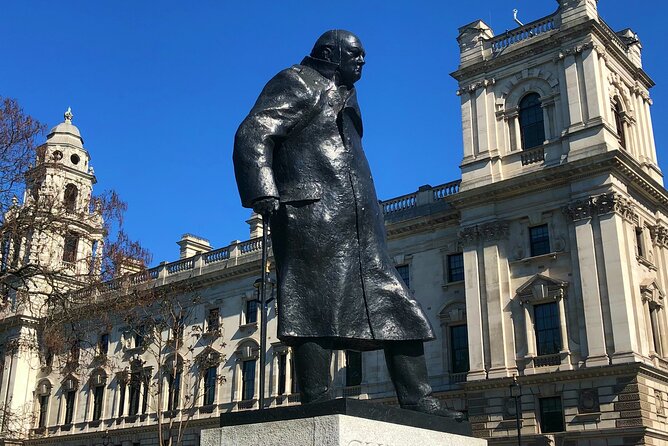
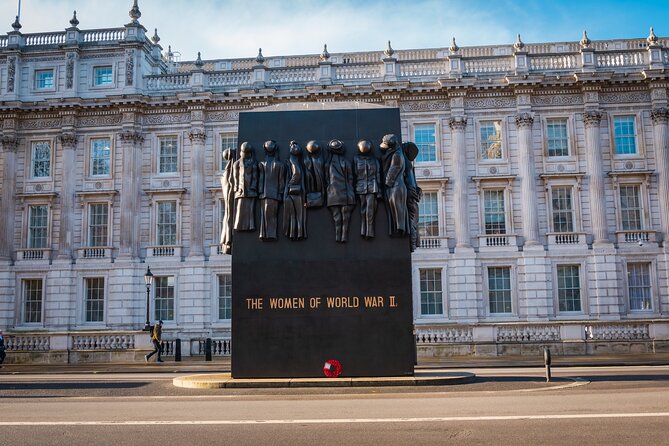
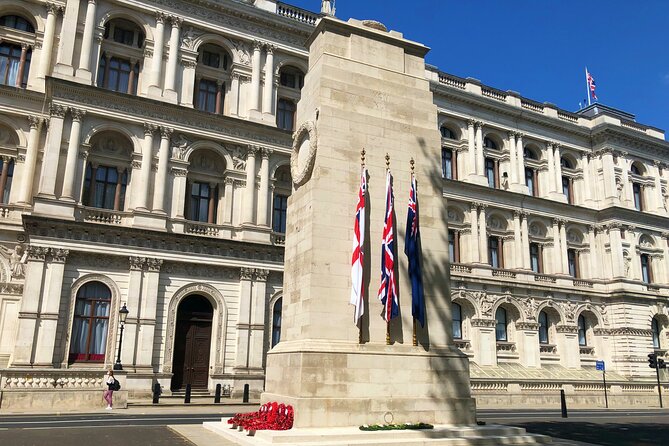
Whitehall provides some of the walk’s most serious moments. This government avenue was closely tied to Britain’s war effort, and the route includes the Cenotaph and the Women in World War II monument.
The Cenotaph is a place of national mourning, while the women’s monument broadens the story beyond soldiers and politicians. It reminds you that wartime work involved many roles and sacrifices, often carried out away from the front line.
The guide’s treatment of these memorials is one of the tour’s most valuable features. Francis is praised for explaining the monuments and adding family connections, including stories about his mother-in-law’s life during World War II. That sort of personal detail can make a memorial feel less remote without turning the tour into a sentimental performance.
You spend roughly ten minutes here. It is a short visit, but the subject deserves a measured pace. Listen carefully, since this is one of the places where the guide’s storytelling adds far more than a quick photograph would.
Horse Guards Parade and the modern ceremonial view
Horse Guards Parade brings a change of mood. You see the mounted cavalry of the King’s Horse Guards and the official entrance connected with Buckingham Palace. The tour describes this as a good place for photographs and includes about ten minutes outside.
The stop is not purely about World War II. That is both its appeal and its limitation. It gives you a glimpse of Britain’s continuing military ceremony, but the direct wartime connection is lighter than at Whitehall or Parliament.
Still, it helps the walking route feel like a tour of Westminster rather than a series of museum exhibits. You move through a living government district, where ceremony, administration, remembrance, and tourism share the same streets.
Entering Churchill’s underground War Rooms
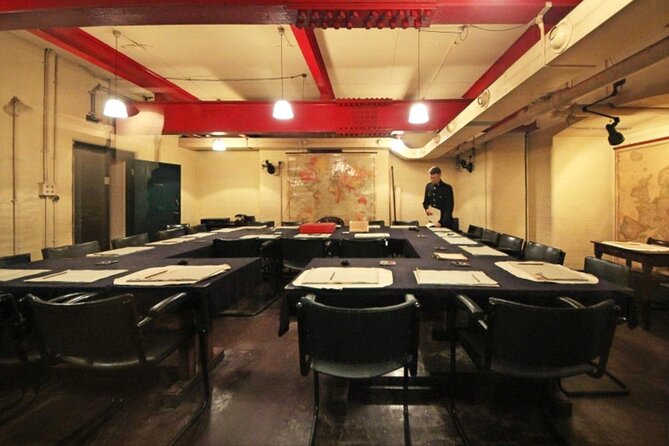
The walking portion ends at Churchill’s War Rooms on King Charles Street. Your guide sees you into the museum, but the indoor visit is self-guided. Admission is included, and an audio guide is provided.
Allow about an hour for the War Rooms portion. The underground complex contains offices and working spaces used by the government during the war. The rooms show how officials organized the national response while London faced the danger of invasion and bombing.
This is the emotional center of the experience. Above ground, you have seen monuments and official buildings. Below ground, you encounter the cramped offices and practical arrangements behind the decisions. The setting gives Churchill’s leadership a physical place, while also showing that the war effort depended on staff, military planners, civil servants, and communications workers.
The museum’s Churchill displays add another layer. You can move from the operational rooms into exhibits focused on his life and career. Several guides are praised for giving the museum useful context before handing you over to the audio guide.
The self-guided format has clear advantages. You can pause at displays, listen at your own speed, and spend more time on the Churchill material that interests you. The tradeoff is that the tour’s personal guidance ends at the entrance. If you prefer a guide to explain every exhibit, you may want to allow extra time and read or listen carefully on your own.
A few people have described the War Rooms as especially impressive because they resemble the spaces shown in films, but the real value is less about appearance than function. You are seeing the physical headquarters of a government trying to manage an existential crisis.
The guides make or break the outdoor walk
The public feedback gives unusually clear guidance about what drives the experience. Nathan receives repeated praise for his energy, flexibility, and command of World War II history. He is also described as good at matching his explanations to the group’s level of interest.
Babs is praised for passion, humor, and calm handling of a protest near the route. Jeremy is singled out for clear explanations and comic timing. Paul receives strong marks for his love of London and ability to adapt a private tour to a family’s interests. Francis adds personal and professional stories, including his time at Scotland Yard, while Richard is praised for keeping a group of nine engaged.
You cannot assume a particular guide will lead your departure, but these names reveal the style to expect: informed, personable, story-led, and willing to answer questions. The best moments seem to come when the guide connects public monuments with individual lives.
Teenagers may enjoy the tour more than a standard museum visit because the route changes location often and the guides use humor. One account specifically notes that two teenage boys enjoyed the experience. Families should still consider the three-hour length and the amount of outdoor walking.
Price, group size, and practical value
At $104.02 per person, this is not a budget walk. Its value comes from the included entrance to Churchill’s War Rooms, the small group, and the guide’s interpretation of Westminster.
If you visit the War Rooms on your own, you save the cost of the walking guide but lose the outdoor context. If you already plan to pay for the museum, the added price becomes easier to justify if you want a clear introduction to wartime Westminster.
The group limit of 15 is important. A large crowd can make street-side explanations hard to hear, especially around Parliament Square and Whitehall. A smaller group also makes it easier to ask about Churchill, the memorials, or London during the Blitz.
The tour is usually booked about 48 days ahead, so early planning is sensible for a fixed London schedule. Confirmation is provided when you book, and free cancellation is available up to 24 hours before the start time. Cancellations or changes inside that window are not refunded or accepted, and the experience requires a minimum number of participants.
The meeting point is near public transportation. Hotel pickup, food, and drinks are not included, so plan to arrive independently and eat before or after the walk.
Who should book this experience?
I would recommend it to first-time London visitors who want a clear introduction to Churchill and wartime Westminster. It also suits anyone with only a few days in the city, since the walk combines major landmarks with a major museum in one booking.
History fans will get the most from it, especially if you enjoy political decisions, memorials, and personal stories as much as military events. Families with older children and teenagers may also find the mix of walking, storytelling, and underground exhibits more engaging than a long indoor museum visit.
You may want to choose something else if you have already spent substantial time at the War Rooms or want a strictly military tour. The route is centered on Westminster and Churchill, not battlefields, aircraft, or a broad survey of every wartime site in London.
Should you book the London WWII walking tour?
Book it if you want context before the museum. The outdoor route gives Parliament, Whitehall, and the memorials a clear role in the story, while the included War Rooms visit lets you continue at your own pace.
The strongest reason to book is the guide. Nathan, Babs, Jeremy, Paul, Francis, and Richard are all praised for making the subject lively, human, and easy to follow. The main caution is simple: the Abbey and Parliament interiors are not included, and the War Rooms portion is self-guided.
For a focused three-hour introduction to Churchill’s London, the price is reasonable if the War Rooms are already on your list. Book early, wear comfortable shoes, and leave extra time if you want to study the museum displays properly.
FAQ
How long does the London in WWII Walking Tour last?
The experience lasts approximately three hours, including the outdoor walking tour and about one hour inside Churchill’s War Rooms.
Is entrance to Churchill’s War Rooms included?
Yes. Admission to Churchill’s War Rooms is included, along with an audio guide for the self-guided museum visit.
Is Westminster Abbey included?
No. Westminster Abbey is visited from outside, and its entrance ticket is not included.
Where does the tour start?
The tour starts near the statue of Boadicea and Her Daughters on Victoria Embankment, London SW1A 2JH.
Where does the tour end?
The tour ends at Churchill’s War Rooms on King Charles Street, London SW1A 2AQ.
How large is the group?
The tour has a maximum of 15 participants.
Is the tour conducted in English?
Yes. The walking tour is offered in English and led by an English-speaking local guide.
What does the price include?
The $104.02 price includes the guided Westminster walk, an English-speaking guide, a group of 15 people or fewer, entrance to Churchill’s War Rooms, and the museum audio guide. Food, drinks, and hotel pickup or drop-off are not included.
Just added in London
- Private Tour: Royal High Tea At Kensington Palace Gardens★ 5.0 · 39 reviews
- Private Tour: Personal Travel Photographer Tour in London★ 4.5 · 27 reviews
- London East End Private Walking Food Tour – Secret Food Tours★ 5.0 · 26 reviews
- Private Tour: Night Photography Tour in London★ 5.0 · 48 reviews
- London Like a Local, Private & Personalized (2-3 hrs)★ 4.5 · 11 reviews
- British Museum & National Gallery of London – Exclusive Guided Combo Tour★ 5.0 · 48 reviews
- Private Tour: Tower of London and St Paul’s Cathedral★ 5.0 · 1 review
- London Soho District – Exclusive Guided Walking Tour★ 5.0 · 2 reviews
Walking Tours, compared.

Oxford University Walking Tour With University Alumni Guide
Read our review →
Tour for Muggles The Ultimate Harry Potter Walking Tour in London
Read our review →
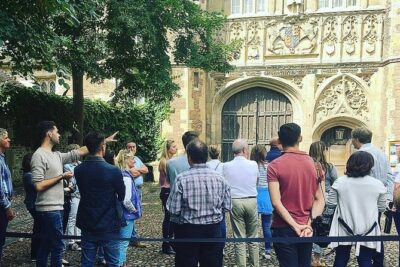
Cambridge University Walking Tour by Alumni™ Kings College Option
Read our review →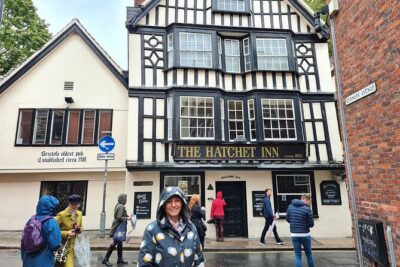
Blackbeard to Banksy – The Ultimate Walking Tour of Bristol
Read our review →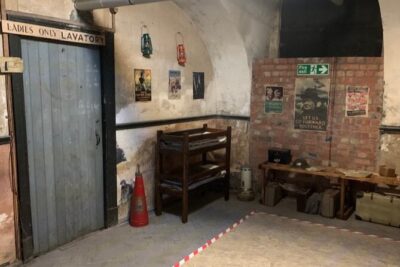
Air Raid Shelter + St. Nicholas Market Walking Tour
Read our review →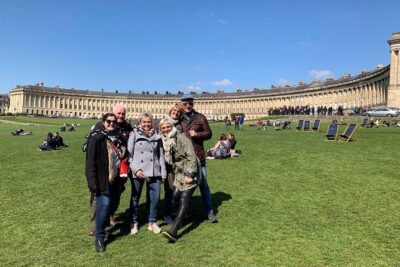
Walking Tour of Bath with Blue Badge Tourist Guide
Read our review →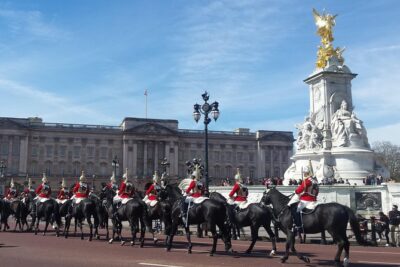
Changing of the Guard Guided Walking Tour in London
Read our review →Browse the lists this tour appears in