
Reviewed · WORKSHOPS
Hands-On Churros & Chocolate Class on a London Houseboat
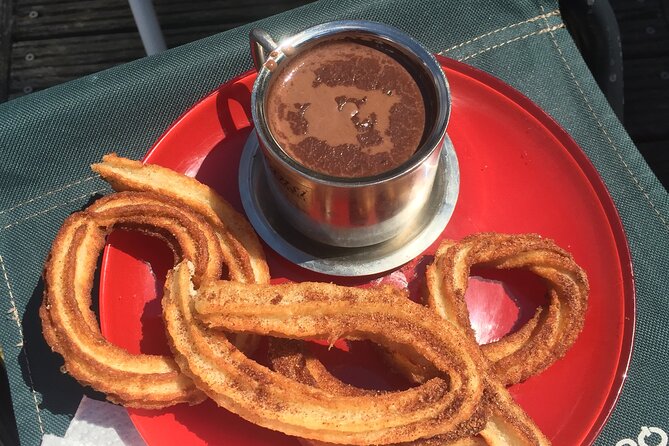
Churros taste better on the water. This two-hour class brings Spanish cooking to a Dutch barge in Canary Wharf, where half-Spanish host Tere teaches you to mix, fry, and pipe your own churros. I like the small maximum of four people and the chance to drink Spanish Cava while working. The main drawback is the price: at $117, it is costly for a short dessert class.
I also like that you eat what you make, rather than simply watching a demonstration. Tere shares practical techniques and Spanish traditions, and the houseboat setting gives the class a character you will not find in a standard cooking school. Still, the overall rating is based on only two reviews, so you should treat the experience as a small, personal food activity rather than a proven London classic.
In This Review
- Key points at a glance
- Arriving at the Canary Wharf houseboat
- Meeting Tere and learning the Spanish tradition
- Mixing dough for Spanish churros
- Frying and piping your own churros
- Chocolate sauce and the best part of the class
- Why the houseboat setting changes the experience
- Is $117 a fair price?
- Who should book this churros class?
- Booking, cancellation, and practical details
- Should you book it?
- FAQ
- Where does the churros class take place?
- What time does the class start?
- How long does the experience last?
- How many people can join the class?
- What do you make during the class?
- Can I cancel for a full refund?
Key points at a glance
- A Dutch barge in Canary Wharf: The class takes place on a houseboat at Boardwalk Place, adding a distinctly London setting to a Spanish food lesson.
- A maximum of four people: This is a close, hands-on class where you should have plenty of direct time with host Tere.
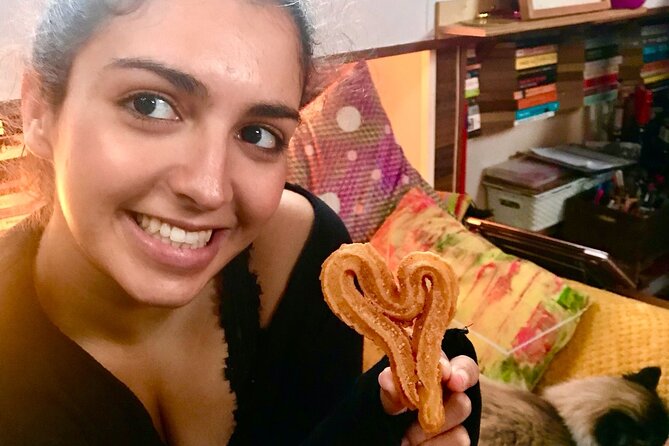
- You make every part of the churros: Expect to mix dough, fry it, pipe it, and prepare the chocolate for dipping.
- Spanish Cava is included in the atmosphere: You can sip Cava as the class unfolds.
- A real dessert, not just a demonstration: You eat your churros and chocolate after preparing them.
- A cheerful personal touch: Tere’s cat received special praise, adding to the home-style feel of the boat.
Arriving at the Canary Wharf houseboat
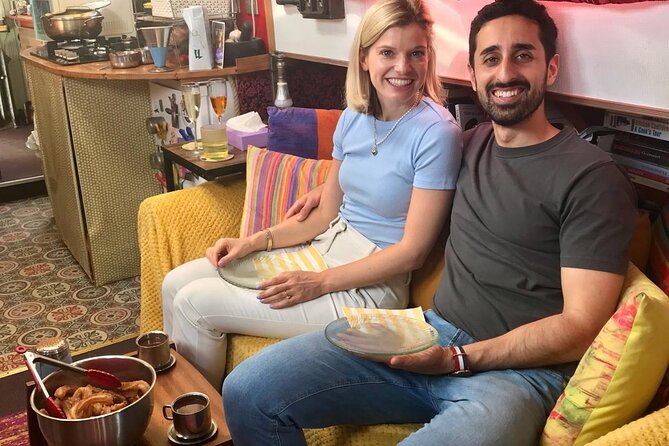
The meeting point is Boardwalk Place, London E14 5SH, with a start time of 12:00 pm. The location is near public transportation, which makes the activity reasonably easy to fit into a day in London. You will need to allow time to find the exact boarding point, since a houseboat meeting place is less obvious than a restaurant entrance.
The Canary Wharf setting gives the class a useful contrast. You are in one of London’s modern business districts, yet the activity takes place aboard a Dutch barge. That shift from office towers and city streets to a floating home helps make the class feel personal and unusual.
You board the boat at the beginning, then return to the same point when the class ends. That simple arrangement matters. You do not need to arrange a separate ride after dessert, and you can plan another Canary Wharf activity afterward.
The class lasts about two hours. At midday, it works well as a late breakfast, a sweet lunch, or a break between sightseeing stops. It is not an all-day cooking course, so you should think of it as a focused food activity with a strong setting.
More Workshops in London
- London Traditional English Scone Making and Tea Workshop
★ 5.0 · 271 reviews - Street Art Tour and Spray Painting Workshop in London
★ 5.0 · 98 reviews - Street Art Walking Tour and Workshop in London
★ 5.0 · 58 reviews
Meeting Tere and learning the Spanish tradition
Tere is half-Spanish and lives in London, a useful combination for this class. She can connect the food to Spanish customs while explaining how to make it in a London kitchen. Churros are often eaten in Spain for breakfast or as an afternoon snack, so this is more than a lesson in frying dough. It introduces a familiar part of everyday Spanish food culture.
The class is built around demonstrations and participation. Tere explains the stages, shows you the techniques, and then gives you the chance to do the work yourself. That format suits you if you like asking questions and learning by hand rather than sitting back with a prepared plate.
The maximum group size is four people. This is one of the strongest features of the experience. A small group should give you more room to handle the dough, watch the demonstrations clearly, and get help when you need it. It also changes the mood. You are not joining a large public workshop with a crowd gathered around one counter.
The trade-off is that a tiny class can feel more intimate than some people expect. If you prefer a lively group activity with lots of strangers, this may feel quiet. If you want direct guidance and a relaxed pace, the four-person limit is a real advantage.
Mixing dough for Spanish churros
The cooking begins with the churro dough. You take part in the preparation rather than receiving a ready-made mixture. Tere guides you through the process and explains the techniques needed to produce churros that are crisp outside and fluffy inside.
That texture is the heart of the lesson. Churros may look simple, but the result depends on how the dough is handled and how the finished pieces are shaped and cooked. A hands-on class lets you see the difference between simply eating a churro and understanding how it comes together.
You should expect this to be an active class. The description specifically includes mixing the dough, so you will have a role from the start. It is a good choice if you enjoy food activities where the final plate depends on your own work.
Tere’s teaching is also aimed at helping you repeat the recipe later. She shares culinary tips and techniques as she demonstrates each stage. The value is not just the dessert you eat on the boat. You leave with a better sense of how churros are made and what to pay attention to when preparing them again.
The information provided does not list a full menu of ingredients or substitutions. If you have an allergy, food restriction, or special diet, you need to communicate that when booking or before the class. Do not assume that the recipe can be changed at the last moment.
Frying and piping your own churros
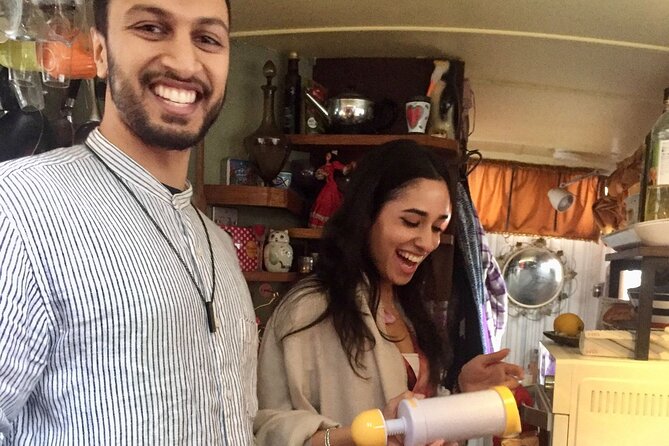
After the dough is prepared, you move on to frying and piping. These are the steps that make the class feel properly hands-on. You are not merely shaping a small sample while a chef handles the important work. The activity is designed for you to get involved in making the churros.
Piping gives the churros their familiar ridged shape. Frying creates the crisp outer layer, while the inside should remain soft and light. Tere’s guidance is important here because timing and technique affect the finished texture. You can watch her demonstrations, then try the process yourself.
This part may be especially appealing to families, couples, or friends who want a shared task. The activity has a playful side, and the small group setting should make it easier to work without feeling rushed. One positive account called the class fun, creative, and exciting, which fits the practical format well.
At the same time, a cooking class is not as predictable as ordering dessert. Your churros may not all look identical, and that is part of the point. The value comes from learning and making them yourself, not from receiving a perfect restaurant pastry.
The available information does not specify the exact frying setup or safety arrangements. You should follow Tere’s instructions carefully and expect her to lead you through the cooking process.
More dessert tours in London:
- Mayfair Chocolate Tour
★ 5.0 · 443 reviews - Ice Cream Tour of London
★ 5.0 · 18 reviews - Make Your own Amazing Chocolate in Notting Hill
★ 4.5 · 14 reviews - Melt Chocolate’s Magical Master Class
★ 4.5 · 10 reviews
Chocolate sauce and the best part of the class
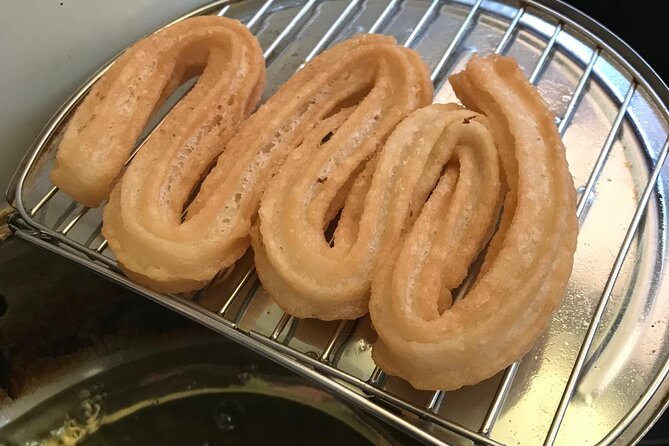
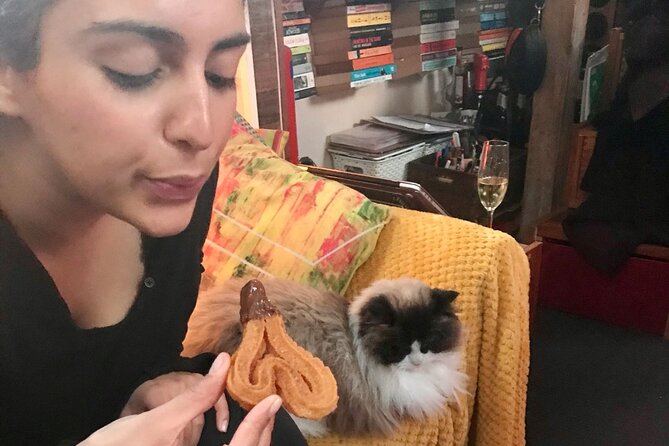
Once your churros are ready, you dip them into a rich chocolate sauce. This is the reward at the end, but it also completes the Spanish pairing. Churros and chocolate are traditionally enjoyed together, and the sauce turns the cooked dough into a full dessert rather than a plain fried snack.
I like the fact that the class ends with eating your own work. Some cooking activities spend most of the time on instruction and offer only a small taste at the end. Here, the central aim is clear: make churros, prepare the chocolate, and enjoy both together.
Spanish Cava adds another pleasant layer. You can sip it while the class is in progress, which makes the event feel more social and celebratory. It also suits the setting. You are not rushing through a technical pastry lesson. You are spending a couple of hours with food, drink, and a host in a private-feeling space.
This may not suit you if you want a full meal. Churros and chocolate are dessert, and the experience is presented as a pastry class. Plan another meal if you need something more substantial afterward.
Why the houseboat setting changes the experience
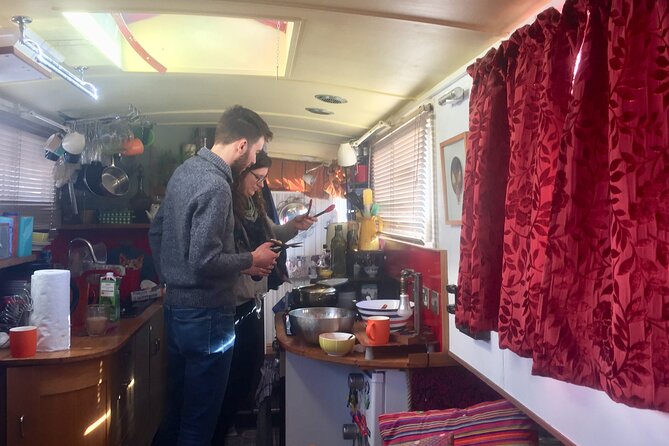
The Dutch barge is not just a meeting point. It is the reason this class feels different from a regular London cooking workshop. You are making a Spanish treat inside a floating home in Canary Wharf, combining a local London setting with food from Spain.
That contrast gives the activity its strongest sense of place. You could make churros in a kitchen anywhere, but you cannot always do so aboard a houseboat with a host who has a personal connection to Spain. The setting makes the class easy to remember and gives you something to talk about beyond the recipe.
The home-style atmosphere also seems important. Tere’s cat was singled out as a particularly charming part of the visit. You should not book this solely for the cat, of course, but the detail suggests a warm, informal environment rather than a polished commercial studio.
There are limits to the setting. A barge is likely to feel more compact than a purpose-built classroom, though the supplied details do not specify the exact layout or accessibility. If you need particular facilities or have mobility concerns, ask before booking. The listing only confirms that the activity is near public transportation and returns to its meeting point.
Is $117 a fair price?
At $117 per person, this is an expensive way to eat churros. You are not paying only for ingredients. The price covers a two-hour hosted activity, a very small group, hands-on instruction, Spanish Cava, the chocolate and churros, and the unusual houseboat venue.
The four-person maximum improves the value. In a large class, you might spend much of the time waiting or watching from a distance. Here, you should get more direct involvement with each step. That matters if your main goal is learning the technique rather than simply tasting the result.
The price is harder to justify if you are mainly looking for a quick snack or a cheap London food stop. A bakery or café will cost far less. You should choose this class for the combination of cooking, company, Spanish food culture, and setting.
I would consider it better value for someone marking a special occasion, arranging a date, or looking for a memorable small-group activity. It is less suitable for a budget-focused itinerary or for anyone who does not enjoy participating in cooking.
The rating of 3.5 from two reviews gives you limited evidence. The available detailed praise is strong, especially for the fun format and Tere’s personal touch, but there is not enough feedback to make broad claims about consistency. Keep that in mind when weighing the relatively high price.
Who should book this churros class?
You will probably enjoy this class most if you like food experiences that involve doing, not just tasting. It suits couples, friends, small families, and solo visitors who are comfortable joining a very small group.
It is also a good fit if you have already seen London’s major sights and want something less standard. Canary Wharf offers a different setting from central London, while the Spanish recipe gives the activity an international flavor.
The experience may appeal to anyone with an interest in Spain, home cooking, or baking. Tere’s half-Spanish background adds a personal connection that a generic cooking lesson may not offer.
You should think twice if you want a long culinary course, a complete meal, or a low-cost activity. The class focuses on one sweet dish and lasts about two hours. Its strength is charm and participation, not range.
If you have dietary restrictions, contact the host in advance. The booking information specifically asks for food restrictions to be communicated, and that is especially important in a small home-based class where there may be less flexibility on the day.
Booking, cancellation, and practical details
You receive confirmation at the time of booking, and the activity uses a mobile ticket. The meeting point is Boardwalk Place, London E14 5SH. Start time is noon, and the class ends back at that same location.
Free cancellation is available if you cancel at least 24 hours before the start time. Cancelling within 24 hours does not qualify for a refund, and changes made within that period are not accepted. The cut-off follows local London time, so check the timing carefully if you are booking from another time zone.
The class is operated through eatwith. Because the group is capped at four people, availability may be limited. That small size is part of the appeal, but it also means you should not wait until the last minute if the timing matters to you.
Should you book it?
Book this if you want a personal, unusual London food activity and are happy to pay for the setting as much as the dessert. The strongest reasons are the four-person group, Tere’s direct instruction, the chance to make every part of the churros, and the fun of doing it aboard a Dutch barge.
Skip it if you want a cheap snack, a full meal, or a broad cooking course. At $117, the value depends on enjoying the whole occasion: Cava, conversation, Spanish food customs, hands-on work, and a houseboat in Canary Wharf. For the right person, that combination makes the price easier to accept.
FAQ
Where does the churros class take place?
The class takes place aboard a Dutch barge houseboat at Boardwalk Place, London E14 5SH, in Canary Wharf.
What time does the class start?
The class starts at 12:00 pm.
How long does the experience last?
The class lasts approximately two hours.
How many people can join the class?
The activity has a maximum of four travelers.
What do you make during the class?
You make Spanish churros and chocolate sauce. The class includes mixing the dough, frying and piping the churros, and eating them with the chocolate.
Can I cancel for a full refund?
Yes. You can receive a full refund if you cancel at least 24 hours before the experience start time. Cancellations or changes made less than 24 hours before the start time are not accepted for a refund.
Just added in London
- Private Tour: Royal High Tea At Kensington Palace Gardens★ 5.0 · 39 reviews
- Private Tour: Personal Travel Photographer Tour in London★ 4.5 · 27 reviews
- London East End Private Walking Food Tour – Secret Food Tours★ 5.0 · 26 reviews
- Private Tour: Night Photography Tour in London★ 5.0 · 48 reviews
- London Like a Local, Private & Personalized (2-3 hrs)★ 4.5 · 11 reviews
- British Museum & National Gallery of London – Exclusive Guided Combo Tour★ 5.0 · 48 reviews
- Private Tour: Tower of London and St Paul’s Cathedral★ 5.0 · 1 review
- London Soho District – Exclusive Guided Walking Tour★ 5.0 · 2 reviews
Workshops, compared.
London Traditional English Scone Making and Tea Workshop
Read our review →

Street Art Tour and Spray Painting Workshop in London
Read our review →Browse the lists this tour appears in