
Reviewed · WALKING TOURS
Georgian Liverpool Walking Tour
Liverpool’s grandest stories begin on foot. This two-hour walk links Hope Street and Rodney Street, where merchants, doctors, politicians, and odd Victorian characters helped shape the city and the wider world. I like the focus on social history, not just dates and façades, and the small group limit of 12 should make it easier to ask questions. The main drawback is that you will spend the full tour outdoors, with cancellation possible in poor weather.
I also like the local angle. Guide Edward, born and raised in Liverpool, is described as a goldmine of information, especially on the city’s social past. The $39.95 price is fair if you value a strong guide and a manageable group, though you should know that the tour includes no interior admissions.
In This Review
- Key points to know before booking
- Why Liverpool’s Georgian quarter is worth your time
- Starting at 108 Mount Pleasant
- Hope Street: cathedrals, culture, and merchant ambition
- Rodney Street: doctors, politicians, and a pyramid tomb
- A local guide can change the feel of the walk
- What the $39.95 price really buys you
- The Victoria Museum after the walk
- Who will enjoy this Liverpool walk most
- Should you book the Georgian Liverpool Walking Tour?
- FAQ
- How long does the Georgian Liverpool Walking Tour last?
- How much does the tour cost?
- Where does the tour begin?
- Where does the tour finish?
- What is included in the price?
- How large is the tour group?
- Can I cancel for a full refund?
Key points to know before booking
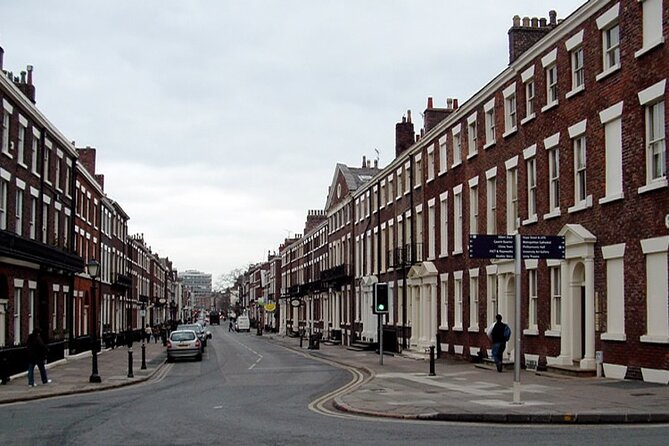
- Hope Street connects Liverpool’s two cathedrals, with grand houses, sculptures, restaurants, bars, and cultural buildings along the way.
- Rodney Street looks much as it did in the 19th century, making it one of the city’s best areas for Georgian architecture.
- The tour covers two one-hour stops, with the entire experience lasting about two hours.
- The group is capped at 12 people, a useful size for a street-based history walk.
- Edward brings a local voice, while LiverpoolGO has also helped solo customers join when the usual minimum was an issue.
- The Victoria Museum is no longer part of the walk, but your guide can point you toward the original University of Liverpool building afterward.
Why Liverpool’s Georgian quarter is worth your time
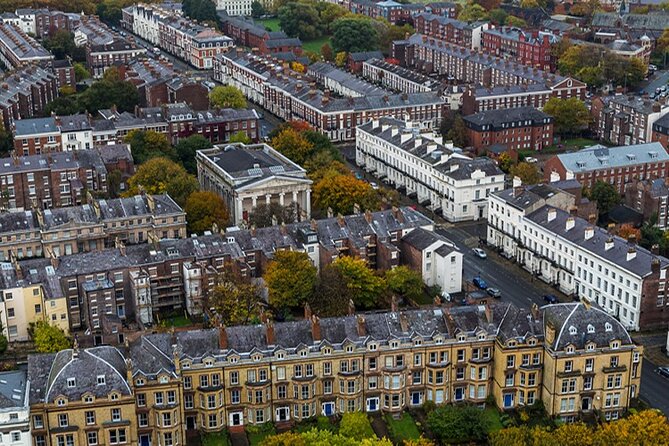
Liverpool is often introduced through its waterfront, Beatles connections, and grand commercial buildings. Those are important, but they do not tell the whole story. To understand how the city grew powerful, wealthy, and socially complicated, you need to look uphill toward the streets where prosperous merchants and professionals built their homes.
The late Georgian and early Victorian periods were a turning point. Liverpool was at the height of its trading power, and successful merchants wanted fine houses away from the crowded town center. Hope Street and Rodney Street grew during this period, giving the city a residential district filled with status, ambition, and changing ideas.
That is what makes this walk different from a general city orientation. You are not simply being shown attractive buildings. You are being asked to connect architecture with the people who lived there, the work that made them wealthy, and the discoveries and social changes that followed.
The tour is also compact. At about two hours, it can fit neatly into a morning or afternoon without taking over your day. I would especially consider it early in a Liverpool visit, since the walk can help you understand the Georgian quarter before you explore it on your own.
More Walking Tours in Liverpool
- A Walk Through Time: History of Liverpool Walking Tour
★ 5.0 · 911 reviews - Liverpool Ghost Walking Tour
★ 5.0 · 862 reviews - Beatles Famous Walking Tour Of Liverpool- Fully Guided
★ 5.0 · 751 reviews
Starting at 108 Mount Pleasant
The meeting point is 108 Mount Pleasant, Liverpool L3 5UZ. From there, the route concentrates on Hope Street and Rodney Street, with each area receiving roughly an hour.
The starting location puts you in the right part of the city from the outset. This is not a tour that spends its first half on a long transfer to the real subject. You begin close to the historic streets, so the guide can quickly establish how Liverpool expanded beyond its older commercial core.
Because the tour is delivered by a professional guide rather than an audio app, the pace can respond to the group. That matters on a walking route. You can stop for a detail on a doorway, ask about a former resident, or pause to examine a sculpture without losing the thread of the story.
The mobile ticket keeps the practical side simple. You should still allow enough time to reach Mount Pleasant, since the meeting point is specific and the activity returns there at the end. The tour is near public transportation, and most people can take part, but it remains a walking experience with no indoor refuge promised along the route.
Hope Street: cathedrals, culture, and merchant ambition
Hope Street is the more social and cultural half of the walk. Today, it has bars, restaurants, a theatre, and a bohemian feel, yet its older identity is still visible in the buildings and public art.
The street takes its name from William Hope, a merchant whose house once occupied the site where the Philharmonic Hall now sits. That detail gives you a useful way into the area’s past. Hope Street was not planned as a neutral residential lane. It reflected the rise of wealthy commercial families who wanted space, status, and a better address.
One of the street’s strongest visual features is its connection between Liverpool’s two cathedrals. That makes the route easy to understand geographically, even if you know little about the city. Along the way, the mix of religious, public, and cultural buildings shows how the area changed from an elite residential district into one of Liverpool’s major cultural corridors.
Hope Street has also received modern recognition. The Academy of Urbanism named it the best street in the United Kingdom and Ireland in 2013, and the renovated Everyman Theatre won the 2014 Stirling Prize for architecture. These awards are not the main reason to take the tour, but they help explain why the street continues to draw attention today.
I would expect the guide to use these modern landmarks as bridges to older stories. A theatre renovation can lead into a discussion of changing public life. A sculpture or grand façade can open a conversation about who had money, who had influence, and who was left outside the elegant front door.
The drawback is that Hope Street is not preserved as a silent museum street. It is an active part of Liverpool, with restaurants, traffic, businesses, and modern buildings. If you want a perfectly frozen Georgian setting, this will feel less pure. If you prefer history that still functions as part of daily city life, that mix is a strength.
Rodney Street: doctors, politicians, and a pyramid tomb
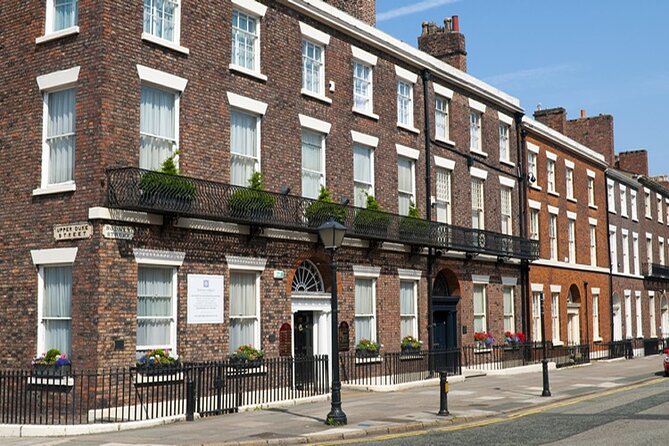
Rodney Street is likely to be the most rewarding stop for architecture. It remains recognisable from the 19th century, with Georgian buildings that give you a clearer sense of the residential quarter Liverpool’s wealthy families created.
The street is also known for its medical connections. Many doctors have practised here, leading to its nickname, the Harley Street of the North. That association gives the tour a useful shift in tone. Hope Street links commerce, culture, and public life. Rodney Street brings in medicine, professional status, and the sometimes uncomfortable side of Victorian society.
The street has links to Edinburgh’s resurrectionists, the grave robbers who supplied bodies for medical study. This is one of the more unusual subjects connected to the route, and it helps explain why medical education in the period could be both groundbreaking and disturbing. The story is not just a piece of macabre trivia. It points to the ethical problems that accompanied advances in anatomy and medicine.
Rodney Street has also been home to a prime minister, major merchants, and industrialists. Those names and connections give the guide plenty to work with, but the value lies in how the stories are connected. You can see the houses as more than handsome stone fronts. They become evidence of a city whose commercial wealth supported politics, industry, and medicine.
Then there is the street’s pyramid tomb. It is exactly the sort of strange, memorable detail that can make a walking tour stick in your mind long after you leave Liverpool. You might pass an ordinary-looking Georgian building, hear about a prominent former resident, and then encounter a burial monument that seems to belong in a different city altogether.
Rodney Street has also appeared in major film and television productions, including Peaky Blinders. That may appeal to fans of the series, but the tour does not depend on screen fame. The filming connection is best treated as an extra layer over the street’s older identity.
A completely different sort of day out:
- Beatles Magical Mystery Tour
★ 5.0 · 9,266 reviews - Liverpool: “Blue Route” – City & Beatles Tour
★ 5.0 · 8,562 reviews - Liverpool City Sights Hop On Hop Off City Tour – 24hr Ticket
★ 4.5 · 2,555 reviews - The LFC Stadium Tour
★ 5.0 · 1,548 reviews
A local guide can change the feel of the walk
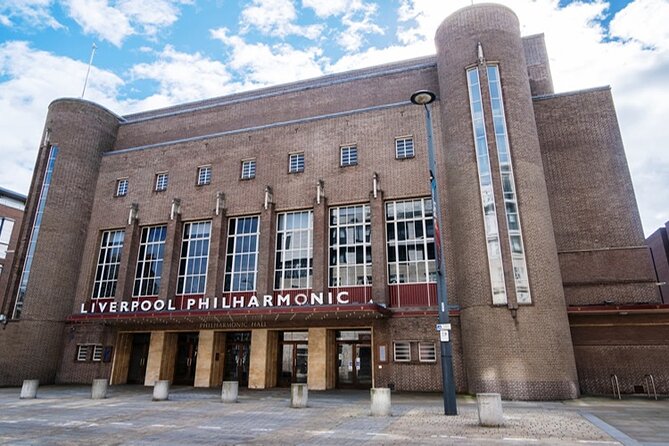
The guide is central to the value here. LiverpoolGO provides a professional guide, and Edward is specifically described as Liverpool-born and bred. That local connection matters because this tour deals with people, neighborhoods, and social change, subjects that benefit from a sense of place.
The strongest praise attached to the experience focuses on the depth of detail, particularly Liverpool’s social history. I would want a guide to explain not only who lived on these streets, but also how their choices affected ordinary life and larger developments. The tour description promises exactly that kind of connection, linking famous residents to changes many people now take for granted.
There is also a useful sign of flexibility for solo customers. The usual arrangement requires at least two people, but Luke at LiverpoolGO helped make a booking work for a person visiting alone. That does not guarantee every solo booking will be accepted, so I would contact the operator before relying on the tour as your only plan. Still, it suggests a human approach to small booking problems.
The group limit of 12 is another plus. A small party should make the walk less anonymous than a large city tour. You are more likely to hear the guide clearly, keep up with the route, and ask a question about a building or resident.
The available feedback is limited, so I would not treat the perfect five-star score as a guarantee of a particular guiding style. Still, the two comments point in the same direction: detailed information and a strong focus on Liverpool’s social past. Those are the reasons I would book this experience, rather than expecting a broad introduction to every major sight in the city.
What the $39.95 price really buys you
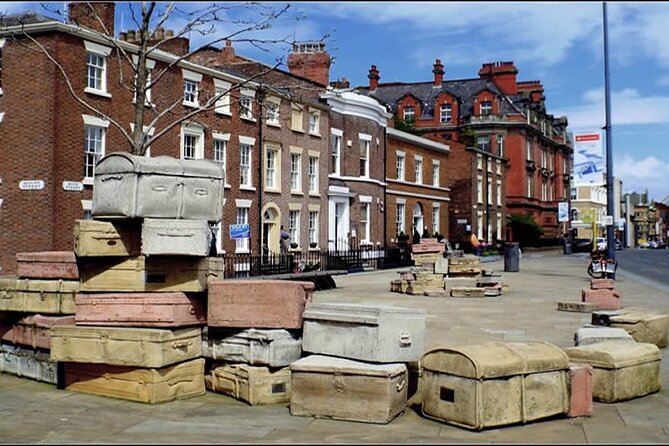
At $39.95 per person, this is not the cheapest way to walk through Liverpool. You are paying for about two hours with a professional guide, a planned historical route, and a group capped at 12 people.
There are no admission tickets included, but that is not a major concern here. Hope Street and Rodney Street are public streets, and the heart of the experience is the guide’s interpretation of what you see. The price makes sense if you enjoy asking questions and want context that is hard to get from a quick self-guided stroll.
The value is weaker if you mainly want to cover a large number of landmarks quickly. This is a focused neighborhood walk, not a full Liverpool highlights tour. You will not spend the session inside museums, cathedrals, or historic houses based on the information provided.
The fact that it is often booked about 33 days ahead suggests that you should not leave it until the last minute, especially if your schedule is fixed. I would book early if this is a priority, then keep an eye on the weather because the experience requires suitable conditions.
The Victoria Museum after the walk
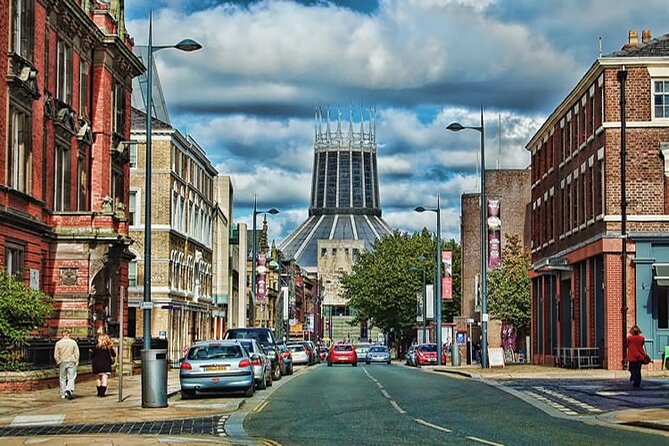
The Victoria Museum is no longer part of the route, but the guide can show you how to reach it afterward. The museum is housed in the original University of Liverpool building and contains medical objects from the Victorian period, including material that can be gruesome.
This makes it a natural follow-up to Rodney Street’s medical stories. If the discussion of doctors, anatomy, and resurrectionists catches your interest, you can continue the subject independently after the walk.
Do not count on this as an included visit. The guide’s role is to direct you there, not to add the museum to the two-hour tour. I would treat it as an optional extra for a later stop, with the understanding that the tour itself remains outdoors.
Who will enjoy this Liverpool walk most
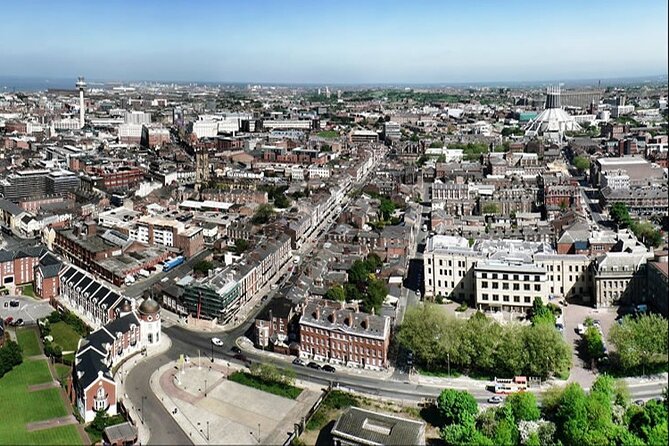
I would recommend this tour to you if you like architecture with a human story attached. The route suits people who want to know why a street looks the way it does, who lived there, and how those residents fit into Liverpool’s growth.
It also fits well for repeat visitors. If you already know the waterfront or central shopping streets, Hope Street and Rodney Street offer a more focused look at the city’s Georgian and Victorian character.
History fans should find plenty to enjoy, especially if medicine, urban development, famous residents, or social change interest you. The pyramid tomb and resurrectionist stories add some dark Victorian flavor without changing the tour into a ghost walk.
I would be less likely to recommend it to you if you need indoor attractions, dislike walking, or want a tour centered on the Beatles and waterfront. It is also not the right pick if you expect extensive access to buildings. The available details point to an outdoor street tour with free admission at each stop.
The experience is suitable for most people, and service animals are allowed. It requires good weather, so you should keep some flexibility in your Liverpool plans.
Should you book the Georgian Liverpool Walking Tour?
I would book it if you want a short, specialized tour that explains how Liverpool’s wealth shaped its streets and people. The combination of Hope Street’s cultural buildings, Rodney Street’s Georgian homes, medical connections, and unusual burial monument gives you plenty of memorable material in two hours.
The best reason to choose it is the guide-led interpretation, especially with a local guide such as Edward. The main caution is scope: you are buying a focused neighborhood walk, not entry to major attractions or a complete city tour.
At $39.95, the value depends on how much you enjoy context. If you want Liverpool to feel like more than a collection of famous names and attractive buildings, this is a good use of an afternoon. Book ahead, confirm the meeting point at 108 Mount Pleasant, and leave room in your schedule for poor-weather changes.
FAQ
How long does the Georgian Liverpool Walking Tour last?
The tour lasts approximately two hours. Hope Street and Rodney Street each receive about one hour.
How much does the tour cost?
The listed price is $39.95 per person.
Where does the tour begin?
The meeting point is 108 Mount Pleasant, Liverpool L3 5UZ, United Kingdom.
Where does the tour finish?
The activity ends back at the meeting point.
What is included in the price?
The services of a professional guide are included. The public street stops have no admission charge, and the Victoria Museum is not part of the tour.
How large is the tour group?
The maximum group size is 12 people.
Can I cancel for a full refund?
Yes. You can cancel at least 24 hours before the start time for a full refund. Changes or cancellations made less than 24 hours before the start time are not accepted for a refund. If poor weather or an insufficient number of bookings cancels the tour, you will be offered another date or experience, or a full refund.
Just added in Liverpool
- Scouse Safari private 3 hour authentic Liverpool experience★ 5.0 · 2 reviews
- LIVERPOOL: Yorkshire Adventure – Sightseeing Day Trip Tour★ 5.0 · 13 reviews
- The Story of Liverpool 2-Hour Walking Tour★ 5.0 · 3 reviews
- Half Day Welcome to Liverpool Walking Tour★ 5.0 · 17 reviews
- Liverpool City Scavenger Hunt Excursion by Zombie Scavengers★ 5.0 · 1 review
- Fun, Flexible Treasure Hunt Around Liverpool with Cryptic Clues & Hidden Gems★ 5.0 · 141 reviews
- Beatles Ticket To Ride Half Day Tour Small Groups★ 5.0 · 60 reviews
- Small-Group: Experience Local Food Tour in Liverpool★ 5.0 · 32 reviews
Walking Tours, compared.
Oxford University Walking Tour With University Alumni Guide
Read our review →
Tour for Muggles The Ultimate Harry Potter Walking Tour in London
Read our review →
Cambridge University Walking Tour by Alumni™ Kings College Option
Read our review →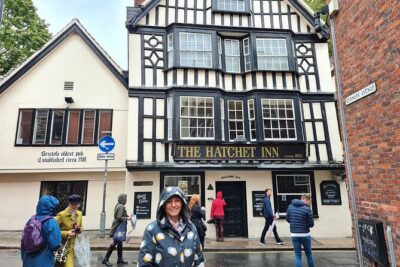
Blackbeard to Banksy – The Ultimate Walking Tour of Bristol
Read our review →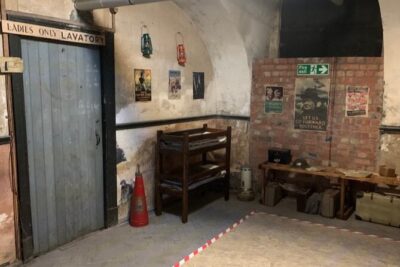
Air Raid Shelter + St. Nicholas Market Walking Tour
Read our review →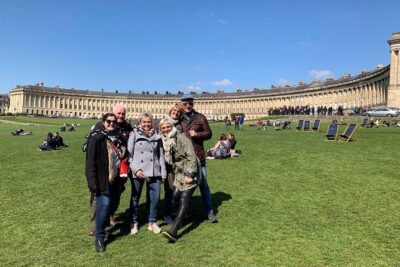
Walking Tour of Bath with Blue Badge Tourist Guide
Read our review →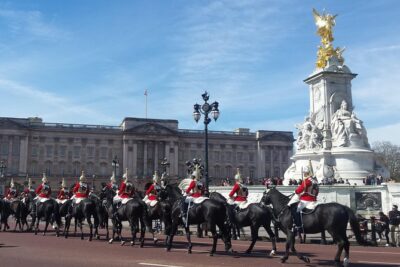
Changing of the Guard Guided Walking Tour in London
Read our review →Browse the lists this tour appears in