
Reviewed · WALKING TOURS
The Story of Liverpool 2-Hour Walking Tour
Liverpool rewards a good first walk. This two-hour introduction links the waterfront, merchant wealth, Titanic connections, and major landmarks in one easy-paced route. I like the way it tackles both Liverpool’s proud achievements and the darker profits behind them, and I like that guide Wendy was described as especially accommodating. The main consideration is that the tour only opens the door to these subjects, so you may want more time afterward to explore them properly.
The walk costs $40.22 per person and usually runs with no more than 12 people. That small group, the mobile ticket, and the gentle pace make it a useful first activity, especially if you have only a short stay. Rain can be a nuisance, though, since this is an outdoor tour and poor weather may force a change of date or cancellation.
In This Review
- Key points to know before you book
- Why this is a smart first look at Liverpool
- Starting with Titanic’s engine room heroes
- St Nicholas Church and Liverpool’s older waterfront
- Tithebarn Street and Liverpool’s Confederate connection
- Liverpool Town Hall and the symbols of wealth
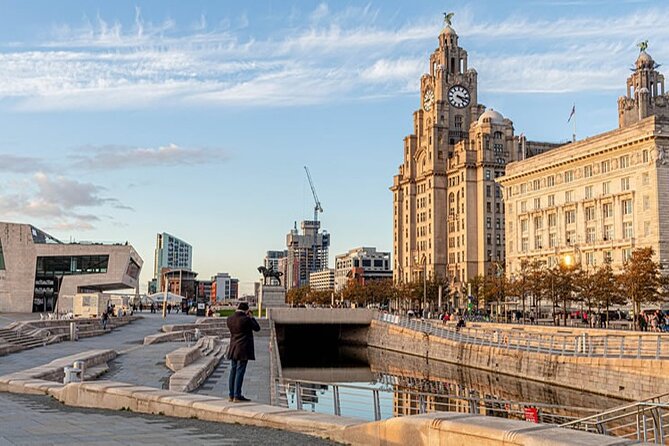
- The Royal Liver Building and Liverpool’s best-known landmark
- Albion House and the White Star Line
- Pier Head and the Three Graces
- Albert Dock and the wartime story
- Salthouse Dock, Canning Dock, and the docks’ working past
- Thomas Steers Way and the Old Dock outline
- How the price and small group affect value
- Who should book this Liverpool walk?
- Booking, cancellation, and final advice
- FAQ
- How long does The Story of Liverpool walking tour last?
- How much does the tour cost?
- What language is the tour offered in?
- Where does the tour start?
- Where does the tour end?
- How many people can join the tour?
- Can I cancel for a full refund?
Key points to know before you book
- Titanic and Liverpool’s seafaring past: You visit the memorial to the engine room heroes and see Albion House, former headquarters of the White Star Line.
- A frank look at merchant wealth: The route explains how slavery, slave-produced goods, Confederate trade, and shipping helped build Liverpool’s grand buildings.
- A strong waterfront focus: The Three Graces, Pier Head, Albert Dock, and the docks provide the visual backbone of the walk.
- Easy two-hour format: The pace is relaxed, with short stops rather than long indoor visits.
- Small maximum group: The tour is limited to 12 people, making it easier to hear the guide and ask questions.
- Useful for planning the rest of your stay: The guide can suggest museums and other places to visit at the end.
Why this is a smart first look at Liverpool
Liverpool can feel scattered when you first arrive. The city centre, riverfront, old commercial streets, Albert Dock, and shopping district each tell part of the story. This walk ties them together without asking you to spend a full day on your feet.
The tour is especially useful if you have only a few hours in Liverpool. You get a basic map in your head, see several major buildings, and learn which museums deserve a closer look. If you are staying longer, the walk still works well at the beginning of your visit because it gives you a framework for later sightseeing.
I also appreciate the balance in the subject matter. Liverpool’s grand architecture is not presented as a simple tale of commercial success. The guide discusses merchants who became wealthy through the slave trade or through goods made by enslaved people in the Americas. That context gives the Town Hall, banks, docks, and shipping offices a more honest meaning.
This is not a museum tour, and admission to the individual stops is not included because the route is mainly outdoors. You see buildings, monuments, streets, and dock areas from the outside. The value comes from the guide’s explanations and connections between places.
More Walking Tours in Liverpool
- A Walk Through Time: History of Liverpool Walking Tour
★ 5.0 · 911 reviews - Liverpool Ghost Walking Tour
★ 5.0 · 862 reviews - Beatles Famous Walking Tour Of Liverpool- Fully Guided
★ 5.0 · 751 reviews
Starting with Titanic’s engine room heroes
The meeting point is the Memorial to the Marine Engine Room Heroes near St Nicholas Place, beside Canada Boulevard. Check the exact wording when you book, since the tour information also refers to it as the Memorial to the Engine Room Heroes of the Titanic.
The opening subject is powerful and easy to miss. When Titanic sank, the engineers kept the ship’s electrical power running almost until the end. The wireless system continued operating until about ten minutes before the sinking, while the lights failed only two minutes before the ship went down. None of the engineers survived.
That detail changes the usual Titanic story. It shifts attention away from the famous passengers and toward the workers below deck who kept the ship functioning during its final minutes. The memorial gives the tour an immediate human focus.
You spend only about five minutes here, so do not expect a long memorial visit. It is an introduction, not a full Titanic presentation. Still, it sets up the maritime themes that return later at Albion House and Pier Head.
St Nicholas Church and Liverpool’s older waterfront
From the memorial, the route reaches Our Lady and Saint Nicholas Church and its garden. This is one of Liverpool’s oldest buildings, and its position helps you picture how different the waterfront once was.
Before land reclamation created George’s Dock, the River Mersey reached the church steps at high tide. Today, the surrounding city makes that old shoreline hard to imagine, which is why this stop matters. A guide can help you connect the modern street plan with the vanished edge of the river.
The church also brings the subject of slavery closer to home. Slave traders worshiped and were buried here, including Bryan Blundell. That is uncomfortable information, but it belongs in any honest account of Liverpool’s commercial past.
You get around ten minutes at this stop. The tour does not appear to include an interior visit, so the interest is in the building, its setting, and the people connected with it. If religious architecture is a priority for you, ask the guide what can be seen inside or return later on your own.
Tithebarn Street and Liverpool’s Confederate connection
At Tithebarn Street, the tour turns to the American Civil War. Britain officially remained neutral, but many Liverpool merchants supported the Confederacy. The route points out what is described as the unofficial Confederate Embassy and explains the company that acted as an unofficial bank for the Confederate states.
This is a good example of the tour’s approach. Instead of giving you only famous buildings, it uses streets and offices to explain the political and commercial networks behind Liverpool’s port economy. The stop lasts about ten minutes, enough for an introduction without turning into a lecture.
The subject may be unfamiliar to many people visiting from outside Britain. It also shows why Liverpool’s history cannot be separated from international trade. The city’s merchants operated across the Atlantic, and their business interests often carried political weight.
A completely different sort of day out:
- Beatles Magical Mystery Tour
★ 5.0 · 9,266 reviews - Liverpool: “Blue Route” – City & Beatles Tour
★ 5.0 · 8,562 reviews - Liverpool City Sights Hop On Hop Off City Tour – 24hr Ticket
★ 4.5 · 2,555 reviews - The LFC Stadium Tour
★ 5.0 · 1,548 reviews
Liverpool Town Hall and the symbols of wealth
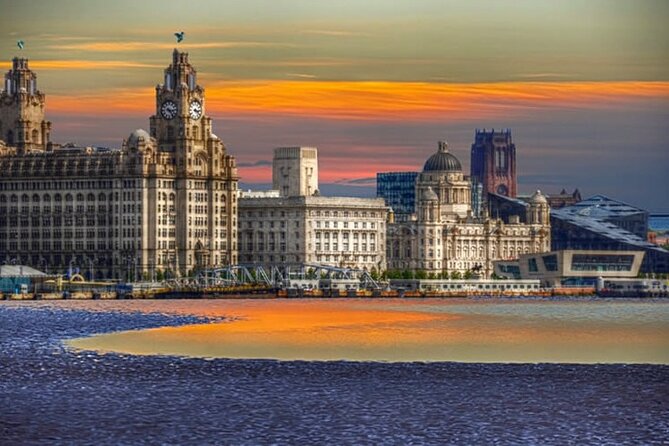
Liverpool Town Hall is one of the visual highlights of the walk. The building’s design and decoration reflect the money available to the merchants who funded it. Around the frieze, you can see carvings connected with the trade that made Liverpool wealthy, including elephants, camels, African people, ivory, plants, and animals.
Take time to look up. On a walking tour, it is easy to admire the grand façade and move on. The guide’s job here is to point out what the decoration is saying about Liverpool’s trade and status.
This stop also makes the tour’s moral context visible. The city’s wealth appears in stone and ornament, but the sources of that wealth included exploitation and slavery. I value that the walk does not treat the architecture as neutral scenery.
The scheduled visit lasts about ten minutes. That is long enough to examine the exterior and hear the main explanation. If you want to see the interior, confirm separately whether it is open during your visit, since this experience is built around an outdoor route.
The Royal Liver Building and Liverpool’s best-known landmark
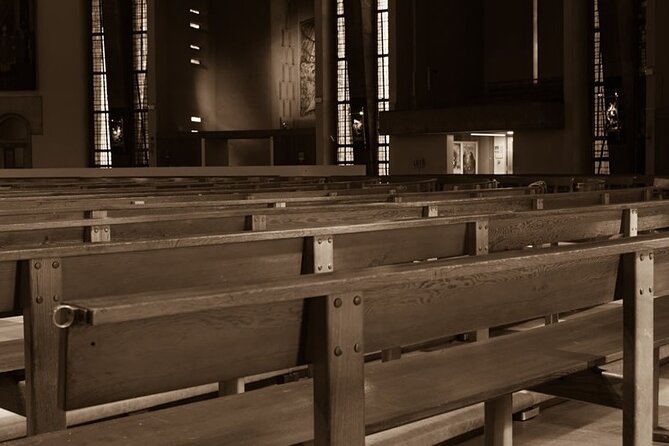
The Royal Liver Building is the star of the walk. It is probably the building most closely associated with Liverpool, and the guide explains both its construction and what occupied the site before it was built.
You get about ten minutes here, which gives you time to take in the scale and position of the building. Its setting at the waterfront makes it part of the larger Three Graces group, not an isolated monument.
The value of a guide is clear at a stop like this. You can photograph the façade on your own, but the questions about the earlier site and the building’s construction add a layer you would miss by simply walking past. The tour helps you see the Royal Liver Building as part of Liverpool’s commercial story rather than only as a famous photo stop.
Albion House and the White Star Line
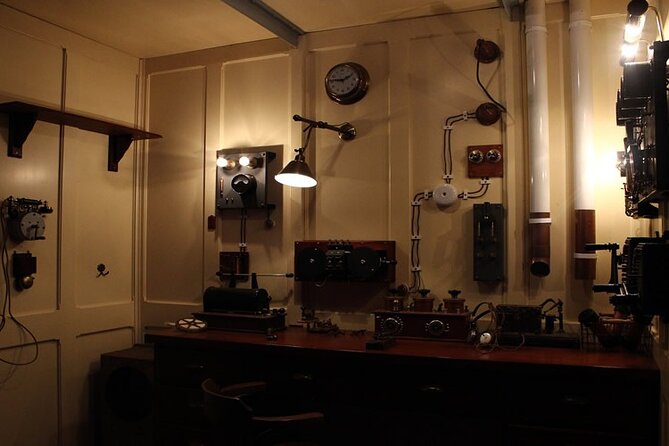
The route then returns toward the waterfront and reaches Albion House, once the headquarters of the White Star Line. Titanic’s connection to Liverpool becomes more direct here.
The guide points out the balcony where White Star Line staff read the names of those who died after the sinking in 1912. If you know the film Titanic, this location may feel familiar, but the real setting gives the story a stronger local connection.
This is another brief stop, about five minutes. Do not expect a lengthy Titanic exhibit or an indoor tour. You are looking at the building and hearing why it mattered.
Taken together, the engine room memorial, the White Star Line office, and the waterfront make a useful short introduction to Liverpool’s role in ocean travel. The tour does not try to cover every Titanic fact. Instead, it shows you several physical places connected with the event.
Pier Head and the Three Graces
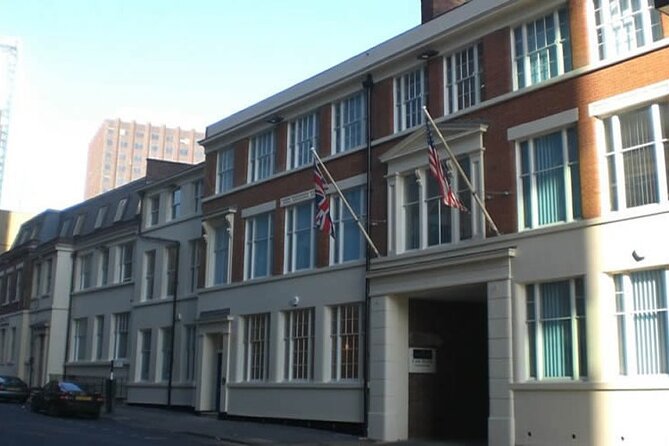
At Pier Head, the focus widens again. You learn about the Mersey Tunnel, an important engineering project, before seeing the remaining two buildings in the Three Graces: the Cunard Building and the Mersey Docks and Harbour Board Building.
This is one of the best points for understanding Liverpool’s waterfront architecture. The Royal Liver Building, Cunard Building, and Mersey Docks and Harbour Board Building form a group, and each reflects a different part of the port’s power and business life.
The stop takes around 15 minutes, one of the longer pauses on the route. That gives you more time to compare the buildings, listen to the engineering story, and take photographs.
The wide waterfront setting can also be exposed to rain and wind. The previous review describing pouring rain is a useful warning: bring suitable clothing, even if the weather looks harmless when you start. The tour depends on good conditions, and bad weather can result in a new date or a full refund.
Albert Dock and the wartime story
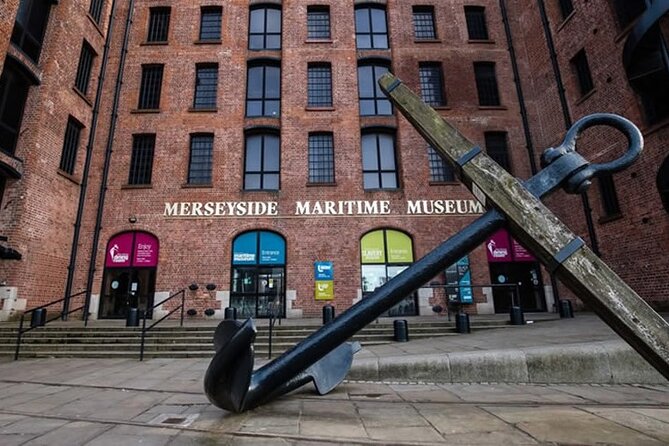
The walk continues through Albert Dock, where the guide explains how the dock was designed and built and what role it played during the Second World War. You also pass the Tate Gallery, the Maritime Museum, and the International Slavery Museum.
This part of the route is practical as well as historical. The guide can point out places that deserve a return visit, allowing you to use the walking tour as a quick preview of Liverpool’s museum quarter.
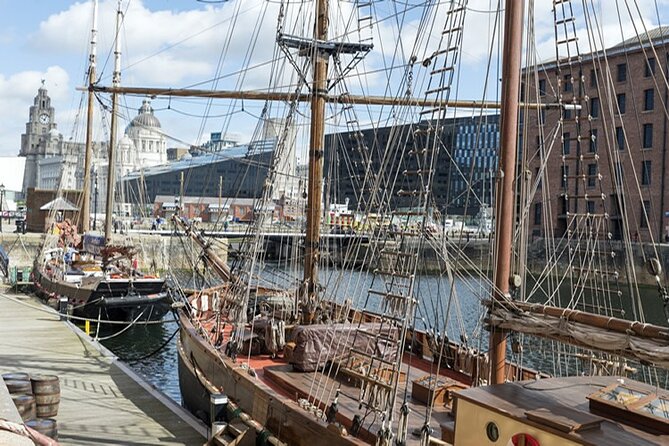
Albert Dock is a good place to pause after the denser material about trade and shipping. Its buildings and open dock basin make the city’s port identity easy to understand. The tour gives you about 15 minutes here, so you get an introduction rather than enough time to visit the museums.
If the International Slavery Museum interests you, plan a separate visit. The walking tour gives useful context, but it cannot replace the museum’s fuller treatment of the subject.
Salthouse Dock, Canning Dock, and the docks’ working past
At Salthouse Dock and Canning Dock, you hear about stones from Liverpool Castle that were used in construction. The route also passes the Graving Docks, where slave ships were refurbished after difficult transatlantic voyages before returning to Africa.
This stop brings the machinery of the port into view. You are not only hearing about ships arriving and leaving. You are learning how the docks supported repeated trading journeys and how the physical infrastructure helped sustain that system.
The scheduled time is about ten minutes. The information is serious, and some visitors may find the pace quick given the weight of the subject. If you want to remember specific details, keep your phone ready for brief notes after the guide finishes speaking.
Thomas Steers Way and the Old Dock outline
The walk ends at Thomas Steers Way, near the L1 shopping complex and Liverpool city centre. In the pavement, you can see the outline of the Old Dock. A glass viewing panel lets you look at part of the dock below ground.
This is a fitting end because it shows how Liverpool’s present city centre sits over earlier layers of the port. The stop takes around ten minutes, and the guide can help you plan the rest of your time in the city.
The endpoint is convenient for continuing sightseeing or shopping. It also makes sense as a finish because you are close to central Liverpool rather than being left at an isolated meeting point.
The tour information also includes Liverpool Water Street, where you can see the former Bank of Liverpool building. This stop is listed separately from the main route details, so confirm with the guide how it fits into the walk on your date. The bank even issued its own currency notes, another small detail that helps explain the scale of Liverpool’s commercial life.
How the price and small group affect value
At $40.22 per person, this is not the cheapest way to spend two hours in Liverpool. You can walk around the waterfront without paying an admission fee. The question is whether the connections and explanations are worth the cost.
For me, the answer depends on your plans. If you already know Liverpool well, prefer independent sightseeing, or intend to visit only one landmark, the price may feel high. If this is your first visit, the walk covers a lot of ground and gives you a clear starting point for later museum visits.
The maximum group size is 12 people, which helps. A small group makes it easier to hear the guide at busy streets and gives you a better chance to ask about subjects that interest you. The easy pace is another strong point. One review specifically praised the amount of information, the straightforward walk, and the manageable speed, even though heavy rain made the day less comfortable.
The tour is offered in English only. Most people can participate, and service animals are allowed. It is near public transportation, though the provided meeting details do not specify individual bus or rail routes.
Who should book this Liverpool walk?
I would choose this tour if you have limited time, want an overview before visiting museums, or prefer learning through buildings and streets rather than spending two hours indoors. It should suit people interested in shipping, Titanic, architecture, trade, slavery, and Liverpool’s civic history.
It is also a good fit for a first morning or afternoon in the city. You can use the guide’s final recommendations to decide how to spend the rest of your stay.
I would think twice if you dislike outdoor sightseeing in uncertain weather. The route is exposed, and the experience requires good weather. You should also know that the pace leaves only a short time at each stop, so anyone wanting detailed architectural study or a full Titanic account will need additional visits.
Booking, cancellation, and final advice
The tour costs $40.22, takes about two hours, and is commonly booked around 34 days ahead. That advance booking pattern suggests you should reserve early if your schedule is fixed, especially since the experience has a minimum number of participants and a group limit of 12.
You can cancel for a full refund up to 24 hours before the start time. Changes or cancellations inside that window are not accepted for a refund. If poor weather or low participation cancels the tour, you are offered another date or a full refund.
Book it if you want a clear first map of Liverpool and appreciate a guide who connects impressive buildings with the less comfortable forces that paid for them. Skip it if you only want entry inside attractions or prefer to explore at your own speed. For most first-time visitors with two hours to spare, the mix of Titanic stories, waterfront architecture, dock history, and practical orientation makes the price reasonable.
FAQ
How long does The Story of Liverpool walking tour last?
The tour lasts approximately two hours.
How much does the tour cost?
The listed price is $40.22 per person.
What language is the tour offered in?
The tour is offered in English.
Where does the tour start?
It starts at the Memorial to the Marine Engine Room Heroes at St Nicholas Place, Canada Boulevard, Liverpool L3 1QW, United Kingdom.
Where does the tour end?
It ends at Thomas Steers Way, Liverpool L1, near the L1 shopping complex and Liverpool city centre.
How many people can join the tour?
The maximum group size is 12 people.
Can I cancel for a full refund?
Yes. You can cancel at least 24 hours before the experience start time for a full refund. Cancellations or changes made less than 24 hours before the start are not refunded or accepted.
Just added in Liverpool
- Scouse Safari private 3 hour authentic Liverpool experience★ 5.0 · 2 reviews
- LIVERPOOL: Yorkshire Adventure – Sightseeing Day Trip Tour★ 5.0 · 13 reviews
- Liverpool City Scavenger Hunt Excursion by Zombie Scavengers★ 5.0 · 1 review
- Half Day Welcome to Liverpool Walking Tour★ 5.0 · 17 reviews
- Fun, Flexible Treasure Hunt Around Liverpool with Cryptic Clues & Hidden Gems★ 5.0 · 141 reviews
- Beatles Ticket To Ride Half Day Tour Small Groups★ 5.0 · 60 reviews
- Small-Group: Experience Local Food Tour in Liverpool★ 5.0 · 32 reviews
- The Liverpool Pass®: All top attractions inc. Hop-On Hop-Off Bus Tour | 2-Days★ 4.5 · 11 reviews
Walking Tours, compared.

Oxford University Walking Tour With University Alumni Guide
Read our review →
Tour for Muggles The Ultimate Harry Potter Walking Tour in London
Read our review →
Cambridge University Walking Tour by Alumni™ Kings College Option
Read our review →
Blackbeard to Banksy – The Ultimate Walking Tour of Bristol
Read our review →
Air Raid Shelter + St. Nicholas Market Walking Tour
Read our review →
Walking Tour of Bath with Blue Badge Tourist Guide
Read our review →
Changing of the Guard Guided Walking Tour in London
Read our review →Browse the lists this tour appears in