
Reviewed · SELF-GUIDED TOURS IN LONDON
Soho London Private Music Self-Guided Tour
Soho sings even when the stage is gone. This self-guided walk follows the district’s rock, jazz, punk, theatre, and publishing past, from Denmark Street to Ronnie Scott’s and Trident Studios. I like the freedom to start anytime and the chance to revisit the route for three weeks.
I also like the audio narration by Evren, supported by maps, directions, pictures, videos, and recommendations. The main drawback is that many famous venues have closed or changed use, so you will often be looking at an address or plaque rather than entering a working music site.
In This Review
- Five things to know before walking
- What this Soho music walk actually offers
- Start at the Dominion Theatre and follow the West End connection
- Denmark Street is the main event
- A few detours add Soho character
- Soho Square links music offices with secret shows
- Ronnie Scott’s brings the jazz chapter into focus
- From the 2i’s Coffee Bar to the Marquee Club
- Reckless Records is the most hands-on stop
- Trident Studios gives the walk a strong finish
- How much value do you get for $12.47?
- Timing, access, and practical planning
- Who will enjoy this experience most?
- Should you book the Soho London Private Music Self-Guided Tour?
- FAQ
- How long does the Soho London Private Music Self-Guided Tour take?
- Where does the tour start?
- Where does the tour end?
- Is there an in-person guide?
- How long can I access the tour?
- What language is available?
- Who provides the audio narration?
- What does the app include?
- Can I choose my own starting time?
- Is the tour refundable?
Five things to know before walking
- Denmark Street is the musical heart of the route: Its guitar shops, studios, publishers, and old venues tell the clearest story.
- Several famous stops are now gone or changed: The Astoria, 12 Bar Club, Borderline, Marquee Club, and 2i’s Coffee Bar survive mainly through their past.
- You control the clock: Start whenever you like, pause for lunch, and return to the audio route for three weeks.
- The tour mixes major names with small details: David Bowie, The Beatles, Jimi Hendrix, the Sex Pistols, Adele, and Mozart all appear in the story.
- The end point leaves you in central Soho: Trident Audio Post on Great Pulteney Street is close to more shops, pubs, theatres, and music landmarks.
- The price is low for a private experience: At $12.47 per person, the tour costs less than many guided walks, though it does not include a person walking with you.
What this Soho music walk actually offers
This is not a traditional guided tour with a meeting group and a guide holding up an umbrella. It is an app-based audio walk for your own party. You receive instructions by email, activate the experience, then follow a GPS route between the stops.
The tour takes about two hours, though your actual time can vary. You might move quickly through the outside locations, or pause at Denmark Street, Reckless Records, a pub, or a nearby café. The route has no fixed departure time, which helps if you are fitting Soho between a museum visit, a West End show, or dinner.
The audio is presented by Evren rather than a computer-generated voice. That matters. A human voice can give a music story more warmth and rhythm, especially when the subject is a neighborhood shaped by performers, songwriters, club owners, publishers, and shopkeepers.
You receive unlimited access for three weeks. That is useful because Soho rewards a second look. You might make one pass for the history, then return later to browse guitars, buy a record, or spend longer around Denmark Street and Soho Square.
The route is a private activity for your group, but there is no in-person guide. You will need a phone, the app, and enough battery for audio, maps, and location services. The tour is offered in English.
More Self-Guided Tours in London
- Westminster Abbey Entrance Ticket Including Audio Guide
★ 4.0 · 661 reviews - Windsor Castle Tour from London with Transportation & Audio Guide
★ 3.5 · 222 reviews - London Panoramic Open Top Bus Tour with Audio Guide
★ 4.0 · 209 reviews
Start at the Dominion Theatre and follow the West End connection
The walk begins at the Dominion Theatre at 268 to 269 Tottenham Court Road. This grand West End venue gives the tour a broad opening, since Soho’s music story is not limited to rock clubs and record shops.
The Dominion has hosted musicals and concerts, including a landmark performance by David Bowie. That makes it a useful first stop. You begin with the idea that London music grew through many types of stages, not just the small clubs later associated with rock and punk.
From there, the route brings you toward the former Astoria Theatre. The Astoria once hosted many well-known bands and artists and helped launch careers in the UK music business. It is now closed, so this is an example of the tour’s central challenge: the location matters, but the physical venue is no longer available for a look inside.
I appreciate the inclusion because former venues explain how quickly a city changes. You are not only seeing what survives. You are also learning where important rooms once stood.
Denmark Street is the main event
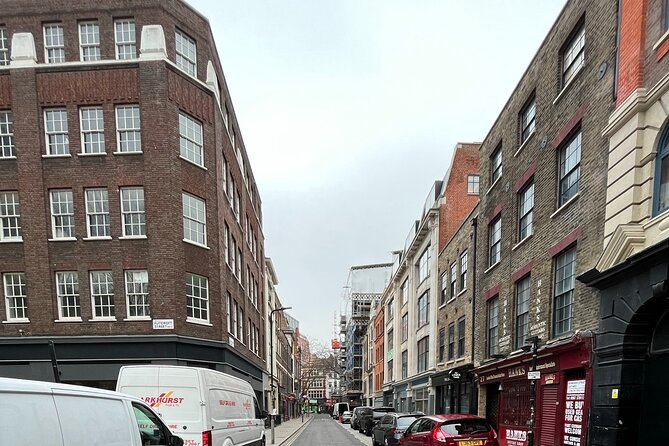
Denmark Street is the strongest section of the walk. Known as the British Tin Pan Alley, it brings together music shops, recording studios, publishers, and performance spaces in a short stretch.
Allow about 20 minutes here, though music fans may want longer. The street has links to songs written in the area and to artists such as Elton John and the Rolling Stones. Its importance comes from the concentration of working music businesses, not from one single famous building.
The route then picks out several addresses along Denmark Street:
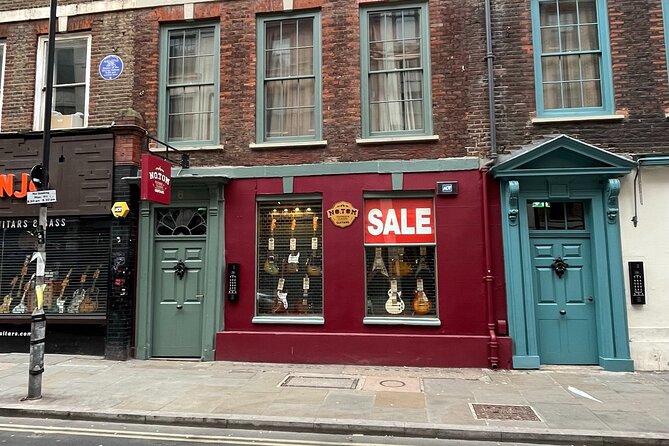
- 12 Bar Club: This former grassroots venue hosted early performances by Adele and The Libertines. It represented the small-room side of London music, where new acts could build an audience before moving to larger stages.
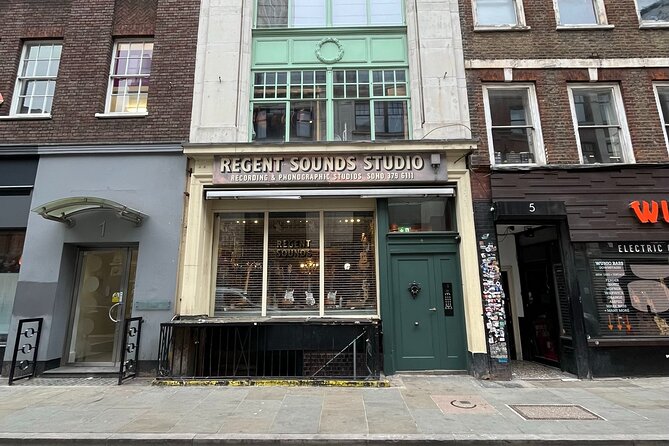
- Regent Sounds Studio: The site is now a guitar shop, but the address is linked with the Rolling Stones’ first album and sessions by The Beatles. You get a useful reminder that recording studios can matter as much as concert halls.
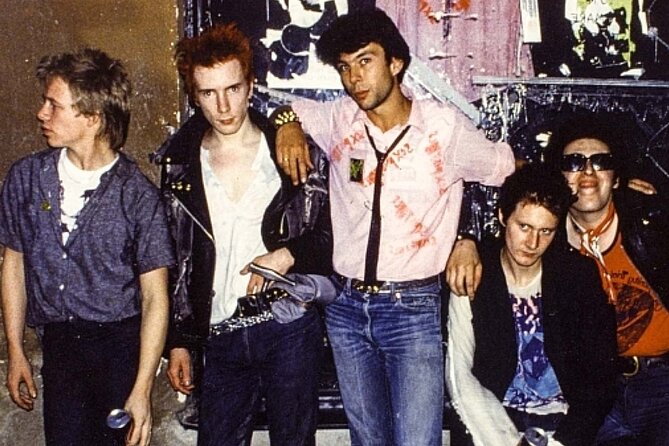
- No. 6 Denmark Street: The Sex Pistols lived and recorded music here in the 1970s. This stop connects the street’s commercial music past with the confrontational energy of British punk.
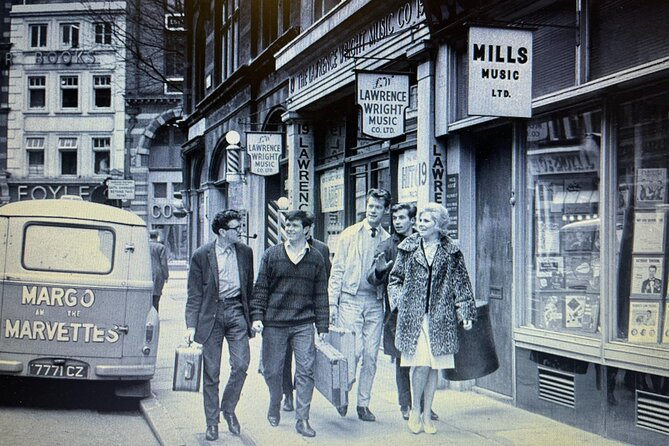
- Mills Music: One of the original music businesses in the area, Mills Music worked in publishing and had links to Jimmy Page and David Bowie. It represents the business side of popular music, the part that is easy to miss when stories focus only on performers.
- La Giaconda: This former café was a hangout for musicians and songwriters in the 1960s. David Bowie, Jimi Hendrix, and Elton John were among those associated with it. A café stop like this helps you picture music as a social network, not only a series of performances.
- KPM Publishing: Part of the historic KPM Music House, KPM Publishing built a large catalogue used across the music industry, film, and television. It is one of the less glamorous but more revealing stops, since music publishing and production support so much of what audiences hear.
Some of these addresses have changed use. That is worth knowing before you arrive. The audio does the work of connecting the present street to its earlier life, but you should not expect a museum at every stop.
A few detours add Soho character
The route includes Forbidden Planet, the famous comic, science fiction, fantasy, and cult entertainment shop. It is not a music stop in the strict sense, but it fits Soho’s unusual mix of creative businesses.
You have about five minutes here. The stop also gives the walk some variety. A route made only of former recording studios could become a little repetitive, while Forbidden Planet shows the wider culture of the neighborhood.
The Phoenix Theatre follows. Its West End history includes David Cassidy’s appearance in Blood Brothers. Again, the tour widens its view of music by showing how popular performers moved between concerts, theatre, and television.
Phoenix Gardens provides another short pause. This community garden is not connected directly to music, but it offers a quiet spot among Soho’s streets. The five-minute stop works as a breather and a chance to consider how much creative activity has gathered in a relatively compact area.
The former Saville Theatre, now Odeon Covent Garden, has stronger music links. The Beatles and Jimi Hendrix performed there in the 1960s, and Brian Epstein, The Beatles’ manager, managed the theatre. Today it operates as a cinema, so once again you are seeing a changed building with an important earlier role.
Macaris Guitar Shop, now an Apple Store, tells a similar story. Macaris supplied guitars to aspiring musicians and established stars for decades. The modern shop has a different purpose, but the address helps explain why Denmark Street became so closely tied to instruments and musicians.
Foyles Book Shop is another broad cultural stop. It is not mainly a music site, yet its music section includes scores, biographies, and music history books. I like this addition because music culture depends on reading, publishing, and collecting as much as playing.
A completely different sort of day out:
- Stonehenge, Windsor Castle, and Bath from London
★ 4.5 · 18,662 reviews - London Big Bus Hop-On Hop-Off Tour with Optional River Cruise
★ 3.5 · 10,803 reviews - London Small Group Tour of Historical Pubs
★ 5.0 · 10,422 reviews - Stonehenge, Windsor Castle and Bath with Pub Lunch in Lacock
★ 4.5 · 7,402 reviews
Soho Square links music offices with secret shows
Soho Square is one of the better places to pause. This old London square has music industry offices nearby and a building owned by Paul McCartney overlooking it. The area is also linked with secret performances by Prince, including two in one night.
The official stop lasts about five minutes, but you can easily linger. A square makes a useful midpoint because it gives you space to sit and listen without standing on a pavement.
The Dog and Duck Pub comes next. Its direct music connections are limited, but the pub reflects Soho’s long association with writers, performers, and public figures. The stop is less about one famous concert and more about the setting in which stories were shared.
The Mozart Blue Plaque adds a much older layer. The plaque marks the building where Wolfgang Amadeus Mozart, aged eight, lived and composed his first symphony in 1764. The property is now a private residence, so you view the plaque from outside.
This is one of the route’s most interesting contrasts. Soho’s music story does not begin with guitars and amplifiers. It reaches back to classical music, then moves through jazz, theatre, rock, punk, and recorded sound.
Ronnie Scott’s brings the jazz chapter into focus
Ronnie Scott’s Jazz Club is one of the route’s essential stops. Founded in 1959, it has hosted major jazz artists including Miles Davis, Ella Fitzgerald, and Nina Simone.
The listed stop takes five minutes, but the club is worth treating as more than a quick photo point. Its importance comes from continuity. Unlike several former venues on this walk, Ronnie Scott’s remains closely identified with live music.
You should not assume the tour includes entry to a performance. The experience is self-guided and the admission ticket is free, so the stop concerns the building and its history rather than a concert. If you want to hear music inside, that would require separate arrangements.
From the 2i’s Coffee Bar to the Marquee Club
The former 2i’s Coffee Bar connects Soho with the birth of British rock and roll. It was a meeting place for emerging performers in the 1950s and 1960s, and artists such as Cliff Richard and Tommy Steele were discovered there.
The coffee bar no longer exists, but its role was important. Before large rock arenas and modern talent shows, small cafés and clubs gave young performers a place to be noticed.
The Marquee Club provides another key chapter. It hosted early performances by The Rolling Stones and The Who and sat at the center of London’s 1960s cultural change. The club has closed, so this is another location where the audio fills in what the street can no longer show.
Taken together, these stops explain why a self-guided format works well here. The neighborhood has layers, but much of the evidence is architectural, historical, or invisible. You need the narration to connect an ordinary-looking address with its former importance.
Reckless Records is the most hands-on stop
Reckless Records is the place where the tour becomes less about looking backward and more about doing something. This independent shop sells second-hand vinyl, CDs, and DVDs, with a broad selection for anyone who enjoys browsing.
Plan on about 10 minutes, though the shop can easily take longer. I would save a little energy for this stop. A record shop gives you a direct connection to the music itself, rather than another account of a venue that has disappeared.
It also provides a practical way to make the tour personal. You might look for an album linked to one of the artists on the route, or simply explore unfamiliar music. The tour’s history becomes more memorable when you can carry a physical record or compact disc into the next part of your London visit.
Trident Studios gives the walk a strong finish
The final major stop is Trident Audio Post at 33 Great Pulteney Street. The route links the address with Trident Studios, where David Bowie’s Hunky Dory and albums by The Beatles were recorded.
This is a fitting endpoint because recording studios show how songs move from an idea to a finished work. You have already seen clubs, theatres, shops, pubs, cafés, publishers, and rehearsal spaces. Trident brings the story back to the studio.
The route ends here, and you are free to continue around Soho. That is a practical advantage. You are not deposited far from the center of activity. Great Pulteney Street keeps you close to the area’s food, nightlife, theatres, and other cultural stops.
How much value do you get for $12.47?
At $12.47 per person, this is inexpensive for a private activity with three weeks of access. The value is strongest if you want a focused introduction to Soho’s music past and prefer setting your own pace.
The tour includes:
- Audio narration by Evren
- In-app maps and walking directions
- GPS route guidance
- Photos and videos
- Information about each stop
- Recommendations
- Unlimited access for three weeks
There is no in-person guide, and you do not receive admission to a concert, theatre, club, or museum. Most stops are viewed from outside, with the important exception of places you choose to enter independently, such as Reckless Records.
That makes the price fair rather than astonishing. You are paying for a prepared route and audio content, not a live performance or a specialist guide answering questions beside you. If you value independence, the low price works well. If you want conversation and detailed answers tailored to your interests, a guided walk may suit you better.
Timing, access, and practical planning
The tour can be started any time from Monday through Sunday, with the activity listed as available around the clock. In practical terms, daytime is likely best because shops and public spaces are easier to appreciate, especially Denmark Street and Reckless Records.
The start point is the Dominion Theatre on Tottenham Court Road. The endpoint is Trident Audio Post on Great Pulteney Street. Both are in central London and near public transportation, according to the tour information.
Most people can participate, and service animals are allowed. The route is a walking experience, so you should check the current ticket instructions before setting out, especially the section marked Before You Go. Your booking confirmation includes activation instructions, and the booking reference is not the activation code.
The cancellation rule is strict: the experience is non-refundable and cannot be changed. Book only when your schedule is firm.
Who will enjoy this experience most?
I would recommend it to:
- Music fans interested in British rock, punk, jazz, pop, and recording studios
- First-time Soho visitors who want a clear route through the district
- Independent explorers who dislike fixed departure times
- Couples, families, or small groups who want a private activity
- Visitors who enjoy record shops, old venues, and cultural stories
- People with three weeks available to revisit the route
It is less suitable if you want to enter every historic venue, hear live music during the walk, or speak with a guide. It also may not satisfy someone looking for a walk devoted only to one genre. The route moves from Mozart to David Bowie, from jazz to punk, and from West End theatre to publishing.
Should you book the Soho London Private Music Self-Guided Tour?
Book it if you want an affordable, flexible way to understand why Soho matters to British music. I especially like the Denmark Street section, the contrast between surviving venues and lost ones, and the chance to return for three weeks.
Before booking, accept the main limitation: this is an audio walk through present-day streets, not a backstage tour. Many famous places are now shops, cinemas, private residences, closed clubs, or ordinary-looking addresses. If that sounds frustrating, choose a live music experience instead.
For curious visitors who enjoy connecting today’s streets with yesterday’s songs, this is a smart buy. Start in daylight, allow more than two hours if you want to browse, and keep the route available for a second pass through Soho.
FAQ
How long does the Soho London Private Music Self-Guided Tour take?
The tour takes approximately two hours, though you can spend longer at stops such as Denmark Street or Reckless Records.
Where does the tour start?
It starts at the Dominion Theatre, 268 to 269 Tottenham Court Road, London W1T 7AQ.
Where does the tour end?
It ends at Trident Audio Post, 33 Great Pulteney Street, London W1F 9NP. You are free to continue exploring Soho afterward.
Is there an in-person guide?
No. This is a self-guided audio tour, and no in-person guide is included.
How long can I access the tour?
You receive unlimited access through the app for three weeks.
What language is available?
The tour is offered in English.
Who provides the audio narration?
Evren provides the audio guide. The narration is not computer-generated.
What does the app include?
The app includes a map, directions, GPS route guidance, audio, videos, pictures, recommendations, and information about the stops.
Can I choose my own starting time?
Yes. You can start at the time that suits your schedule, with availability listed Monday through Sunday from midnight to 11:30 p.m.
Is the tour refundable?
No. The experience is non-refundable and cannot be changed for any reason after booking.
Just added in London
- Private Transfer From London to Southampton Cruise Terminal★ 4.0 · 2 reviews
- Layover Tour of London from LHR Executive Luxurious Vehicle Private Tour 6 hour★ 4.5 · 9 reviews
- Pub & History Tour London (History & Beers)★ 5.0 · 3 reviews
- eSIM for UK (34 EU countries) | 3 to 30 days. Up to 40GB of data★ 4.0 · 18 reviews
- Young Victoria’s London: Windsor Castle & Kensington Palace★ 5.0 · 1 review
- Zombie Scavengers Game – Southend-on-Sea, UK★ 4.5 · 2 reviews
- Women of Whitechapel 2 hour Walking Tour★ 5.0 · 15 reviews
- Working Women of the East End Walking Tour★ 5.0 · 85 reviews
Self-Guided Tours in London, compared.
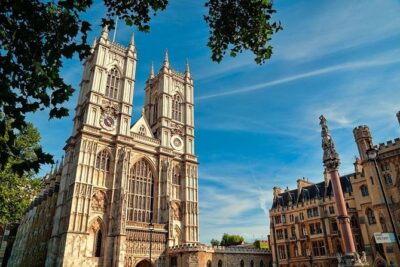
Westminster Abbey Entrance Ticket Including Audio Guide
Read our review →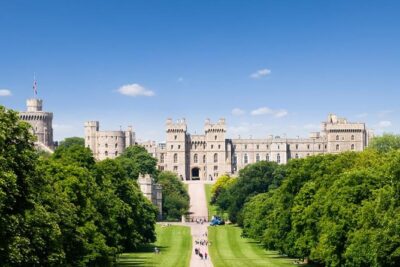
Windsor Castle Tour from London with Transportation & Audio Guide
Read our review →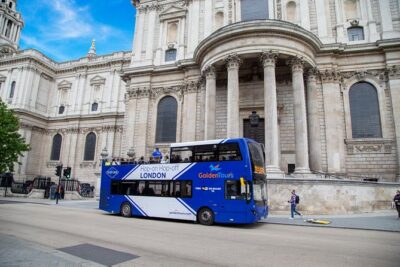
London Panoramic Open Top Bus Tour with Audio Guide
Read our review →
Emirates Stadium and Arsenal Museum Entrance Ticket Including Audio Guide
Read our review →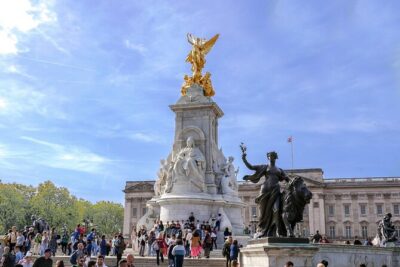
Buckingham Palace: Walking Tour with Entry & Audio Guide
Read our review →
British Museum Audio Tour with Free Guaranteed Entry
Read our review →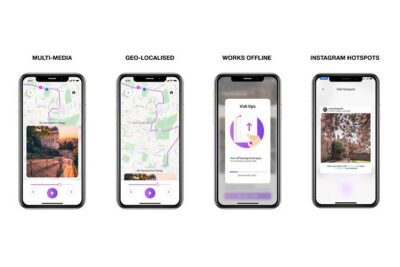
Covent Garden’s Hidden Gems: A Self-Guided Walking Tour
Read our review →Browse the lists this tour appears in