Reviewed · LONDON TOURS
See Tate Modern with an Art Historian in London
Modern art makes more sense with company. This two-hour Tate Modern visit pairs an art historian guide with a small group, turning confusing rooms into a friendly discussion. I like the interactive approach, where you first look and form your own view, and I like that the short tour leaves time to keep exploring alone. The main drawback is the price: at $137.12 per person, it is a serious spend for two hours, especially since paid temporary exhibitions cost extra.
The strongest praise goes to Julia, who is described as lively, funny, and excellent with both adults and children. Rosa has also led the visit, bringing experience from the National Gallery. The tour is a good fit if modern art usually leaves you cold, though anyone hoping to see every corner of Tate Modern will need more time afterward.
In This Review
- Key points to know before booking
- Why an art historian helps at Tate Modern
- Inside Tate Modern: two hours of selected works
- Julia’s teaching style and the value of a small group
- The museum questions are more useful than a list of dates
- What the $137.12 price really buys you
- Who will get the most from this Tate visit
- Timing, meeting point, and practical details
- A fair look at the strengths and weaknesses
- Should you book this tour?
- FAQ
- How long does the Tate Modern tour last?
- Is entry to Tate Modern included?
- How many people can join the tour?
- Do I need previous art knowledge?
- Is the tour suitable for children?
- What is the cancellation policy?
Key points to know before booking
- The tour teaches you how to look at art, not simply which famous works to photograph.
- Julia is praised for lively, interactive guiding, with questions before explanations.
- Groups are capped at 10 people, giving you a fair chance to ask questions.
- The two-hour format covers selected highlights, then leaves room for your own visit.
- Tate Modern admission is included, but paid temporary exhibitions are not.
- The price is high for the duration, so the value depends on how much help you want with modern art.
Why an art historian helps at Tate Modern
Tate Modern can be a hard museum to read. You may face a canvas of blocks and colors, a sculpture that seems almost too simple, or a photograph that raises the basic question: is this art? Without some context, it is easy to walk past important work while spending too long trying to decode something else.
This tour takes a more useful route. Rather than treating art as a quiz with one correct answer, the guide encourages you to begin with your own eyes. You look, describe what you notice, and consider what the work makes you think before hearing the historical background.
That method matters. It gives you a way to approach modern and contemporary art after the tour ends. You are not just collecting facts about artists. You are practicing how to observe, ask questions, and connect a work with its time.
The discussion covers broad subjects that shape the museum’s collection: the rise of abstract art, the role of gender, the changing form of sculpture, photography as art, and the people who decide what belongs in a museum. You also consider if art must be pleasant to be worthwhile and if it can affect society or politics.
That range is one reason the experience has earned a 4.8 rating, with 96 percent of participants recommending it. The value comes less from the number of rooms covered and more from the way the guide helps you think.
A few more to weigh up in London
- Stonehenge, Windsor Castle, and Bath from London
★ 4.5 · 18,662 reviews - London Big Bus Hop-On Hop-Off Tour with Optional River Cruise
★ 3.5 · 10,803 reviews - London Small Group Tour of Historical Pubs
★ 5.0 · 10,422 reviews
Inside Tate Modern: two hours of selected works
The only listed stop is Tate Modern, but the visit is not a simple walk from room to room. Your guide chooses works from the modern and contemporary collection and uses them to build a conversation about artists, ideas, and cultural change.
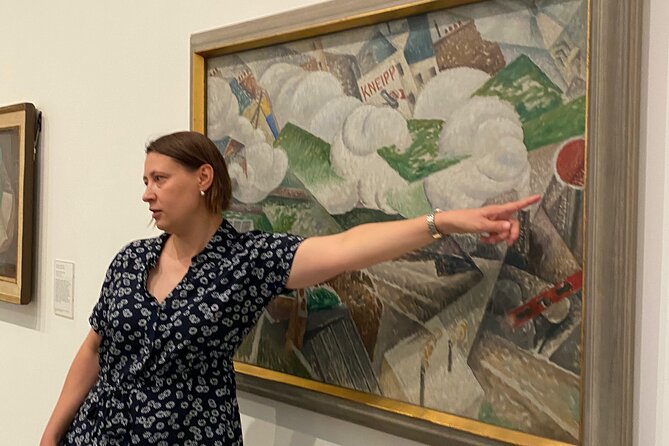
You can expect attention to well-known pieces, but the route may also include works you would have missed alone. One particularly appreciated work was Juan Gris’s Bottle of Rum and Newspaper, suggesting that the tour does not limit itself to the biggest names or most photographed objects.
The guide may begin with questions. What do you see first? How does the work make you feel? What might the artist be trying to do? Only after your response does the explanation widen to include artistic movements, political attitudes, and the period in which the work was made.
This is a good arrangement for families. One guide successfully kept an 11-year-old involved, and another group found the visit worked well with a 10-year-old. Children do not need to know art history in advance. In fact, their direct responses may open up the conversation in a way that a formal lecture would not.
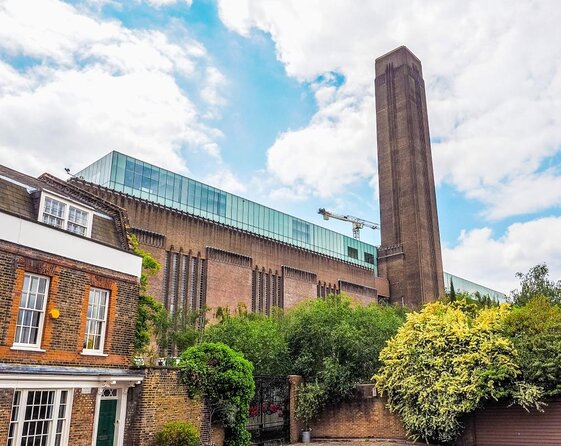
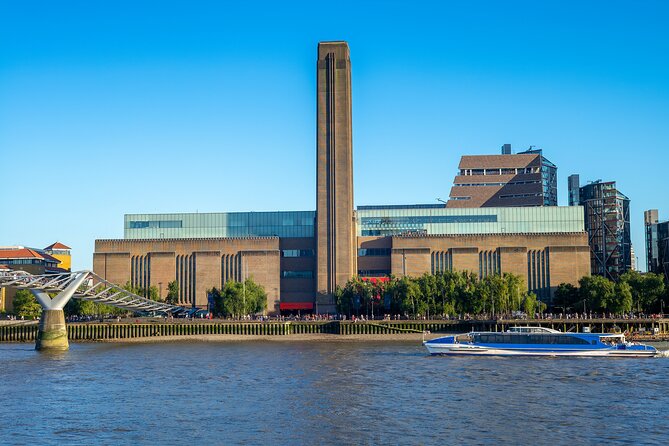
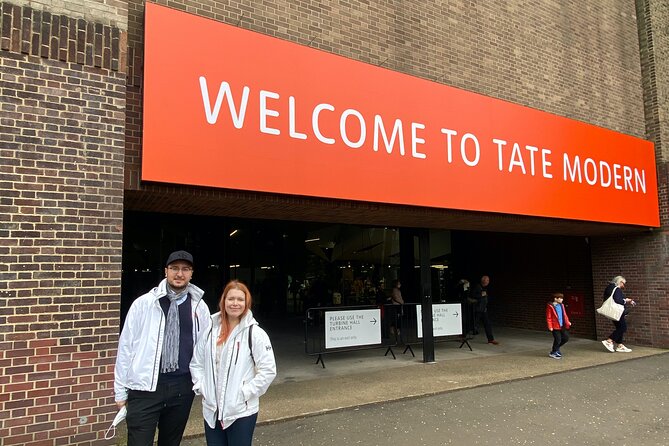
You should also expect some discussion of Tate Modern itself, including its striking building and how the museum presents modern art. The collection is large, so two hours cannot cover it all. The guide’s job is to make a sensible selection rather than rush you through every room.
The short format is both a strength and a limit. Two hours is long enough to develop a clear way of looking, but not long enough for a full museum survey. If you want a slow, room-by-room visit, plan to return to the galleries after the tour.
Julia’s teaching style and the value of a small group
Julia receives the most praise in the feedback. Her style is described as energetic, witty, and warm, with a gift for making the subject approachable. Several people say that her explanations helped them see more than they would have noticed on their own.
Her best teaching habit is the interactive format. She asks for your interpretation before giving her own. That keeps the experience from becoming a lecture and makes space for several ways of understanding a work.
Julia is also praised for adapting the visit to the people in front of her. One private group received a route shaped around personal interests, while another family appreciated her ability to include a child. The available information describes a maximum of 10 participants, so even a shared booking should remain fairly manageable.
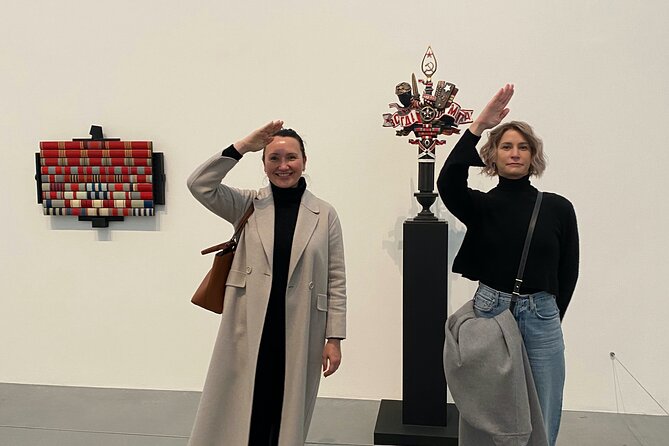
A small group changes the feel of a museum visit. You can ask why a work matters, challenge an interpretation, or admit that you still do not like it. You may also have a chance to take a photograph or two in front of your chosen works, which is included.
Rosa has also guided the experience. She is described as an art historian with previous National Gallery experience and a broad grasp of different periods. If the booking lets you request a guide, Julia is the name most often praised, while Rosa offers another strong option.
One practical caution: a guide did once fail to appear, and the tour was canceled with a refund. That appears to be an isolated service problem rather than a normal feature, but it is worth remembering that a guided booking carries a small risk that an independent museum visit does not.
The museum questions are more useful than a list of dates
The tour is strongest when it connects a work to the world around it. Political art, social attitudes, gender, and changing ideas about photography all enter the discussion. You are not asked to memorize a parade of dates. You are shown how historical pressure can affect what an artist makes and how people respond to it.
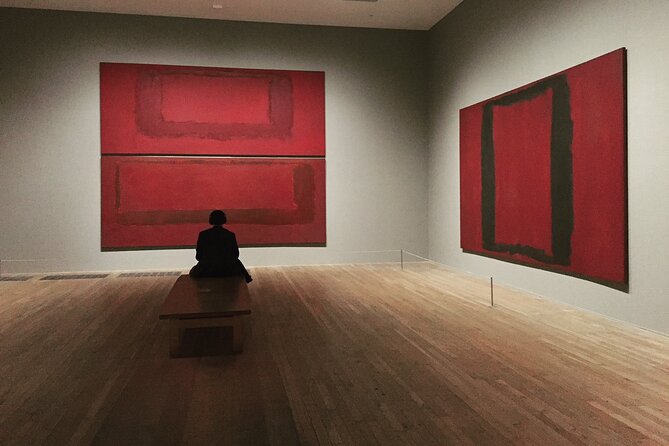
This approach helps with abstract art in particular. Instead of asking only what a painting represents, you can consider why artists moved away from traditional subjects, what a composition asks you to notice, and how materials or form carry meaning.
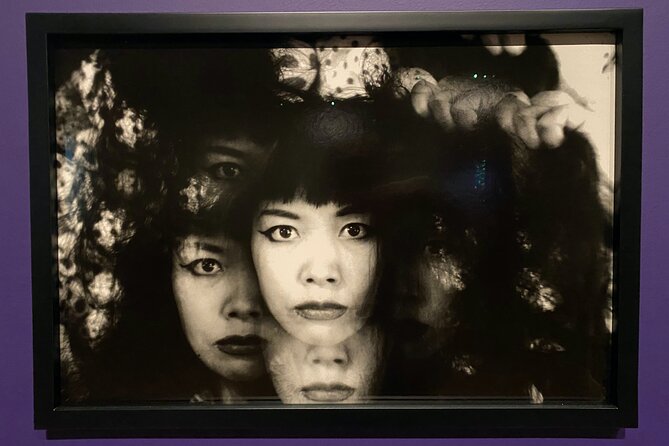
Sculpture receives attention too, including the way its role changed during the 20th century. Photography is another useful subject because many visitors still wonder what separates an artistic photograph from an ordinary image.
The guide also makes room for disagreement. You do not have to like a work in order to understand it. That is a small but important lesson in a museum where some pieces may frustrate you, amuse you, or seem almost absurd.
I especially like that the tour treats your first reaction as useful evidence. You are not told to abandon your instincts. You are encouraged to test them against the work, the artist’s intentions, and the period in which it was made.
A completely different sort of day out:
- Stonehenge, Windsor Castle and Bath with Pub Lunch in Lacock
★ 4.5 · 7,402 reviews - Tower of London and Crown Jewels Exhibition Ticket
★ 4.5 · 6,677 reviews - Thorpe Park Admission Ticket
★ 4.0 · 5,915 reviews - Stonehenge, Windsor Castle and Bath Full Day Guided Tour
★ 4.5 · 5,346 reviews
What the $137.12 price really buys you
At $137.12 per person, this is not a budget museum add-on. Tate Modern itself offers free entry to its main collection, so the fee is paying for the guide’s time, art-historical training, planning, and the chance to ask questions in a small group.
That can be good value if you are unsure how to approach modern art. A strong guide may save you from wandering through a huge museum without a clear sense of what you are seeing. The experience can also make the rest of your independent visit more rewarding because you have learned a method, not just heard a few stories.
The value is less obvious if you already know Tate Modern well or prefer to read wall labels at your own pace. You could visit the main collection without paying an admission fee and spend several hours exploring.
The included free entry does not cover paid temporary exhibitions. One response refers to a Do Ho Suh exhibition with a £20 entry cost per person, which the guide reportedly included during that particular visit. Do not assume that will happen for your booking. The stated terms are clear: paid exhibitions are not included.
The two-hour length helps soften the price for visitors with limited time. You can get an informed introduction, then continue alone. If you are planning a packed London day, that is more practical than a long museum tour that leaves you mentally worn out.
Who will get the most from this Tate visit
This experience suits first-time Tate Modern visitors who want a clear introduction without committing to an all-day art course. It is especially useful if you often say that you do not understand contemporary art.
Couples and solo visitors should find the small-group setting easy to join. Families can also consider it, since guides have successfully engaged children aged 10 and 11. The discussion-based format gives younger visitors something to do beyond following an adult from room to room.
It also works for groups and team-building activities. The guide can use questions and shared interpretations to get people talking, rather than asking everyone to listen silently.
You do not need previous art knowledge. That is important here. Tate Modern can intimidate visitors who think they need a background in art movements before entering. This visit starts with observation and conversation, so beginners can take part from the first work.
You may want to skip it if your main aim is the temporary exhibition program, since those tickets are extra. You should also think twice if you dislike guided pacing or want to spend your full visit on a single artist.
Timing, meeting point, and practical details
The tour starts and ends at Tate Modern in London, SE1. It is near public transportation, and confirmation is provided at booking. A mobile ticket is used, and the activity is offered in English.
Free luggage storage is included, which can be helpful if you are carrying bags while moving around central London. Service animals are allowed, and most people can participate.
The tour requires good weather, an unusual condition for a museum visit. If poor weather causes cancellation, you are offered another date or a full refund. A minimum number of participants is also required, so a cancellation for that reason brings the choice of another date or experience, or a full refund.
You can cancel for a full refund up to 24 hours before the start time. Inside that 24-hour window, the fee is not refunded, and changes are not accepted. Make your plans carefully, using London local time as the cutoff.
For the best experience, allow extra time before or after the two-hour visit. The tour ends back at the meeting point, and the short duration is designed to leave room for your own look around.
A fair look at the strengths and weaknesses
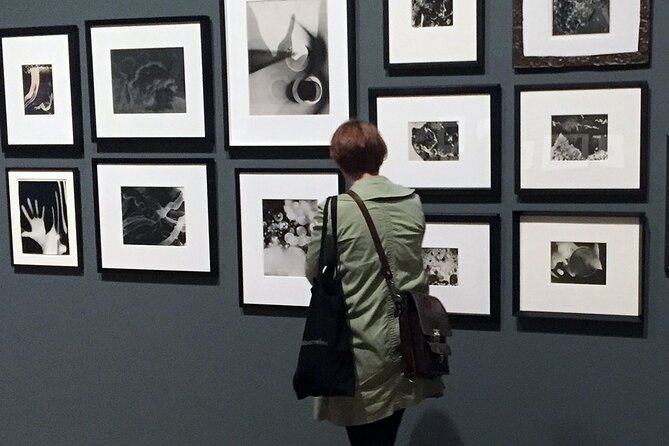
The clearest strength is the teaching. Julia is repeatedly praised for making modern art accessible, asking good questions, and adding humor without turning the subject into a performance. The guide’s ability to connect art with politics, culture, and the artist’s life gives individual works more weight.
The second strength is flexibility. Families, couples, and people with very different levels of interest can take part. The route can respond to your questions, and the group limit keeps the exchange personal.
The main weakness is cost. Since the main Tate Modern collection is free, $137.12 is a large premium for a two-hour introduction. You are paying for help, not admission alone.
The other limitation is coverage. Tate Modern is too large for a complete visit in two hours. You will see selected works and ideas, then need to explore on your own if you want the full museum.
There is also a small service caveat because one booking ended in a cancellation when the guide could not attend. The refund was issued promptly, but the incident shows why you should keep a little flexibility in your schedule.
Should you book this tour?
Book it if you want modern art explained through questions, context, and conversation rather than a hurried list of famous names. It is a particularly good choice for first-time visitors, families with older children, and anyone who wants to feel less lost inside Tate Modern.
The strongest reason to pay the premium is the guide’s teaching method. You leave with a better way to look at art, not just a memory of a few objects. If possible, request Julia, whose energy, humor, and ability to include children receive the most praise.
Skip it if you already feel confident in modern art, want to spend the day exploring independently, or are mainly interested in a paid temporary exhibition. For everyone else, the small group and two-hour format make this a focused way to begin, provided the price fits your London budget.
FAQ
How long does the Tate Modern tour last?
The tour lasts approximately two hours. It ends back at Tate Modern, leaving you free to continue exploring the museum independently.
Is entry to Tate Modern included?
Yes. Free entry to Tate Modern is included. Paid temporary exhibitions are not included in the stated tour price.
How many people can join the tour?
The activity has a maximum of 10 travelers, creating a small-group setting with room for questions and discussion.
Do I need previous art knowledge?
No. The tour is designed for all levels, and no prior knowledge of art is required.
Is the tour suitable for children?
Yes. The experience is described as suitable for families, and guides have successfully engaged children aged 10 and 11.
What is the cancellation policy?
You can cancel at least 24 hours before the start time for a full refund. Cancellations or changes made less than 24 hours before the start time are not refunded or accepted. If the tour is canceled because of poor weather or because the minimum number of participants is not met, you are offered another date or experience, or a full refund.
Just added in London
- Private Transfer From London to Southampton Cruise Terminal★ 4.0 · 2 reviews
- Layover Tour of London from LHR Executive Luxurious Vehicle Private Tour 6 hour★ 4.5 · 9 reviews
- Pub & History Tour London (History & Beers)★ 5.0 · 3 reviews
- eSIM for UK (34 EU countries) | 3 to 30 days. Up to 40GB of data★ 4.0 · 18 reviews
- Young Victoria’s London: Windsor Castle & Kensington Palace★ 5.0 · 1 review
- Zombie Scavengers Game – Southend-on-Sea, UK★ 4.5 · 2 reviews
- Women of Whitechapel 2 hour Walking Tour★ 5.0 · 15 reviews
- Working Women of the East End Walking Tour★ 5.0 · 85 reviews
London Tours, compared.

Stonehenge, Windsor Castle, and Bath from London
Read our review →
London Big Bus Hop-On Hop-Off Tour with Optional River Cruise
Read our review →

Stonehenge, Windsor Castle and Bath with Pub Lunch in Lacock
Read our review →
Tower of London and Crown Jewels Exhibition Ticket
Read our review →
Stonehenge, Windsor Castle and Bath Full Day Guided Tour
Read our review →
Windsor Castle, Stonehenge, and Oxford Day Trip from London
Read our review →