
Reviewed · WORKSHOPS
London Photography Masterclass – Private Photography Lesson
London rewards photographers who slow down. This private three-hour lesson turns a sightseeing walk into a practical photo workshop, with one guide focused only on your group. I especially like the one-on-one instruction and the chance to work on London at night, when bridges, river reflections, and light trails give familiar sights a new look.
The route also gives you plenty of variety, from Westminster and the London Eye to St. Paul’s Cathedral, the Shard, and Tower Bridge. The main drawback is pace: the tour covers a lot of ground, and the roughly $218.21 per-person price is a serious spend unless you care about improving your photography rather than simply collecting snapshots.
In This Review
- Key points before you book
- What this London photography lesson is really like
- Starting at St. Thomas’ Hospital and County Hall
- Westminster Bridge: your first practical exercise
- The Palace of Westminster and the London Eye
- Household Division and the character of central London
- Waterloo Bridge and Southbank
- Millennium Bridge and St. Paul’s Cathedral
- The Shard and London’s changing skyline
- Tower Bridge and the Thames after dark
- What the guides add to the experience
- Rain, darkness, and other conditions to consider
- Is $218.21 per person good value?
- Who should book this photography tour?
- Booking, cancellation, and practical details
- Should you book the London Photography Masterclass?
- FAQ
- How long is the London Photography Masterclass?
- Is this a private tour?
- What equipment do I need to bring?
- Where does the tour start and end?
- Is the tour offered in English?
- Can I cancel for a full refund?
Key points before you book
- Private coaching keeps the lesson personal: You can ask questions freely, and the guide can adjust the session to your skill level and interests.
- Night photography is a major strength: You can work on long exposure, light trails, light painting, and high ISO shooting along the Thames.
- The route links many major sights: Westminster Bridge, St. Paul’s Cathedral, the Shard, and Tower Bridge all appear within one focused outing.
- Rose, Derrick, and Noemi have different teaching strengths: Rose is praised for patience and creative ideas, Derrick for active coaching and finding unusual viewpoints, and Noemi for explaining night camera settings clearly.
- You need your own equipment: A camera and tripod are not included, so check your kit before setting out.
- Rain does not necessarily ruin the lesson: The guides have helped people make strong images in wet, difficult conditions.
What this London photography lesson is really like
Aperture Tours offers this as a private photography lesson rather than a standard sightseeing walk. That distinction matters. You are not simply following a guide from one famous building to the next. You are expected to look, adjust, try again, and ask why one frame works better than another.
The guide is both a professional photographer and a local guide. That combination gives the outing a useful balance. You get help with camera controls, but you also receive advice about where to stand, what to include, and how to see London beyond the most obvious postcard angle.
The experience is offered in English and lasts about three hours. Since only your group participates, the session can suit a beginner who needs patient help or an experienced amateur who wants fresh ideas. One person used a session to move beyond familiar tourist views, while another learned how ISO, aperture, and exposure time affect night images.
The lesson can focus on daytime city photography or on London after dark. If you want the night option, bring a tripod and a warm scarf. A tripod is not supplied, and the riverside can feel cold when you are waiting for a long exposure to finish.
More Workshops in London
- London Traditional English Scone Making and Tea Workshop
★ 5.0 · 271 reviews - Street Art Tour and Spray Painting Workshop in London
★ 5.0 · 98 reviews - Street Art Walking Tour and Workshop in London
★ 5.0 · 58 reviews
Starting at St. Thomas’ Hospital and County Hall
The meeting point is at St. Thomas’ Hospital and County Hall, Stop D, London SE1 7EP. This places you beside the Thames, with Westminster Bridge and the Palace of Westminster close at hand.
That is a smart starting point for a photo lesson. You can begin with major architecture, open river views, moving traffic, and changing light without spending the first part of the session getting across town.
You will need to arrive ready to shoot. The experience is near public transportation, but the supplied details do not specify a particular station, route, or parking arrangement. Check the meeting point carefully when you book, especially if you are carrying a tripod and camera bag.
Westminster Bridge: your first practical exercise
Westminster Bridge offers one of the clearest introductions to London photography. From here, you can work with the Thames in the foreground and the Palace of Westminster, the London Eye, and the wider Westminster area around you.
A guide can help you decide how much sky, river, and architecture to include. You might also work on exposure choices for moving people, traffic, or water. The point is not just to photograph the bridge. It is to learn how a small change in position or framing can make a familiar scene feel more deliberate.
This opening stop should suit beginners because the subject matter is easy to recognize. More experienced photographers may find value in being pushed away from the obvious central viewpoint.
The Palace of Westminster and the London Eye
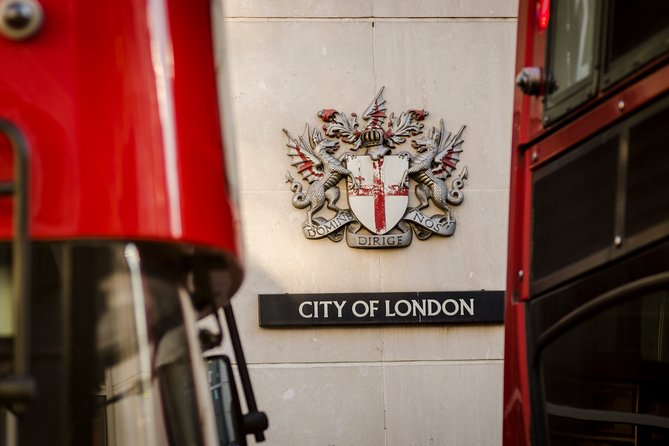
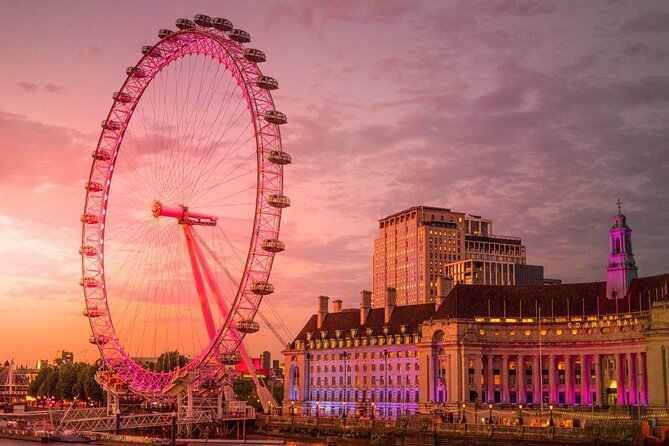
The Palace of Westminster gives the session a grand architectural subject, with strong lines and a recognizable profile. The London Eye adds a contrasting shape, particularly if you are working after sunset and want to include a wheel of light beside the river.
These stops are useful for learning how to handle bright highlights and darker surroundings. Night photography often looks simple to the eye but is less forgiving on camera. A guide can show you how changes to ISO, f-number, and exposure time affect the final result.
You may also find that three hours passes quickly here. The route offers many subjects, but you will not have unlimited time at each one. If you want a careful lesson at every stop, tell your guide early which skills matter most to you.
More Photo Tours in London:
- Professional Photoshoot in London Photographer
★ 5.0 · 102 reviews - Private landmarks photoshoot for families and couples
★ 5.0 · 92 reviews - 30 Major London Attractions Walking Tour With Photos
★ 4.5 · 51 reviews - Private Tour: Night Photography Tour in London
★ 5.0 · 48 reviews
Household Division and the character of central London
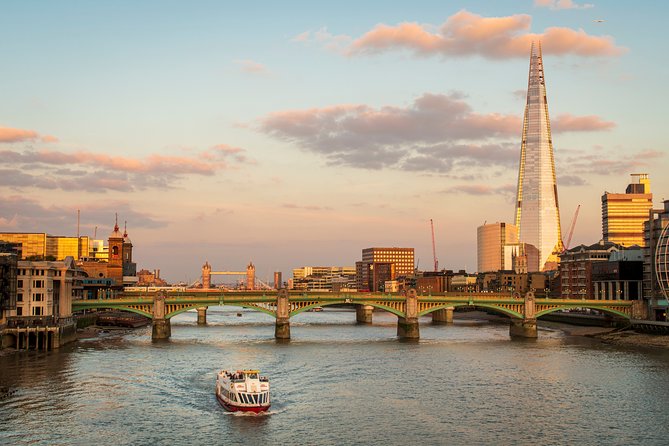
The Household Division adds a different kind of subject to the route. Instead of relying only on monumental buildings, you have a chance to work with people, uniforms, movement, and the formal character of central London.
This is where private teaching can help. Photographing people requires more than pointing a camera at a scene. You may need advice on timing, distance, composition, and how to avoid a cluttered frame. The guide can respond to your questions as they arise, rather than giving a fixed talk meant for a large group.
The exact photographic opportunities here will depend on conditions at the time of your visit. No fixed performance or scheduled event is promised, so treat this as a place-based subject rather than a guaranteed spectacle.
Waterloo Bridge and Southbank
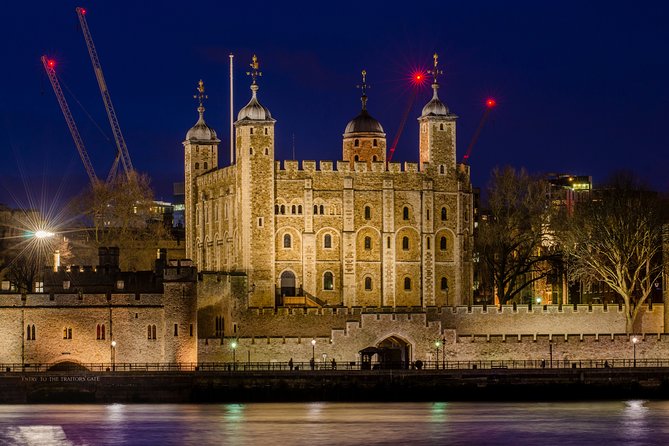
Waterloo Bridge is one of the route’s strongest points for city views. The position gives you a broad look along the Thames and toward London’s major buildings. It is especially useful if you want to practice composition with several layers, such as river, bridges, buildings, and sky.
Southbank then changes the mood. The area brings movement and public life close to the water, giving you subjects that feel less formal than Westminster’s government buildings. I like this contrast because it helps you practice more than one type of London photograph during the same lesson.
At night, reflections become a key part of the scene. You can work on longer exposures that smooth movement and bring out streaks of light. The guide may also introduce light trails or light painting, both of which require patience and careful timing.
Millennium Bridge and St. Paul’s Cathedral
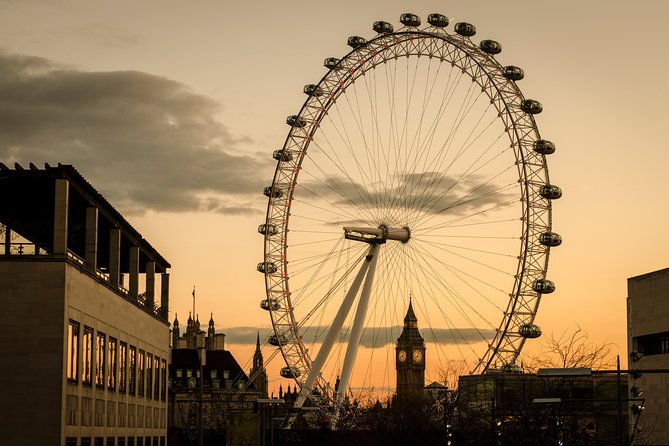
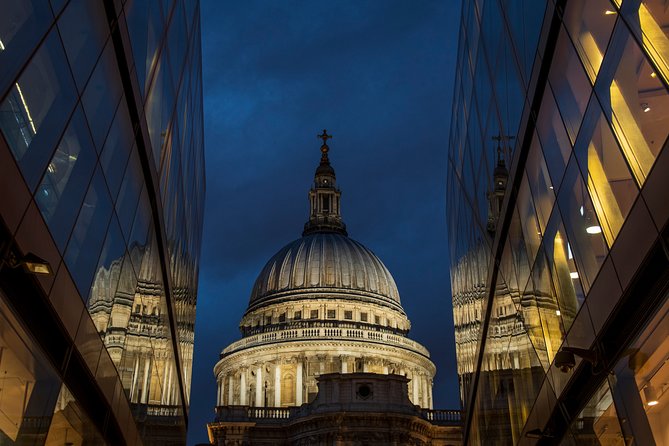
The Millennium Bridge creates a strong route toward St. Paul’s Cathedral. Its structure can provide leading lines, while the cathedral offers a large, detailed subject at the far end.
This pairing is excellent for learning how to guide the viewer’s eye through a frame. You can compare a wide view with a tighter architectural composition, then review the results with your guide. Photography tuition here is not limited to camera settings. It also involves deciding what the photograph should say.
St. Paul’s is particularly attractive after dark, when artificial light emphasizes its shape. Night shooting can also reveal problems that are easy to miss on a camera screen, such as blown highlights or excessive digital noise. The lesson’s focus on high ISO shooting can help you understand how to work when light levels fall.
The Shard and London’s changing skyline
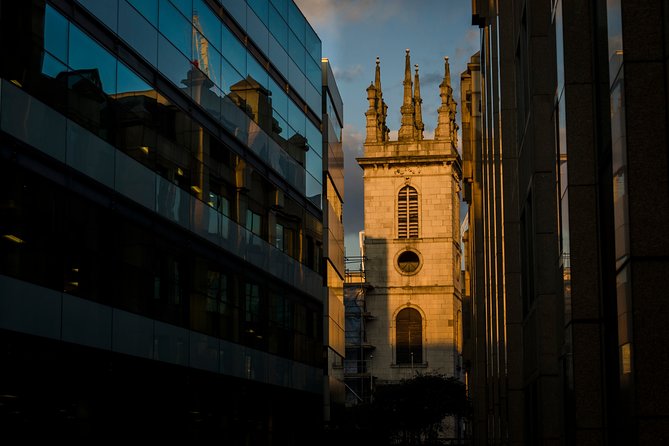
The Shard gives the route a modern counterpoint to St. Paul’s. The contrast between old and new London can produce a more interesting set of images than a collection of famous buildings photographed in isolation.
You can use this stop to think about scale and proportion. A very tall building may dominate a frame, or it may work better as part of a wider city scene. Your guide can help you test both options and review the results as you go.
This is also a good point to remember that the lesson is about photographic development, not guaranteed perfect conditions. Weather, light, crowds, and access can all affect the final image. The guide’s value lies partly in helping you respond when the scene is not ideal.
Tower Bridge and the Thames after dark
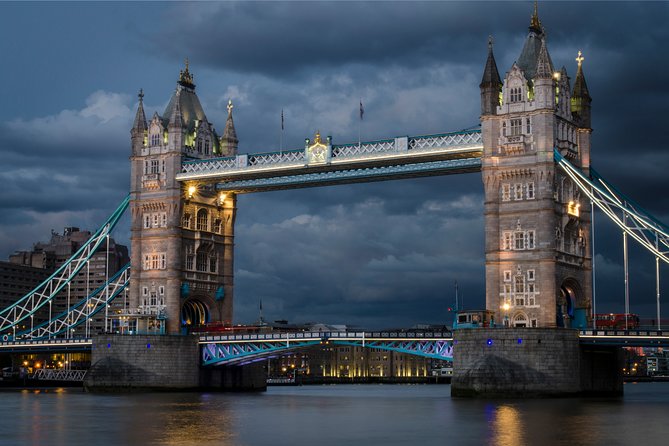
Tower Bridge is the natural finale for a London night photography session. Its illuminated structure, the Thames, and nearby city lights offer several ways to practice long exposure and reflections.
A tripod becomes especially important here. You can use it to keep the camera steady during longer exposures, while the guide explains how shutter speed changes the movement of water and traffic. Light trails can add energy to a frame, but they are easy to overdo. A private lesson gives you time to try different settings and see the effect immediately.
The riverfront can be cold, particularly if you are standing still for several minutes. Bring a scarf and wear practical shoes. The route moves through central London, and you should expect a walking session rather than a vehicle-based tour.
What the guides add to the experience
The strongest praise for this experience centers on teaching style. Derrick is described as patient but willing to push photographers beyond good enough. That is a useful quality if you already know your camera and want help making stronger decisions rather than simply learning which button to press.
Derrick also has a reputation for reviewing images during the walk and finding places that are easy to miss. One account describes a very full route, with many sights packed into a short period. If you enjoy a lively pace, that may suit you. If you prefer a slow tripod session, ask to prioritize fewer locations.
Rose appears particularly good with mixed-experience groups and younger photographers. She worked with a 17-year-old who was already confident with cameras but needed creative direction and a relaxed teacher. Her patience also helped make a rainy birthday outing worthwhile.
Rose’s night sessions are well suited to photographers who have already tried basic techniques and want new locations or a stronger creative challenge. She has helped people move beyond the standard views of London and think more carefully about location and composition.
Noemi’s teaching is especially practical for night photography. She explained the effect of different ISO settings, f-numbers, and exposure times in a way that helped a photographer gain confidence with long exposures. If technical clarity is your main goal, ask whether Noemi is available when you book.
Guide availability is not guaranteed, so consider these names as useful preferences rather than promises.
Rain, darkness, and other conditions to consider
You should not book this expecting a controlled studio class. The lesson takes place outdoors, and London weather can change quickly. Rain may make handling equipment harder, but it can also create reflections and a different look on the streets.
The guides have helped photographers work productively in wet conditions. Still, you need to protect your camera and dress for the weather. The supplied information confirms a tripod and scarf for the night option, but it does not list rain protection or equipment storage, so plan those details yourself.
Darkness also demands more patience. You may spend time waiting for a clean frame, adjusting a tripod, or repeating an exposure. That is part of the value if you want to learn, but it may feel slow if your main goal is to see as many sights as possible.
Is $218.21 per person good value?
At $218.21 per person, this is not a cheap way to sightsee. You are paying for a private lesson, a professional photographer guide, a local guide, and photography tuition with image review. The price makes more sense if you already own a camera and want personal instruction that would be hard to get in a large class.
The private format is the main value. You do not have to wait while a group asks unrelated questions, and the guide can respond to your level. A beginner can spend more time on basic exposure, while an experienced amateur can ask about long exposure, light trails, framing, or creative choices.
Group discounts may improve the price for larger private parties. Even so, compare the cost with your aims. If you want a quick introduction to London sights, a normal walking tour will cost less. If you want to leave with better camera habits and a set of photographs made with guidance, this lesson has a stronger case.
Who should book this photography tour?
I would recommend it most strongly to:
- Photographers who own a camera but feel unsure about manual settings
- Couples or families who want a private lesson built around their own pace
- Experienced amateurs who have photographed London’s usual sights and want fresh viewpoints
- People interested in night photography, especially long exposure and light trails
- Parents looking for a thoughtful photography gift for a teenager or young adult
- Repeat visitors who want to work on location rather than repeat ordinary sightseeing
It may not suit you if you do not want to carry equipment, dislike outdoor walking, or prefer a slow visit to one building. You also need to bring your own camera and tripod, since neither is included.
The tour is private, but that does not mean every stop will receive equal time. Be clear about your priorities. If your goal is Tower Bridge at night, say so. If you want help with portraits, architecture, or manual exposure, tell the guide before the session begins.
Booking, cancellation, and practical details
Confirmation is provided at booking, and the activity is near public transportation. The session begins at St. Thomas’ Hospital and County Hall, Stop D, and ends back at the same meeting point.
Most people can participate, but the information does not provide detailed accessibility notes. Since this is a walking photography session through central London, ask the provider about your specific mobility needs before booking.
Free cancellation is available if you cancel at least 24 hours before the start time. Cancellations made less than 24 hours ahead, along with late changes, are not refunded or accepted. The cut-off uses London local time.
Should you book the London Photography Masterclass?
Book it if you want London to become your classroom, not just your backdrop. The private format, strong guide-to-participant attention, and mix of classic views with night techniques make this a useful choice for photographers who want direct feedback.
I would choose the evening option if you already have a tripod and feel comfortable carrying your camera outdoors. For beginners, a daytime session may be less demanding. Either way, tell the guide what you want to learn, wear shoes suited to walking, and accept that rain or a brisk pace may be part of the story.
FAQ
How long is the London Photography Masterclass?
The experience lasts approximately three hours.
Is this a private tour?
Yes. Only your group participates in the activity.
What equipment do I need to bring?
A camera and tripod are not included. For the night option, you are advised to bring a tripod and a scarf.
Where does the tour start and end?
It starts at St. Thomas’ Hospital and County Hall, Stop D, London SE1 7EP. It ends back at the meeting point.
Is the tour offered in English?
Yes. The experience is offered in English.
Can I cancel for a full refund?
Yes, if you cancel at least 24 hours before the experience start time. Cancellations or changes made less than 24 hours before the start time are not accepted, and the amount paid is not refunded.
Just added in London
- Private Transfers between London & Windsor★ 5.0 · 9 reviews
- Private Transfer: Heathrow Airport to London Kings Cross or St Pancras Stations★ 5.0 · 3 reviews
- London to Southampton Transfers★ 5.0 · 7 reviews
- Private 3-hour Tour of The Iconic Tower of London & Tower Bridge★ 4.5 · 6 reviews
- London to Southampton Cruise Port | Private Transfer★ 5.0 · 6 reviews
- Private Tour to Westminster Abbey with optional Houses of Parliament in London★ 4.0 · 15 reviews
- Private Tours to Stonehenge & Oxford★ 4.0 · 4 reviews
- Private Tour to Stonehenge and Windsor Castle★ 5.0 · 11 reviews
Workshops, compared.

London Traditional English Scone Making and Tea Workshop
Read our review →



Street Art Tour and Spray Painting Workshop in London
Read our review →Browse the lists this tour appears in