
Reviewed · BUCKINGHAM PALACE TICKETS
Buckingham Palace, St James Palace & Tea at Kensington Palace
Royal London is best understood on foot. This experience links Buckingham Palace, St James’s Palace, and Kensington Palace with a small-group walk and afternoon tea, giving you royal sights plus the streets, arches, and memorials between them. I like the small groups of up to 10, usually only four to six people, and I like the way the tour ends with tea at Kensington Palace rather than simply leaving you at a palace gate. The main drawback is that palace entry is not included by default, and the walk covers more ground than the two-hour estimate may suggest.
I also like the personal feel created by guides such as Simon, David, and Tom. Their strongest asset is storytelling, with facts adjusted for different ages and interests. Still, you should bring a contactless card or Oyster card for the £1.75 bus fare, and you should be ready for a fair amount of walking.
In This Review
- Five things to know before booking
- Starting in Green Park and entering royal London
- St James’s streets, Spencer House, and aristocratic London
- The Mall and St James’s Palace
- Clarence House and the royal homes around Buckingham Palace
- Wellington Arch, Bomber Command, and Apsley House
- Royal Albert Hall and the Albert Memorial
- Kensington Palace and the final tea
- What the $173.45 price really buys you
- Group size, pace, and practical details
- Who will enjoy this royal walk most?
- Should you book Buckingham Palace, St James’s Palace, and tea at Kensington Palace?
- FAQ
- Where does the tour begin?
- Where does the tour end?
- How long does the experience last?
- Is palace admission included?
- Which palaces are included in the route?
- Is afternoon tea included?
- Are dietary options available?
- Is the tour suitable for children?
- Do I need to pay for transportation?
- How large is the group?
Five things to know before booking
- Tea is served at Kensington Palace: Sandwiches, Welsh scones, clotted cream, jam, and seasonal cakes are included.
- The walk covers three royal residences: You see Buckingham Palace, St James’s Palace, and Kensington Palace in one outing.
- The group is genuinely small: The maximum is 10 people, with four to six common.
- Most palace interiors cost extra: Entrance to the state rooms is available only if selected at checkout.
- The route has more walking than the title suggests: The route links Green Park, St James’s, Hyde Park Corner, South Kensington, and Kensington Palace.
- Dietary needs can be handled: Gluten-free, vegetarian, vegan, and halal choices are available with prior notice.
Starting in Green Park and entering royal London
The tour begins outside Green ParkUnderground Ltd on Piccadilly, at W1J 9DZ. Green Park is a sensible starting point because it puts you close to Buckingham Palace while also giving your guide room to explain how this part of London grew around royal power.
The opening ten minutes focus on quieter corners and less-used passages away from the main crowds. That detail matters. You are not simply walking from one famous façade to the next while someone recites dates. The guide uses Green Park and its side routes to show how royal London works behind the grand avenues.
Green Park was formerly known as Upper St James Park. The park itself is free to enter, and there is no admission charge for the outdoor stops. You should arrive ready to listen while walking, since this is not a seated introduction.
More Buckingham Palace tickets:
- Buckingham Palace Entrance Ticket & Changing of the Guard Tour
★ 4.0 · 1,720 reviews - Changing of the Guard Guided Tour at Buckingham Palace
★ 4.5 · 941 reviews - Changing of the Guard Walking Tour in London at Buckingham Palace
★ 5.0 · 919 reviews
St James’s streets, Spencer House, and aristocratic London
From Green Park, the route moves into St James’s, once the main quarter for aristocrats, politicians, club members, and fashionable society. In the seventeenth century, chocolate houses and taverns became meeting places for the landed classes. Many later developed into prestigious clubs.
This is one of the best reasons to choose a guided walk instead of sightseeing alone. St James’s can look polished and compact, but its side streets carry much of the story. Your guide points out how social and political life gathered here, helping you see the district as more than an expensive shopping area.
The walk pauses at Spencer House, built from 1756 to 1766 for John, the first Earl Spencer. He was an ancestor of Diana, Princess of Wales. The house is regarded as London’s finest surviving eighteenth-century town house, though this stop is brief and does not include an interior visit.
That limitation is worth noting. You get the setting and the story, not a full house tour. If grand interiors are your main reason for booking, check the entrance option at checkout rather than assuming the walking package includes them.
The Mall and St James’s Palace
The Mall provides the grand royal approach toward Buckingham Palace. It is a broad ceremonial route, but the guide adds context about the buildings and royal residences around it. The stop at St James’s Palace is especially useful because the palace is still the official London royal palace, even though it is not regularly open to the public.
You can attend Sunday services at the Chapel Royal and the Queen’s Chapel, but this tour does not promise entry to either. Instead, you learn why St James’s Palace remains important despite Buckingham Palace being the better-known royal address.
The itinerary lists short stops here, around five minutes each. That means the value comes from the guide’s explanation rather than from lingering at a single building. Guides Simon, David, and Tom were praised for making these short pauses engaging, witty, and easy to follow. Simon was especially good at explaining material to mixed-age families, according to the feedback shared about his tours.
Clarence House and the royal homes around Buckingham Palace
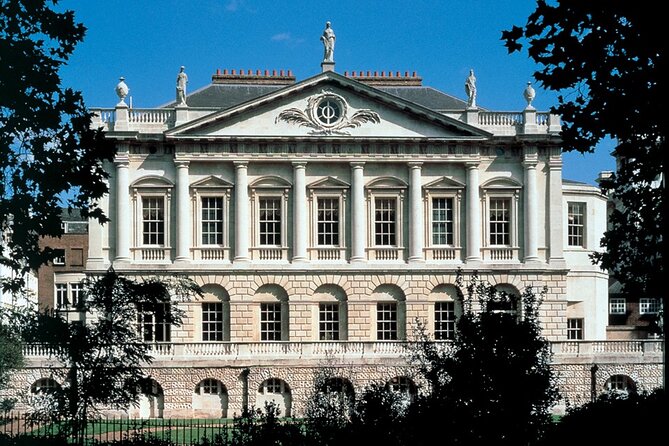
Clarence House was built between 1825 and 1827 for the Duke of Clarence, who became King William IV in 1830. He preferred it to nearby St James’s Palace, which he considered too cramped. That small personal detail gives the building more life than a standard architectural description.
You see Clarence House from outside during the walk. The same applies to St James’s Palace and Buckingham Palace unless you add the relevant entrance option. I appreciate this distinction because it keeps expectations clear: the basic experience is a royal history walk, not a full palace admission tour.
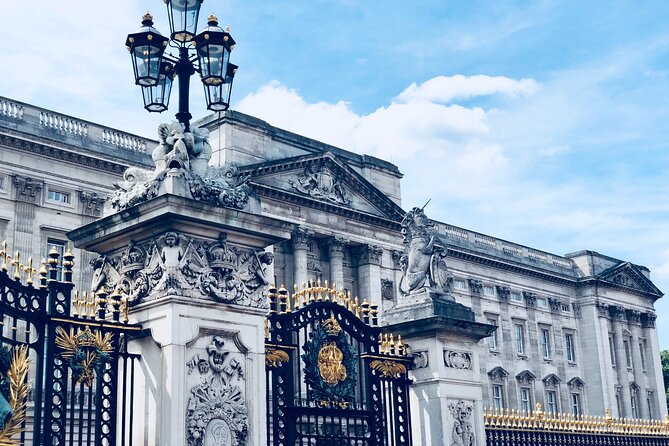
Buckingham Palace is the major photo stop. The site has a much older story than the present palace suggests. In the Middle Ages, it formed part of the Manor of Ebury, also called Eia. The ground was marshy and watered by the Tyburn River, which still runs below the palace courtyard and south wing.
Ownership passed through several hands, including Edward the Confessor and Edith of Wessex in late Saxon times, then William the Conqueror after the Norman Conquest. William gave the land to Geoffrey de Mandeville, who later bequeathed it to the monks of Westminster Abbey.
Your guide can make this long sequence manageable by turning it into a story about a site changing from wet medieval ground to one of the world’s most recognizable royal addresses. The stop itself is brief, listed at about five minutes, so do not expect time to explore the palace grounds as part of the standard walk.
You also should not book this tour mainly for the Changing of the Guard. One person specifically wished the route had included part of the ceremony. The schedule does not promise that feature, and timing can vary. If the guard ceremony is your top priority, treat it as a separate plan.
A few more to weigh up in London
- Stonehenge, Windsor Castle, and Bath from London
★ 4.5 · 18,662 reviews - London Big Bus Hop-On Hop-Off Tour with Optional River Cruise
★ 3.5 · 10,803 reviews - London Small Group Tour of Historical Pubs
★ 5.0 · 10,422 reviews - Stonehenge, Windsor Castle and Bath with Pub Lunch in Lacock
★ 4.5 · 7,402 reviews
Wellington Arch, Bomber Command, and Apsley House
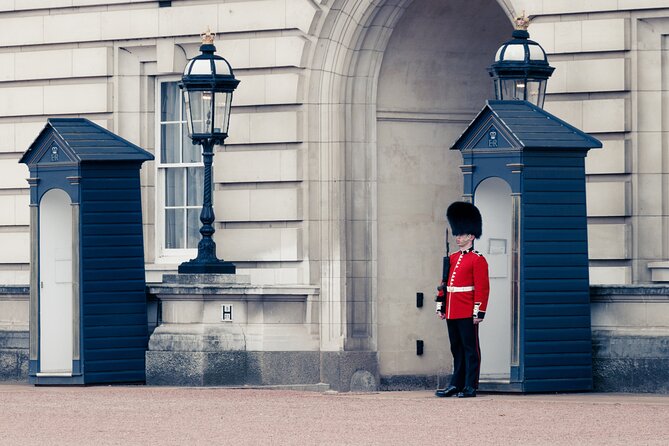
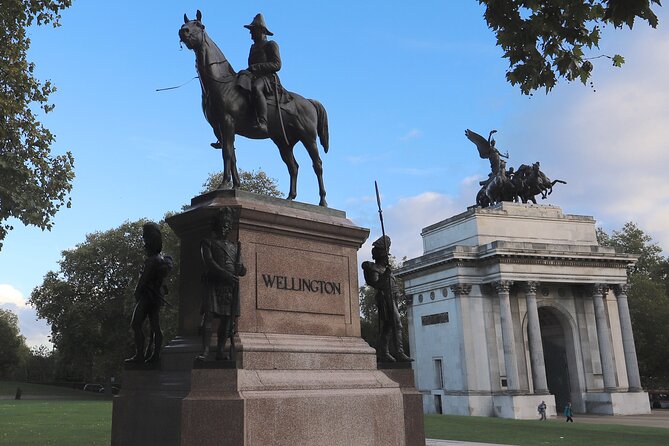
The walk continues toward Wellington Arch, designed by Decimus Burton in 1828. The arch originally had a ceremonial role, and its central passage was reserved for royalty. A four-horse chariot with a figure of Peace was added in 1912.
This is a useful change of pace after the royal residences. You get a sense of how monuments, roads, and ceremonial routes reinforce the power of the crown and the state. The stop is short, so the guide’s explanation again does most of the work.
Nearby, the Bomber Command Memorial records the service and loss of RAF Bomber Command crews during the Second World War. It commemorates 55,573 aircrew from Britain, Canada, Australia, New Zealand, Czechoslovakia, Poland, and other Allied countries, along with civilians of all nations killed during bombing raids.
I value the inclusion of this memorial because it prevents the walk from becoming a string of royal names and palace stories. It gives the route a quieter, more serious moment. You should expect the guide to cover the memorial respectfully, not rush past it as a photo stop.
Apsley House was built in red brick by Robert Adam between 1771 and 1778 for Lord Apsley, the Lord Chancellor. Some Adam interiors survive, including the Piccadilly Drawing Room and the Portico Room behind the giant Corinthian portico later added by Wellington.
Again, you see the house as part of the outdoor route. The stop provides architectural and political context, but admission is not included in the walking package unless you select an entrance option.
Royal Albert Hall and the Albert Memorial
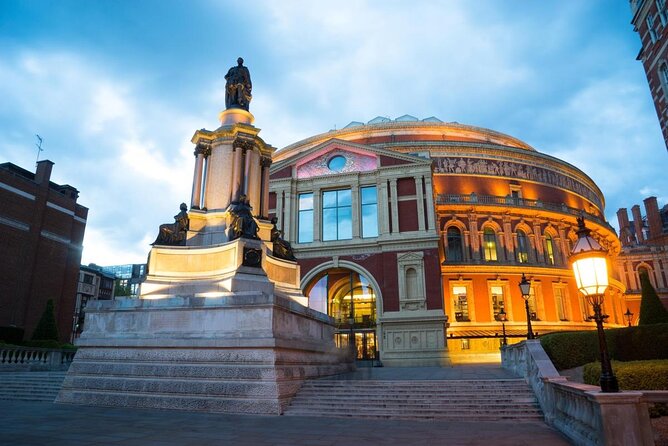
The route then moves toward South Kensington and the Royal Albert Hall. Opened by Queen Victoria in 1871, the concert hall seats 5,272 people and has hosted leading performers from many types of music and performance.
The building gives the walk a wider cultural frame. This is not only a tour of royal residences. It also follows the institutions and monuments shaped by Victorian royal influence.
The Albert Memorial in Kensington Gardens is one of London’s most ornate monuments. It commemorates Prince Albert, who died of typhoid in 1861. The memorial is an important lead-in to Kensington Palace because it connects the public monument outside with the private royal life inside the palace grounds.
These stops also explain why the tour cannot honestly be treated as a quick palace circuit. The route moves across several central London districts. One review described the walk as manageable rather than overly athletic, while another advised you to be prepared for lots of walking. Both points can be true. The pace may be comfortable, but the distance still adds up.
Kensington Palace and the final tea
Kensington Palace is the final major stop, and the walk ends at the Orangery, where afternoon tea is served. This creates a satisfying finish: the tour moves from royal avenues and exteriors to a proper table service in the palace setting.
The palace has plenty of dramatic stories. One concerns George II, who was blind in one eye and hard of hearing. On October 25, 1760, he rose at 6:00 am, drank hot chocolate, and went alone to his close stool. After a loud crash, his valet found him on the floor. He died before Princess Amelia could reach him, from a thoracic aortic dissection. He was nearly 77 and remains the most recent monarch buried in Westminster Abbey.
That kind of detail is exactly where a good guide earns the fee. It is odd, human, and memorable. Simon, David, and Tom were repeatedly praised for turning royal facts into stories that worked for families and mixed-age groups.
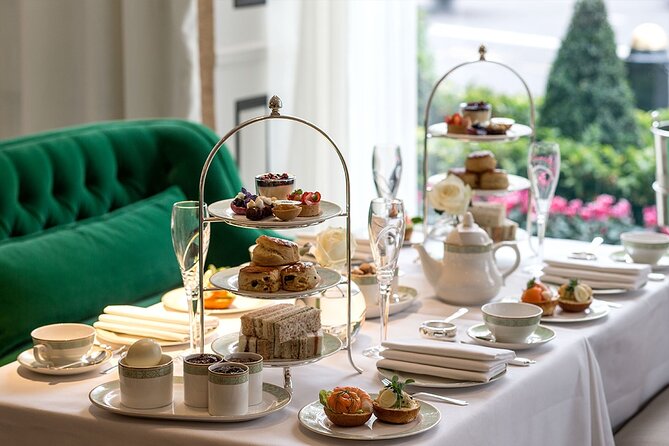
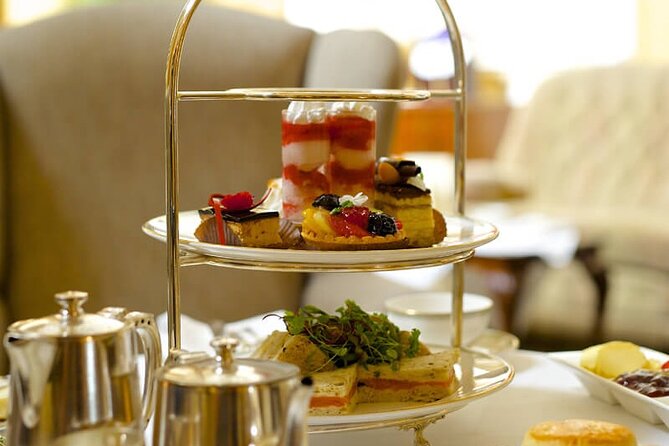
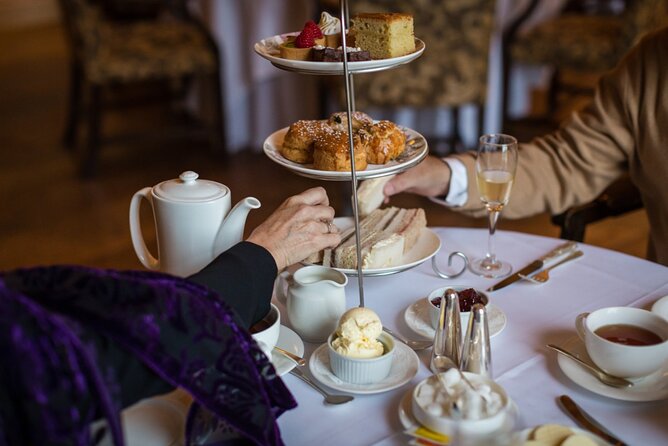
The tea itself includes delicate finger sandwiches, Welsh scones with and without raisins, clotted cream, strawberry jam, and a seasonal selection of cakes. The menu changes with the season. Gluten-free, vegan, vegetarian, and halal choices are available if requested in advance.
The setting adds a special touch. One review highlighted tea served on Princess Diana’s royal china. You should confirm the precise china and service details when booking, since the menu and seasonal presentation can change, but the palace setting is clearly part of the appeal.
A child tea is typically for children aged 11 and under. Alcohol is not included, though you can purchase alcoholic drinks during the tea service. You receive a private table, which is a welcome detail after walking through central London.
What the $173.45 price really buys you
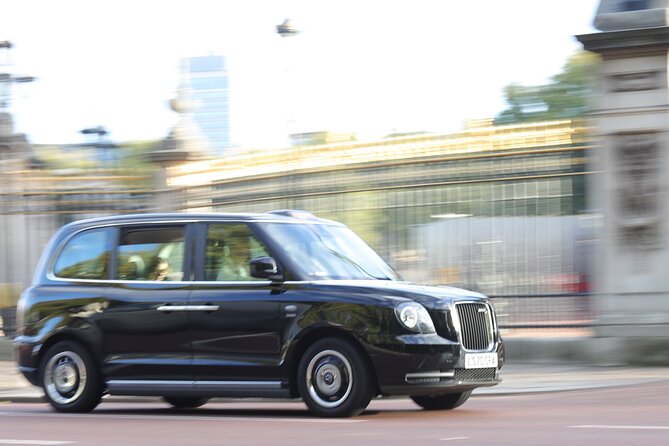
At $173.45 per person, this is not a cheap way to see Buckingham Palace from outside. You are paying for a small group, a guide-led royal history walk, the tea service, a reserved private table, and the convenience of linking several royal areas in one outing.
The value is strongest if you want interpretation and a polished finish. A self-guided walk can show you the same streets and façades for very little money, but it will not explain why St James’s remained the official royal palace, how the Tyburn River relates to Buckingham Palace, or why Clarence House was preferred by William IV.
The price is less attractive if you mainly want palace interiors. Entrance to the state rooms is only included if selected at checkout. Check that option carefully before paying, since the standard package does not include palace admission.
The tour is also a practical choice for a short London visit. It connects three royal residences, several major monuments, and afternoon tea without requiring you to plan each transfer. You still need to pay the £1.75 bus fare, and private transport is not included.
Group size, pace, and practical details
The maximum group size is 10, with four to six people typical. That is small enough for questions and personal attention, especially if you are traveling with children or want history explained rather than delivered as a speech.
The experience is offered in English and includes a mobile ticket. It operates near public transport, and most people can take part. Service animals are allowed.
The advertised duration is approximately two hours, but the route and the many stops mean you should allow flexibility. The walk begins in Green Park and finishes at Kensington Palace’s Orangery. Wear comfortable shoes, keep your contactless card or Oyster card ready, and do not schedule a tight appointment immediately afterward.
Free cancellation is available until 24 hours before the start time. Changes or cancellations inside that window are not accepted for a refund. The experience also requires a minimum number of participants, so a cancellation for that reason may lead to another date or a full refund.
Who will enjoy this royal walk most?
I would choose this experience if you want a guided introduction to central London’s royal quarter and prefer a small group to a large coach tour. It suits first-time visitors, families, history fans, and anyone who wants afternoon tea without arranging a separate reservation.
It is also a good match for people who enjoy stories about buildings, not only entry tickets. Simon’s ability to explain history to different ages was praised, while David was valued for detail, warmth, and a personal touch. Tom was described as delightful and well informed. The guide can make a major difference here, since many stops are short and outdoors.
I would look elsewhere if you want extensive time inside Buckingham Palace or Kensington Palace. I would also avoid it if you dislike walking, need a completely private vehicle, or want the Changing of the Guard guaranteed.
Should you book Buckingham Palace, St James’s Palace, and tea at Kensington Palace?
Book it if you want royal history with a proper afternoon tea finish, and confirm the palace entrance option before checkout. The strongest parts are the small group, the engaging guides, the lesser-used St James’s streets, and the final service at Kensington Palace.
Skip it if your priority is spending hours inside palace rooms. For everyone else, this is a well-planned way to connect three royal homes and several important London monuments in one compact outing, provided you arrive ready to walk.
FAQ
Where does the tour begin?
It begins at Green ParkUnderground Ltd, Piccadilly, London W1J 9DZ, UK.
Where does the tour end?
It ends at the Orangery at Kensington Palace in Kensington Gardens, London W8 4PX, where afternoon tea is served.
How long does the experience last?
The stated duration is approximately two hours.
Is palace admission included?
The walking tour does not include palace entry unless you select entrance to the state rooms at checkout.
Which palaces are included in the route?
The route covers Buckingham Palace, St James’s Palace, and Kensington Palace.
Is afternoon tea included?
Yes. The tea includes finger sandwiches, Welsh scones with clotted cream and strawberry jam, and a seasonal selection of cakes.
Are dietary options available?
Gluten-free, vegetarian, vegan, and halal options are available with prior request.
Is the tour suitable for children?
Most people can participate, and a child tea is typically available for children aged 11 and younger.
Do I need to pay for transportation?
Private transport is not included. You should bring a contactless card or Oyster card for the £1.75 bus fare.
How large is the group?
The maximum group size is 10 people, and the usual group has four to six participants.
Just added in London
- Private Transfer From London to Southampton Cruise Terminal★ 4.0 · 2 reviews
- Layover Tour of London from LHR Executive Luxurious Vehicle Private Tour 6 hour★ 4.5 · 9 reviews
- Pub & History Tour London (History & Beers)★ 5.0 · 3 reviews
- eSIM for UK (34 EU countries) | 3 to 30 days. Up to 40GB of data★ 4.0 · 18 reviews
- Young Victoria’s London: Windsor Castle & Kensington Palace★ 5.0 · 1 review
- Zombie Scavengers Game – Southend-on-Sea, UK★ 4.5 · 2 reviews
- Women of Whitechapel 2 hour Walking Tour★ 5.0 · 15 reviews
- Working Women of the East End Walking Tour★ 5.0 · 85 reviews
Buckingham Palace Tickets, compared.
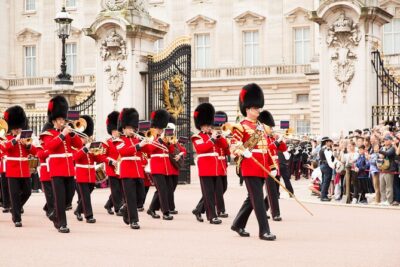
Buckingham Palace Entrance Ticket & Changing of the Guard Tour
Read our review →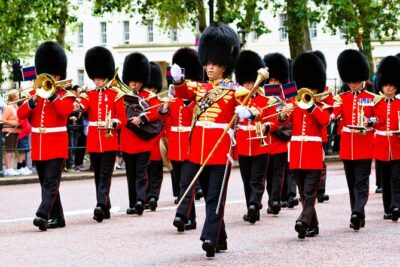
Changing of the Guard Guided Tour at Buckingham Palace
Read our review →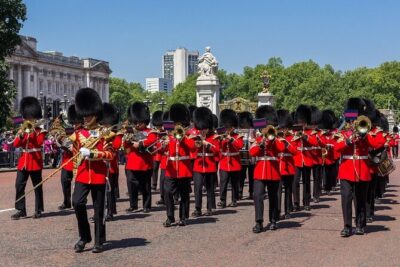
Changing of the Guard Walking Tour in London at Buckingham Palace
Read our review →
Buckingham Palace & Big Ben (& Westminster Abbey entry)
Read our review →
The Changing of the Guard Tour and Buckingham Palace
Read our review →
Buckingham Palace Entrance Ticket & British Royalty Guided Tour
Read our review →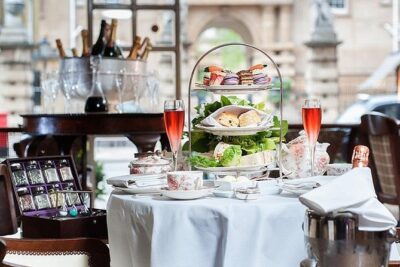
Afternoon Tea at The Rubens at the Palace, Buckingham Palace
Read our review →
Buckingham Palace & Changing of the Guard Experience
Read our review →Browse the lists this tour appears in