
Reviewed · SELF-GUIDED TOURS
Western Approaches Self Guided Tour
Liverpool’s wartime secrets sit below your feet. The Western Approaches Self Guided Tour takes you into a former World War II command bunker near Liverpool Town Hall, where original rooms, maps, telephones, and working spaces explain the city’s vital role in the Battle of the Atlantic. I like the freedom to move at my own pace, and I like that the ticket includes free return visits for 12 months. The main drawback is that the displays can feel text-heavy and less interactive than London’s Churchill War Rooms.
This is a compact museum, but allow one to two hours, and possibly longer if you read everything. I especially like the preserved Map Room, left as it was when the bunker closed on 15 August 1945. You should also know that the entrance is at street level, followed by steps down into the bunker, so the visit requires a moderate level of physical fitness.
In This Review
- Key points to know before you go
- Finding Liverpool’s wartime headquarters near Town Hall
- What Western Approaches meant during World War II
- Inside the Map Room, the bunker’s working heart
- Documents, telephones, and the machinery of secrecy
- A self-guided route through hidden rooms
- How the museum compares with the Churchill War Rooms
- The final room, wartime prices, and a slower finish
- Is $24.26 good value?
- Who will get the most from this visit?
- Booking, timing, and cancellation advice
- Should you book Western Approaches Self Guided Tour?
- FAQ
- Where is the Western Approaches Museum?
- How long does the self-guided tour take?
- What are the museum’s opening hours?
- Is admission included with the mobile ticket?
- Can I return after my first visit?
- Are there steps into the bunker?
- Can I cancel for a full refund?
Key points to know before you go
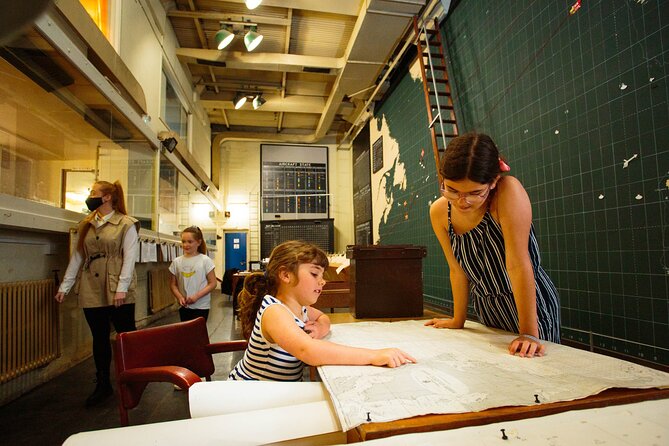
- Original Battle of the Atlantic Map Room: See the bunker’s nerve center, including the huge operational map used to track convoys and enemy positions.
- A direct line to London: One of only two surviving wartime telephones with a direct connection to the War Cabinet remains on display.
- A true self-guided visit: Walk the corridors, examine desks and documents, try typewriters, and explore without a fixed tour group or rushed timetable.
- A useful annual pass: Your admission includes free return entry within 12 months, which adds value if you are staying in Liverpool or plan to return.
- A small museum with a big subject: The bunker explains how Liverpool supported Allied shipping and intelligence during the war.
- A quiet end to the visit: Hot drinks are available at wartime prices, with traditional games and a film about life in Liverpool during the war.
Finding Liverpool’s wartime headquarters near Town Hall
Western Approaches HQ is close to Liverpool Town Hall and roughly a five-minute walk from Albert Dock. That makes it easy to pair with the waterfront, though the museum entrance can be easy to miss. Street signage in this part of Liverpool is not always clear, so give yourself a little extra time to get your bearings.
The entrance is at street level. After checking in, you descend into the bunker by staircase. That change is part of the experience: you leave the busy city center behind and enter the enclosed world where naval officers, WRNS personnel, and WAAF personnel worked through the war.
The museum is open daily from 10 a.m. to 6 p.m. The flexible hours suit a day of sightseeing well. You can visit before lunch, stop in after the Albert Dock, or use it as a final indoor activity later in the afternoon.
Your ticket is a mobile ticket, and admission to the Western Approaches Museum is included. The experience is offered in English. Service animals are allowed, and the museum is near public transportation, but the steps into the bunker are important to consider before booking.
More Self-Guided Tours in Liverpool:
- Liverpool Ghost Hunt: Paranormal Detective Self-Guided Game
★ 4.5 · 26 reviews - Private Liverpool Self-Guided Tour
★ 4.5 · 19 reviews - Liverpool Quest: Self Guided City Walk & Immersive Treasure Hunt
★ 4.5 · 2 reviews
What Western Approaches meant during World War II
The name Western Approaches refers to the sea routes west of the British Isles. During World War II, these waters were essential to Britain’s survival. Food, fuel, military equipment, and other supplies crossed the Atlantic by ship, while German U-boats tried to cut those supply lines.
Liverpool became a major base for organizing and protecting this traffic. The bunker housed the people and equipment used to track convoys, gather information, pass reports to commanders, and help direct the Royal Navy toward enemy vessels.
That context matters because this is not simply a museum about soldiers at the front. Much of the story concerns information, timing, communications, and the work of people who rarely appear in the usual war photographs. You see how a report from the sea could be recorded, plotted, passed along, and turned into action.
The bunker also gives attention to the women who worked there. WRNS and WAAF personnel were part of the daily operation, handling communications and administrative duties under pressure. The separate WRNS display is an unexpected highlight, particularly if you want a fuller picture of wartime work beyond the better-known military stories.
Inside the Map Room, the bunker’s working heart
The Map Room is the main reason I would make time for this museum. It was the command center of the bunker, where staff monitored shipping lanes and marked the position of convoys and enemy craft on a large map.
The room has been preserved as it was left when the doors closed on 15 August 1945. That gives it a rare sense of place. You are not looking at a modern reconstruction designed to suggest wartime work. You are looking at a room that retained its layout and working atmosphere after the conflict ended.
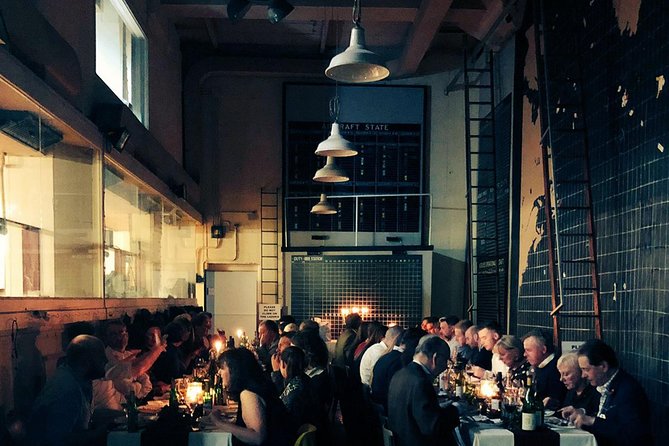
The scale of the room helps you understand the pressure involved. Maps covered the walls, and long ladders were used to reach them. Accuracy was critical. A misplaced position could send a naval vessel toward the wrong area or leave a convoy exposed.
Take your time here. At first glance, the map markings may look like a mass of lines and symbols. Read the explanations, then look again. The room makes more sense once you understand that every mark represented a ship, a route, a sighting, or a decision.
The Map Room is also where the museum feels most powerful. The setting does much of the storytelling, and you can picture staff working through long shifts to keep supplies moving across dangerous waters.
Documents, telephones, and the machinery of secrecy
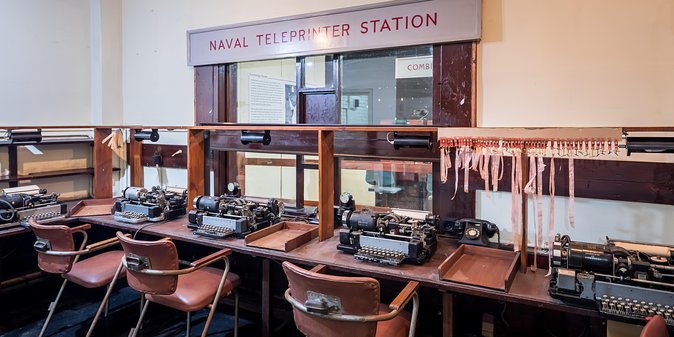
The tour continues through rooms containing wartime documents, office equipment, communications tools, and operational material. You can see the type of information used to monitor enemy convoys and report findings to the British government while keeping intelligence from German forces.
One of the most unusual objects is a wartime telephone with a direct connection to the War Cabinet in London. Only two such phones are known to survive. It is a small object, but its purpose gives it weight. This was not an ordinary office line. It linked Liverpool’s command work directly to the center of British wartime decision-making.
You can also examine the telephone exchange and teleprinter machines. The museum allows you to sit at desks, try typewriters, and handle some of the interactive elements. These details help turn the bunker from a collection of cases into a place where work actually happened.
Still, the museum is not packed with modern digital exhibits. Much of the presentation relies on written information and static displays. If you prefer audio guides, large touch screens, or frequent film segments, you may find the visit somewhat old-fashioned.
That limitation is worth knowing in advance. The subject is dramatic, but the museum often asks you to read and imagine rather than watch a staged presentation. I find that approach fitting for a command bunker, though families with younger children may need to encourage them through the text-heavy rooms.
A few more to weigh up in Liverpool
- Beatles Magical Mystery Tour
★ 5.0 · 9,266 reviews - Liverpool: “Blue Route” – City & Beatles Tour
★ 5.0 · 8,562 reviews - Liverpool City Sights Hop On Hop Off City Tour – 24hr Ticket
★ 4.5 · 2,555 reviews - The LFC Stadium Tour
★ 5.0 · 1,548 reviews
A self-guided route through hidden rooms
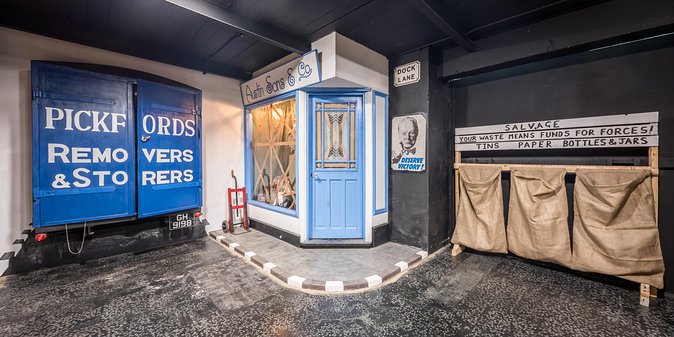
Because this is a self-guided visit, you choose the pace. There is no need to remain with a group or keep up with a guide. You can move quickly through familiar material, then stop for several minutes in the Map Room or at a communications display.
The route leads through bunker corridors and a series of rooms, each focused on part of the wartime operation. You may see workstations, documents, maps, telephones, typewriters, teleprinters, uniforms, and other objects linked to the people who operated the headquarters.
Trying on uniforms and sitting at desks gives the visit a practical touch. These are simple features, but they are useful for children and for anyone who wants more than a row of display cases. The typewriters and teleprinter machines also show how much wartime communication depended on routine, patience, and careful handling of information.
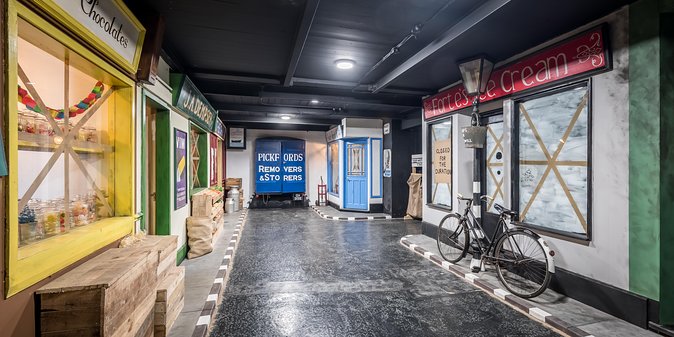
The bunker’s corridors and tunnel-like rooms are part of the appeal. They are not polished museum galleries. Their plain, enclosed character helps you sense the secrecy and pressure surrounding the headquarters.
Allow at least an hour if you want a quick look. Two hours is more comfortable if you read the panels, inspect the equipment, and watch the film at the end. One useful advantage of the annual pass is that you do not need to see everything in one visit. You can return within 12 months at no extra admission cost.
How the museum compares with the Churchill War Rooms
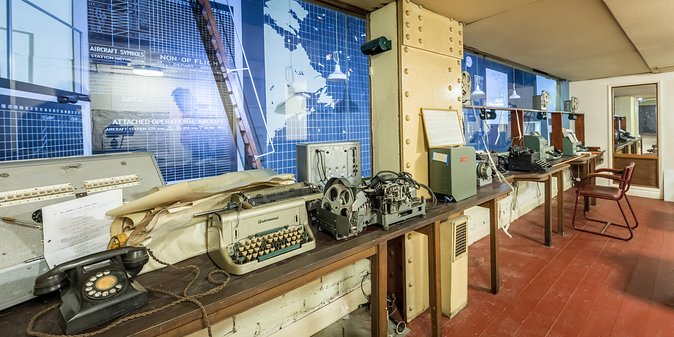
If you have visited the Churchill War Rooms in London, you may notice a difference in scale and presentation. The London museum offers a larger, more heavily produced experience, with extensive audio and visual storytelling. Western Approaches is smaller and less polished.
That comparison should not make Liverpool’s museum seem unimportant. Its strength is the original bunker setting and its specific focus on the Atlantic supply routes. The Map Room, direct-line telephone, communications equipment, and Liverpool connection give it a clear identity.
The museum could do more with its displays. Battle maps and operational boards would benefit from audio explanations or stronger interactive features. Some visitors may wish for more film content and more guidance through the technical details.
I would treat Western Approaches as a local command center rather than a rival to London’s national wartime museum. If you are interested in how the war was organized at ground level, especially the work behind convoy protection, this visit adds something different.
The final room, wartime prices, and a slower finish
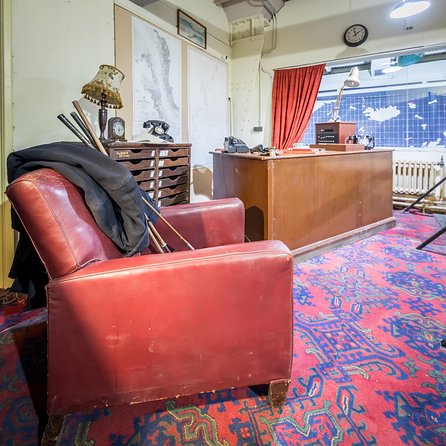
At the end of the route, you can stop for hot drinks sold at wartime prices. There are also traditional games and a film about life in Liverpool during the war.
This small closing area gives the visit a change of pace. After reading about naval movements, intelligence, and dangerous sea routes, you can sit down and consider how the war affected ordinary life in the city.
The games are useful for families, while the film helps place the bunker’s military work in a wider Liverpool setting. It is not a large cafe or entertainment area, but it is a pleasant place to pause before returning to street level.
Is $24.26 good value?
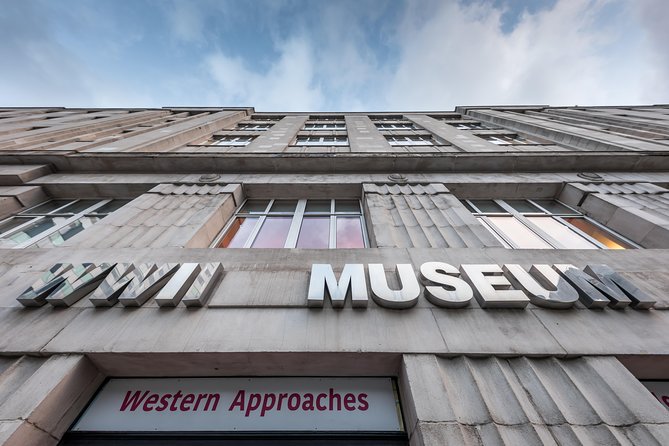
At $24.26 per person, the ticket is fairly priced for a central Liverpool museum with a preserved wartime headquarters and an annual return pass. The value improves if you are interested in World War II and expect to return to Liverpool within the next year.
The free return admission is more than a minor extra. A first visit can easily become a quick orientation tour, followed by a second visit focused on the Map Room, WRNS displays, or communications equipment. You can also return with friends or family and spend more time with the material.
For someone looking for a large, high-tech attraction, the price may feel less convincing. The museum is relatively small, and its presentation leans heavily on objects and written explanations. You are paying for access to an important original site, not for a heavily staged show.
I would consider it good value for adults interested in military history, Liverpool’s wartime role, or the Battle of the Atlantic. Families may also find it worthwhile, especially because of the uniforms, typewriters, traditional games, and freedom to set their own pace.
Who will get the most from this visit?
This experience suits you best if you enjoy:
- World War II and naval history
- Liverpool’s role in the Allied war effort
- Original military rooms and equipment
- Self-guided museums
- Quiet, detail-focused visits
- Museums that explain the work of support staff as well as commanders
It is particularly useful for anyone who has already seen major wartime museums and wants a more focused Liverpool connection. The WRNS material also makes the visit worthwhile for anyone interested in the role of women during the war.
You may enjoy it less if you want constant video, sound effects, or a guide explaining every display. The museum expects you to read, look closely, and build the story from the evidence around you.
The steps into the bunker are another practical consideration. The site is near public transportation, and service animals are allowed, but the supplied information specifically asks visitors to have moderate physical fitness. If stairs are difficult for you, contact the museum before booking.
Booking, timing, and cancellation advice
The museum is open every day from 10 a.m. to 6 p.m. Since the visit is self-guided, you do not need to plan around a scheduled group departure. A mobile ticket keeps entry simple.
The experience is often booked about 21 days in advance, so planning ahead is sensible if your Liverpool dates are fixed. Free cancellation is available up to 24 hours before the scheduled start time. Cancellations or changes made inside that 24-hour window are not accepted for a refund, and the cut-off follows Liverpool local time.
You can combine the museum with Albert Dock and Liverpool Town Hall because of its central location. Plan enough time for the descent, the rooms, and the closing film rather than treating it as a rushed 30-minute stop.
Should you book Western Approaches Self Guided Tour?
Yes, if you want a focused and atmospheric look at Liverpool’s wartime command work. The original Map Room, rare telephone, preserved offices, and WRNS displays give the museum real substance. The annual return pass makes the $24.26 price easier to justify.
I would not book it expecting the scale or technology of the Churchill War Rooms. The exhibits can be text-heavy, and some displays would be stronger with audio or interactive explanations. But if you enjoy authentic rooms, careful reading, and the less familiar story of convoy protection, Western Approaches is a worthwhile addition to a Liverpool itinerary.
Go in with one to two hours available, wear comfortable shoes for the stairs, and give the Map Room your full attention. That is where the museum’s story comes together.
FAQ
Where is the Western Approaches Museum?
The museum is in Liverpool City Centre, close to Liverpool Town Hall and about a five-minute walk from Albert Dock.
How long does the self-guided tour take?
The visit takes approximately one to two hours, depending on how closely you read the displays and how much time you spend with the film and interactive items.
What are the museum’s opening hours?
The museum is open Monday through Sunday from 10 a.m. to 6 p.m.
Is admission included with the mobile ticket?
Yes. Entry to the Western Approaches Museum is included with the mobile ticket.
Can I return after my first visit?
Yes. Admission includes free return visits within 12 months through the annual pass.
Are there steps into the bunker?
Yes. The entrance is at street level, but you must go down steps to enter the bunker. Visitors should have a moderate level of physical fitness.
Can I cancel for a full refund?
Yes, if you cancel at least 24 hours before the experience start time. Cancellations made less than 24 hours in advance are not refunded.
Just added in Liverpool
- Scouse Safari private 3 hour authentic Liverpool experience★ 5.0 · 2 reviews
- LIVERPOOL: Yorkshire Adventure – Sightseeing Day Trip Tour★ 5.0 · 13 reviews
- Liverpool City Scavenger Hunt Excursion by Zombie Scavengers★ 5.0 · 1 review
- The Story of Liverpool 2-Hour Walking Tour★ 5.0 · 3 reviews
- Half Day Welcome to Liverpool Walking Tour★ 5.0 · 17 reviews
- Fun, Flexible Treasure Hunt Around Liverpool with Cryptic Clues & Hidden Gems★ 5.0 · 141 reviews
- Beatles Ticket To Ride Half Day Tour Small Groups★ 5.0 · 60 reviews
- Small-Group: Experience Local Food Tour in Liverpool★ 5.0 · 32 reviews
Self-Guided Tours, compared.
Westminster Abbey Entrance Ticket Including Audio Guide
Read our review →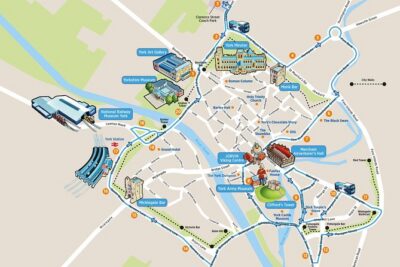
Golden Tours York Hop-on Hop-off Open Top Bus Tour with Audio Guide
Read our review →
Windsor Castle Tour from London with Transportation & Audio Guide
Read our review →
London Panoramic Open Top Bus Tour with Audio Guide
Read our review →
Romans, Vikings and Medieval York: An Audio Tour
Read our review →
Emirates Stadium and Arsenal Museum Entrance Ticket Including Audio Guide
Read our review →
Private Self-Guided Dinky Door Hunt in Cambridge
Read our review →
Buckingham Palace: Walking Tour with Entry & Audio Guide
Read our review →Browse the lists this tour appears in