Reviewed · WALKING TOURS
Walking tour of Lancaster – Execution Slavery Industry
Lancaster’s past is darker and stranger than its pretty streets suggest. This three-hour walk connects the castle, harbour, courts, and canals with stories of executions, slavery, witchcraft, royalty, murder, and industry. I like the way it brings several central sights together, and I like that guide Barrie mixes solid local facts with lively anecdotes rather than delivering a dry procession of dates. The main drawback is simple: you will spend much of the tour standing and walking outdoors, so cold or wet weather can take the edge off it.
I also like the small-to-medium group size, capped at 20 people, and the easy meeting point outside Lancaster Castle. At $20.81 per person, the price is fair for three hours of guided sightseeing, especially if you are new to Lancaster or visiting the wider Lancashire area. Just do not expect a tour built around entering every attraction. Much of the experience takes place outside, with the guide explaining what you are seeing.
In This Review
- Five things to know before you book
- Why this Lancaster walk is worth your afternoon
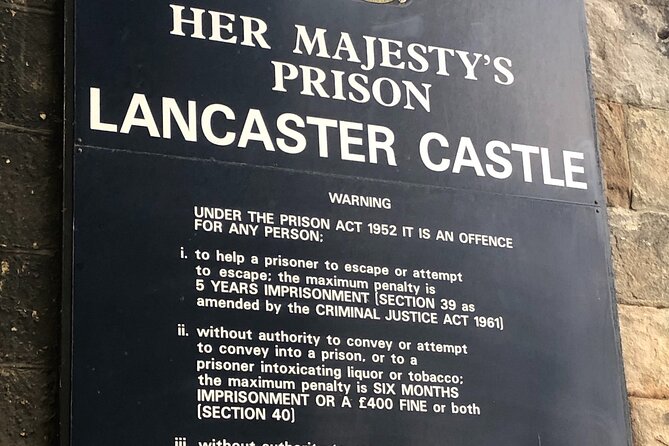
- Starting at Lancaster Castle with trials and executions
- Saint George’s Quay and Lancaster’s slave-trade past
- Judges’ Lodgings, witchcraft, and the legal city
- Church Street and the missing prince
- Market Street and two royal stories
- Dalton Square, forensic science, and slave-owner compensation
- Lancaster Canal and the age of White Cross Mill
- Penny’s Almshouses and practical charity
- The Storey and Lancaster’s educational tradition
- Barrie’s guiding style and the pace of the walk
- Is $20.81 good value for three hours?
- Practical details before you set out
- Who should book this Lancaster tour?
- FAQ
- How long does the walking tour last?
- Where does the tour start?
- Where does the tour finish?
- What language is the tour offered in?
- How large can the group be?
- Does the tour include admission tickets?
- Is the tour suitable for most people?
- What happens if the tour is canceled because of weather?
Five things to know before you book
- Lancaster Castle opens the story: Begin at the castle entrance and learn about prisoners, trials, executions, and the building’s wider role in local life.
- The slavery connection is central: Saint George’s Quay reveals Lancaster’s links to the international slave trade, while Dalton Square explains compensation paid to slave owners.
- Barrie is the key strength: His delivery combines detailed local research, humour, questions, and amusing side stories.
- You cover nine locations: The route includes the quay, Judges’ Lodgings, city streets, Dalton Square, the canal, Penny’s Almshouses, and The Storey.
- Plan for outdoor conditions: The walk lasts about three hours, with plenty of walking and standing. The tour may be changed or refunded if poor weather prevents it.
Why this Lancaster walk is worth your afternoon
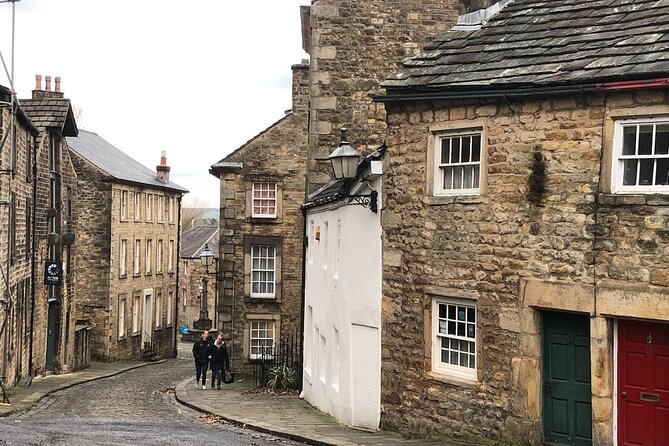
Lancaster can be confusing on a first visit. Its castle sits above a centre filled with old streets, civic buildings, canal-era remains, and reminders of the port that once connected the city to overseas trade. This walk gives you a useful framework before you explore alone.
I like tours that explain how separate buildings fit together. Here, an old harbour is not just an attractive waterside stop. It becomes part of the story of commerce and slavery. A square is not just an open space. It links a notorious murder case with payments made to slave owners. A grand house points toward witchcraft and the legal world.
The tour is also a good choice if you have only an afternoon in Lancaster. You will not spend hours inside one museum, and you will not need to work out the route yourself. Instead, you move through the city at a steady pace while Barrie fills in the human stories behind the stonework.
The experience has earned a 4.9 rating from 71 reviews, with 99 percent of customers recommending it. That high score is consistent with the most repeated praise: Barrie’s command of local material, his humour, his ability to keep people interested for three hours, and the amount of ground covered for the price.
Still, keep your expectations sensible. This is a walking and storytelling tour, not a series of extended interior visits. If you want long periods inside Lancaster Castle or the city’s other historic buildings, you will need separate admission and extra time.
More Walking Tours in England:
- Oxford University Walking Tour With University Alumni Guide
★ 5.0 · 6,905 reviews - Tour for Muggles The Ultimate Harry Potter Walking Tour in London
★ 5.0 · 4,684 reviews - London Jack The Ripper Guided Walking Tour
★ 5.0 · 3,131 reviews
Starting at Lancaster Castle with trials and executions
The meeting point is on Castle Approach, Lancaster LA1 1YN, directly by the castle. That is a practical beginning for anyone unfamiliar with the city. You do not have to hunt for a hidden café or a street corner with a tiny sign.
The opening stop lasts about 20 minutes. Barrie sets the tone by asking what the castle represents beyond its impressive medieval appearance. The answer includes prisoners, court cases, executions, and the people whose lives passed through the legal system here.
This is an effective first stop because it gives the rest of the walk a moral and social context. Lancaster’s story is not only about grand buildings and successful merchants. It also involves punishment, fear, power, and the people who had little control over their own fate.
You will hear about famous and less famous prisoners. The approach appears to favour individual stories over a simple list of dates, which helps you picture the castle as a working institution rather than a silent old monument.
The drawback is that the castle portion is fairly short. You receive an outdoor introduction and historical explanation, not a full castle tour. If the castle itself is your main reason for coming to Lancaster, plan a separate visit.
Saint George’s Quay and Lancaster’s slave-trade past
From the castle, the route continues to Saint George’s Quay, an eighteenth-century harbour beside the River Lune. This stop lasts about 15 minutes and is one of the most important parts of the tour.
The quay helps you see Lancaster as a port city. The attractive waterfront buildings are tied to international trade, including the slave trade. That connection can be easy to miss if you only photograph the river and move on.
I value this part because it treats local prosperity as a complicated story. The city’s commercial growth did not happen in isolation. It was linked to distant markets and human suffering, and the tour brings those links into the streets you are actually walking through.
Barrie also introduces characters connected with the quay. These personal stories give shape to a subject that can otherwise feel remote. You are not dealing only with trade figures and broad economic terms. You are also considering the people who helped build, profit from, or live around this port.
The waterside can be particularly exposed in poor weather. One practical tip is to bring a waterproof layer even if the forecast looks uncertain. The tour requires good weather, but ordinary Lancashire cold can still make a long outdoor explanation uncomfortable.
Judges’ Lodgings, witchcraft, and the legal city
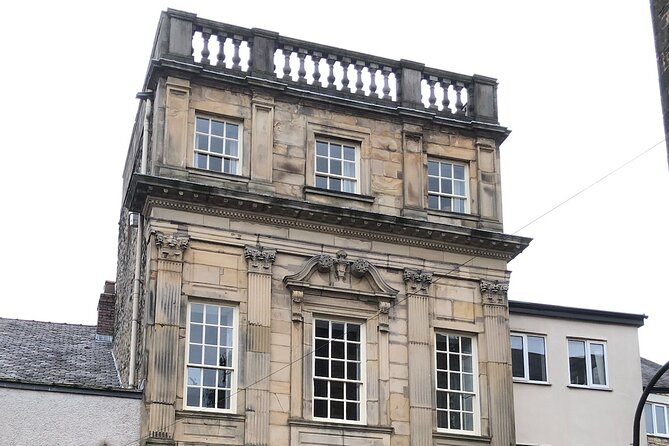
The walk then reaches Judges’ Lodgings, described as the oldest house in Lancaster. The stop takes about 10 minutes and shifts the focus from the harbour to property, law, and belief.
The house has a connection to witchcraft, as well as to the people who owned it. That combination makes it more than an attractive old residence. It helps you see how local authority operated, and how accusations of witchcraft could become part of the legal and social life of the area.
This is a good example of the tour’s range. In only a short distance, you move from overseas trade to a historic house and then into stories of superstition and justice. The subjects are varied without feeling completely disconnected.
You may find the short timing both useful and limiting. It lets the tour cover more of Lancaster, but it also means you must listen closely. There is no long pause to absorb every detail, and you may want to return to Judges’ Lodgings later if this subject catches your interest.
A completely different sort of day out:
- Stonehenge, Windsor Castle, and Bath from London
★ 4.5 · 18,662 reviews - London Big Bus Hop-On Hop-Off Tour with Optional River Cruise
★ 3.5 · 10,803 reviews - London Small Group Tour of Historical Pubs
★ 5.0 · 10,422 reviews - Beatles Magical Mystery Tour
★ 5.0 · 9,266 reviews
Church Street and the missing prince
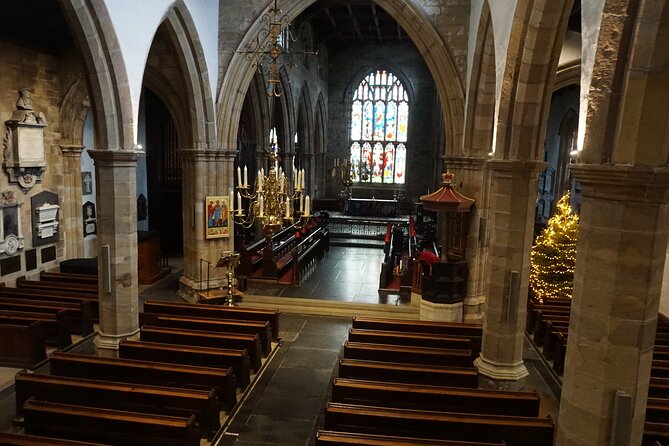
Church Street brings a royal mystery into the walk. The story concerns a prince who goes missing and the possibility that he might have become king of England.
This is the kind of tale that gives an old street a human hook. Instead of looking only at building dates, you are invited to think about uncertainty, succession, and the stories that grow around royal disappearance.
The stop lasts about 10 minutes. Barrie’s strength here is his use of anecdotes, and this subject suits a guide who enjoys telling a story with a little suspense. It also gives the tour a change of mood after the more serious discussion of slavery and witchcraft.
Do not expect a definitive royal palace experience. The value is in the local setting and the tale attached to it. You are hearing how a Lancaster street fits into a much larger English story.
Market Street and two royal stories
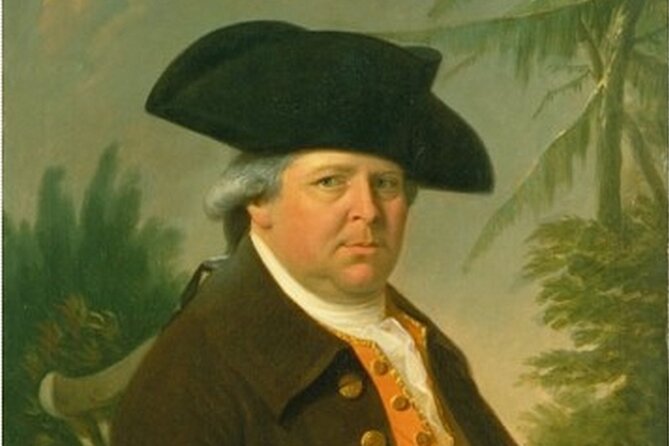
At Market Street, the tour adds two royal episodes separated by about 300 years. One prince raises a banner, while another loses a shoe.
Those details sound almost comic, and that is part of the appeal. The stories make royal politics memorable without turning the entire walk into a lecture on constitutional history.
This stop also shows how Barrie uses small details to keep the route moving. A banner and a shoe may seem minor, but they help you remember the larger events connected to these figures. Three hours of local history needs such hooks.
Market Street is also a useful reminder that the tour is not arranged as one single subject. It moves between punishment, trade, royal uncertainty, urban development, and personal drama. If you enjoy variety, that is a strength. If you prefer one narrow theme explored in great depth, the changing focus may feel less focused.
Dalton Square, forensic science, and slave-owner compensation
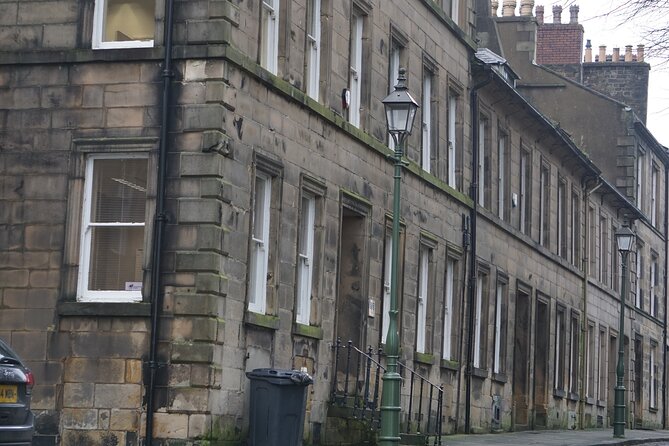
Dalton Square brings together two subjects that seem unrelated at first: a murder and a government bonus. The murder is presented as the first solved by forensic science, while the bonus concerns payments made to slave owners.
This is one of the more striking pairings on the route. It shows how Lancaster’s public spaces can connect crime, modern investigation, government policy, and the financial legacy of slavery.
The forensic story gives you a glimpse of changing police and legal methods. The compensation story reminds you that abolition did not erase the economic interests built around slavery. The money went to slave owners, not to the enslaved people, and that distinction matters.
This stop is likely to appeal to you if you prefer social history over royal architecture. It places local events inside wider questions about justice, evidence, government, and responsibility.
Again, the 10-minute format means the explanation is an introduction rather than a full case study. You will leave with subjects worth exploring further, which is one reason this tour works well early in a Lancaster visit.
Lancaster Canal and the age of White Cross Mill
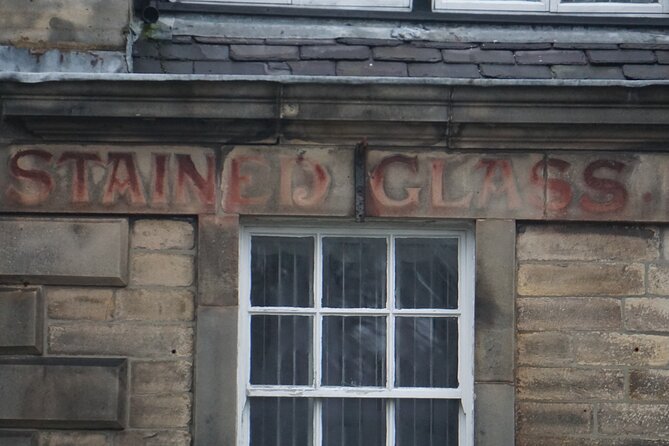
The route next reaches the Lancaster Canal and White Cross Mill. This 10-minute stop looks at the Storey brothers and the period when the canal helped drive local industry.
The canal offers a different view of Lancaster. Earlier stops deal with courts, ports, and public figures. Here, the focus shifts to transport, manufacturing, and the practical systems that allowed goods and businesses to grow.
I like this stop because it keeps the city from being reduced to stories of crime and scandal. Lancaster also developed through work, trade, mills, and movement along the water. The canal helps explain that economic side of the city.
The reference to the Storey brothers also prepares you for The Storey later in the route. That link gives the walk some useful continuity. You are not just ticking off unrelated locations. People and institutions reappear in different parts of Lancaster’s story.
The canal section is another outdoor pause, so comfortable shoes matter more than fashionable ones. The walking is described as gentle, but the overall outing can still leave you tired because of the time spent on your feet.
Penny’s Almshouses and practical charity
Penny’s Almshouses provide a close look at a charitable institution that still functions today. The 10-minute stop asks who founded it and how it was financed.
This is an appealing contrast to the castle and quay. Instead of looking at punishment or commercial wealth, you examine the way private money was used to support people in need.
The fact that the almshouse remains active gives the story a present-day connection. You are not looking only at a preserved relic. You are seeing an institution with an ongoing purpose, though the supplied information does not promise interior access.
This stop is especially useful if you enjoy seeing how ordinary social needs shaped historic towns. Charity, housing, education, and public service often hide behind handsome façades. A guide can point out those links in a way a self-guided walk might miss.
The Storey and Lancaster’s educational tradition
The final named stop is The Storey, an educational institute founded through donations. It later became a forerunner of the university tradition in the city.
This brings the walk toward education and civic ambition. After hearing about trade, law, crime, and royal stories, you finish with a building connected to learning and public giving.
The Storey also connects back to the Storey brothers and the canal-era industry. That recurring name helps you understand how individual wealth could influence the city well beyond business.
The tour ends back at the castle meeting point. That makes the route easy to manage, particularly if you have onward plans or want to return to the castle area for food, transport, or another attraction.
Barrie’s guiding style and the pace of the walk
Barrie receives the strongest praise for the way he presents the material. He is described as funny, engaging, patient with questions, and able to keep the group interested through changing weather and a large amount of information.
You should expect anecdotes alongside facts. The tone is lively rather than solemn, which suits subjects such as missing princes, lost shoes, murder, and local characters. At the same time, the route deals with slavery, executions, witchcraft, and poverty, so the humour does not remove the weight of those topics.
The pace is described as gentle, but the tour still involves plenty of walking and standing. Several people found it tiring by the end, even while calling the pace manageable. If you need frequent seating breaks, keep that in mind before booking.
Groups are limited to 20 people. That is large enough for the tour to run with energy, but small enough that questions should remain practical. The exact group on your date can vary, and the tour is offered in English.
Is $20.81 good value for three hours?
At $20.81 per person, I consider this good value if you want an overview of Lancaster rather than a single building visit. The route includes nine locations and covers subjects that would be difficult to connect on your own in one afternoon.
You are paying mainly for interpretation and route planning. Admission tickets are listed as free at each stop, but the experience is not designed as a package of interior entries. That keeps the cost modest while giving you a clear introduction to the city.
The value is strongest at the beginning of your stay. You can use the tour to decide which places deserve a longer return visit. It also works as an add-on if you are already exploring Lancashire and want a focused look at Lancaster.
The value is weaker if you dislike outdoor walking or already know the city well. Local residents may still hear new stories, but someone seeking a museum-style experience should allow extra time and money for separate attractions.
Practical details before you set out
The tour lasts approximately three hours and begins and ends at Castle Approach, Lancaster LA1 1YN. The castle-front meeting point is easy to find, and the route is near public transportation.
Confirmation is provided when you book. Service animals are allowed, and most people can participate, but the amount of standing and walking is worth taking seriously.
Wear shoes you can walk in comfortably and prepare for changing weather. The tour requires good weather, and if conditions force cancellation, you are offered another date or a full refund. The same applies if the minimum number of participants is not reached.
You can cancel for a full refund up to 24 hours before the start time. Changes or cancellations inside that 24-hour window are not accepted for a refund.
One unusual caution comes from a reported missed meeting. The provider offered a replacement tour and explained that it does not operate on winter Wednesdays. Check the exact operating date and time carefully before setting out, especially in the winter season.
Who should book this Lancaster tour?
I would choose this walk if you have limited time, enjoy local stories, or want a useful introduction before exploring alone. It suits people who like a guide with personality and who do not mind moving between serious subjects and lighter royal anecdotes.
It is also a strong option for history-minded visitors staying elsewhere in Lancashire. Lancaster’s central sights can feel scattered when you first arrive, and this route gives you a practical sense of how the castle, quay, streets, canal, and civic buildings relate to one another.
I would be more cautious if you want extensive time inside historic buildings, dislike standing outdoors, or need a very slow route with regular rest stops. The walking is gentle, but three hours is still a long time on your feet.
At $20.81, the tour earns its price through the range of places covered and Barrie’s lively delivery. Book it early in your Lancaster stay if you want orientation, context, and a list of places to revisit. Skip it only if your priority is a single attraction explored at length.
FAQ
How long does the walking tour last?
The tour lasts approximately three hours.
Where does the tour start?
It starts at Castle Approach, Lancaster LA1 1YN, beside Lancaster Castle.
Where does the tour finish?
The tour ends back at the meeting point by Lancaster Castle.
What language is the tour offered in?
The tour is offered in English.
How large can the group be?
The maximum group size is 20 people.
Does the tour include admission tickets?
The listed stops have no admission ticket charge as part of the walking route. The experience mainly takes place outdoors, so it is not presented as an extended interior tour of each building.
Is the tour suitable for most people?
Most people can participate, and service animals are allowed. You should still be prepared for plenty of walking and standing during the approximately three-hour experience.
What happens if the tour is canceled because of weather?
If poor weather causes a cancellation, you are offered a different date or a full refund. If the minimum number of participants is not reached, you are also offered a different date or experience, or a full refund.
Just added in England
- Private Transfers between London & Windsor★ 5.0 · 9 reviews
- Private Transfer: Heathrow Airport to London Kings Cross or St Pancras Stations★ 5.0 · 3 reviews
- London to Southampton Transfers★ 5.0 · 7 reviews
- Private 3-hour Tour of The Iconic Tower of London & Tower Bridge★ 4.5 · 6 reviews
- London to Southampton Cruise Port | Private Transfer★ 5.0 · 6 reviews
- Private Tour to Westminster Abbey with optional Houses of Parliament in London★ 4.0 · 15 reviews
- Private Tours to Stonehenge & Oxford★ 4.0 · 4 reviews
- Private Tour to Stonehenge and Windsor Castle★ 5.0 · 11 reviews
Walking Tours, compared.
Oxford University Walking Tour With University Alumni Guide
Read our review →
Tour for Muggles The Ultimate Harry Potter Walking Tour in London
Read our review →
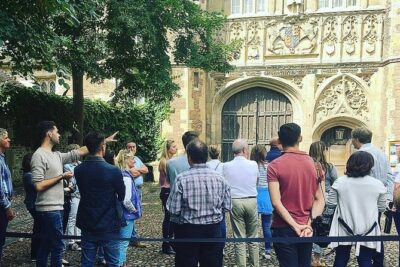
Cambridge University Walking Tour by Alumni™ Kings College Option
Read our review →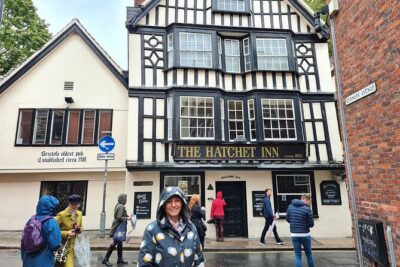
Blackbeard to Banksy – The Ultimate Walking Tour of Bristol
Read our review →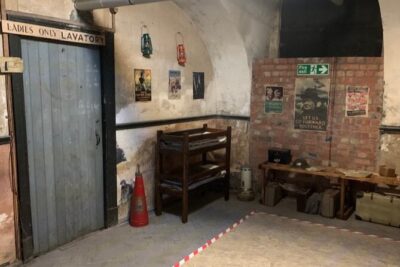
Air Raid Shelter + St. Nicholas Market Walking Tour
Read our review →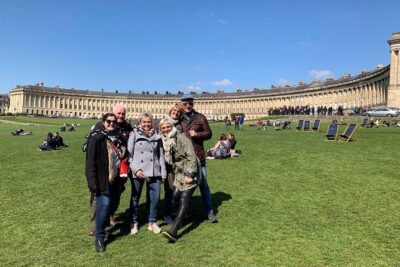
Walking Tour of Bath with Blue Badge Tourist Guide
Read our review →