
Reviewed · PHOTOGRAPHY SESSIONS
London Creative Photography Tour
Great photos start with better ways of seeing. This private London photography walk combines famous landmarks with busy streets, river views, graffiti, bridges, and practical camera guidance. I like the personal instruction from guide Jesus, and I like that you can use either a phone or your own camera. The main consideration is the pace: three hours is ambitious for a route that may reach Tower Bridge.
You begin at Nelson’s Column in Trafalgar Square and may finish near the Tower of London, so this is not a loop back to the starting point. You should also be ready for a serious amount of walking, with no taxi or hotel transport included.
In This Review
- Key points at a glance
- Why this London photography walk is different
- Starting with lions, columns, and street scenes at Trafalgar Square
- From Admiralty Arch to Big Ben and Westminster Abbey
- Crossing the Thames for new views of Big Ben
- Covent Garden, Charing Cross, and real street photography
- Southbank, Blackfriars Bridge, and St. Paul’s Cathedral
- A coffee break before the final river views
- Millennium Bridge, Tate Modern, and the route toward Tower Bridge
- What you will learn with your own phone or camera
- Is $142.67 a fair price?
- Who should book this experience?
- My verdict on the London Creative Photography Tour
- FAQ
- Where does the London Creative Photography Tour start?
- Where does the tour finish?
- How long does the tour last?
- Is this a private tour?
- What languages are available?
- Do I need to bring my own camera?
- Is coffee or tea included?
- Is transportation included?
- Can I cancel for a full refund?
Key points at a glance
- A private photography lesson in motion: Your group has the guide’s full attention as you learn basic concepts and apply them to real London scenes.
- A long central London route: The walk can include Trafalgar Square, Westminster, the London Eye, Southbank, St. Paul’s Cathedral, and Tower Bridge.
- Good for phones and cameras: You bring your own device, while additional mirrorless cameras, lenses, tripods, and filters may be available to try.
- Street photography is part of the plan: Covent Garden, Charing Cross, Waterloo, Leake Street, and the Southbank give you more than postcard views.
- A useful break is included: Coffee or tea gives you a chance to rest and discuss how the session is going.
- A five-star experience with a personal touch: Pauline, Rita, and Victoria each praised Jesus’s creative teaching and his ability to find strong photo locations.
Why this London photography walk is different
Many London sightseeing walks ask you to follow a guide and take the usual snapshot. This one asks you to think about the picture before pressing the shutter. You learn basic photography ideas at the start, then practice them beside monuments, bridges, churches, markets, graffiti, and riverside paths.
That practical approach matters. You do not need to spend the entire three hours in a classroom hearing about camera settings. Instead, you get an explanation, try it on the spot, and then move to a new subject. The changing locations give you plenty of chances to work on framing and composition.
The tour is private, so the pace and advice can focus on your group. If you use a phone, you can ask how to make better use of the camera you already carry. If you use a dedicated camera, you can work on lenses and accessories. The experience is offered in English or Spanish.
Jesus is the guide named in the feedback, and his teaching received particularly strong praise. Pauline described him as professional and generous with his instruction, while Victoria appreciated his creative eye and the photo locations he selected. Rita’s experience included the Underground graffiti tunnel, Covent Garden Market, Chinatown, City Hall, Westminster Abbey, and Buckingham Palace, showing that the exact route can include extra locations when time and conditions allow.
More Photo Tours in London:
- Professional Photoshoot in London Photographer
★ 5.0 · 102 reviews - Private landmarks photoshoot for families and couples
★ 5.0 · 92 reviews - 30 Major London Attractions Walking Tour With Photos
★ 4.5 · 51 reviews
Starting with lions, columns, and street scenes at Trafalgar Square
The meeting point is Nelson’s Column, at A400 Trafalgar Square, London WC2N 5DS. This is a sensible place to begin because it gives you an immediate mix of monumental architecture, statues, open space, tourists, and everyday London movement.
Your opening lesson introduces basic photographic concepts while you walk. You can practice on Nelson’s Column, the United Kingdom Landseer Lions, the National Gallery, Admiralty Arch, and St Martin-in-the-Fields church. Each subject presents a different problem. A statue asks you to consider detail and angle. A large building tests composition. A crowded square forces you to decide how much human activity belongs in the frame.
This is also a useful place to work on street photography. Trafalgar Square is visited by Londoners and sightseers, so you have many changing scenes rather than one fixed monument. I like this part of the tour because it helps you move beyond simply recording where you are. You begin looking for relationships between people, buildings, light, lines, and open space.
The drawback is that public squares can be crowded and visually messy. That is useful practice, but you should not expect every photograph to be easy. Your guide’s value here comes from helping you simplify a busy scene and choose a stronger viewpoint.
From Admiralty Arch to Big Ben and Westminster Abbey
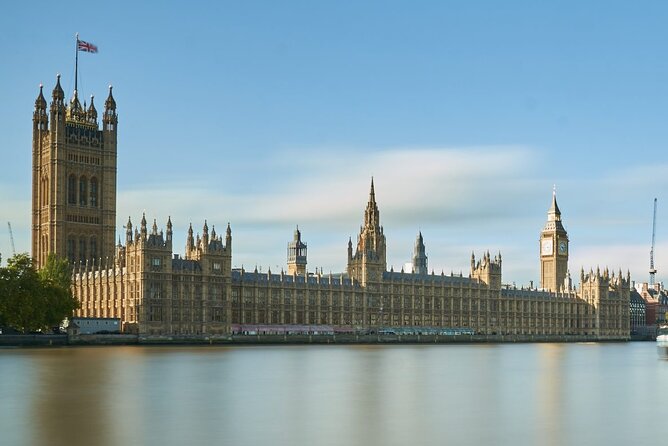
From Trafalgar Square, the walk continues past Admiralty Arch and along The Mall. You then pass Horse Guards Parade and The Cenotaph before reaching Parliament Square Garden. This part connects several major London sights in a short stretch, but the real purpose is to keep practicing as the scenery changes.
At Parliament Square, you photograph the outside of the Palace of Westminster, Big Ben, and Westminster Abbey. These are familiar subjects, so creative advice is especially helpful. A basic tourist photograph is easy to make here. A more thoughtful image may depend on how you position the buildings, include the surrounding garden, or use the view across the street.
The guide shares techniques for improving composition, giving you something concrete to apply rather than a collection of general camera tips. If you already know the basics, ask for help with a specific problem, such as making a landmark feel less flat or finding a fresh angle on a building you have seen in countless photographs.
This section also gives you an important sense of scale. Big Ben and the Palace of Westminster are not small subjects, and fitting them into one frame can be difficult. A phone user may need to work with the available wide view, while a camera user may want to test a different lens. The supplied equipment can be tried, but you should bring your own camera because it is not provided as the main part of the tour.
Crossing the Thames for new views of Big Ben
The route crosses the River Thames toward the London Eye. From this side of the river, you get different views back toward the Palace of Westminster and Big Ben. This is one of the most useful changes of position on the walk. Instead of photographing the same landmark from the usual front-facing viewpoint, you can build new compositions with the river, bridge, skyline, and surrounding structures.
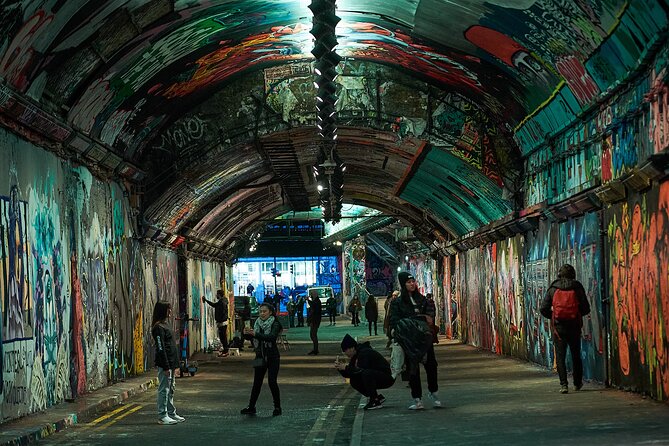
The route may then include Leake Street, the Golden Jubilee Bridges, and the Waterloo area. Leake Street adds a sharp change of mood. Its graffiti gives you color, texture, and close-up subjects after the grand scale of Westminster. It is a good place to practice details and patterns, while the bridges offer lines and perspective.
The London Eye is a strong subject, but it can dominate a photograph if you let it. A guide who encourages you to look for framing and balance can help you include it without making every picture look like a standard attraction shot. You may also find that the river is more useful as a visual line than as a simple background.
There is a practical point here. The tour is advertised at approximately three hours, and this route covers a lot of ground. You may not spend equal time at every location. The exact sequence can change, and some stops may be shortened if the group wants to reach the final sights.
A few more to weigh up in London
- Stonehenge, Windsor Castle, and Bath from London
★ 4.5 · 18,662 reviews - London Big Bus Hop-On Hop-Off Tour with Optional River Cruise
★ 3.5 · 10,803 reviews - London Small Group Tour of Historical Pubs
★ 5.0 · 10,422 reviews - Stonehenge, Windsor Castle and Bath with Pub Lunch in Lacock
★ 4.5 · 7,402 reviews
Covent Garden, Charing Cross, and real street photography
After crossing the Thames by the Golden Jubilee Bridges, the walk heads toward Embankment, Charing Cross, and Covent Garden. These areas are valuable because they give you an active street setting after the formal monuments around Westminster.
Covent Garden is particularly useful for people who want more than architectural pictures. You can work on movement, gestures, shopfronts, public spaces, and moments that disappear quickly. The area is lively, and the guide can help you react to what is happening rather than wait for a perfectly arranged scene.
Charing Cross and Embankment add more layers to the route. You might find strong lines from streets and bridges, changing views along the river, and contrasts between old buildings and modern city life. The tour’s focus is not simply to tick off landmarks. It is to help you use London as a working subject.
Rita’s outing included Covent Garden Market and Chinatown, along with other central London stops. Those places are not guaranteed as part of every exact route, but her experience suggests that Jesus may adjust the walk to make room for extra photo opportunities. You should ask about the planned route if a particular place matters to you.
Southbank, Blackfriars Bridge, and St. Paul’s Cathedral
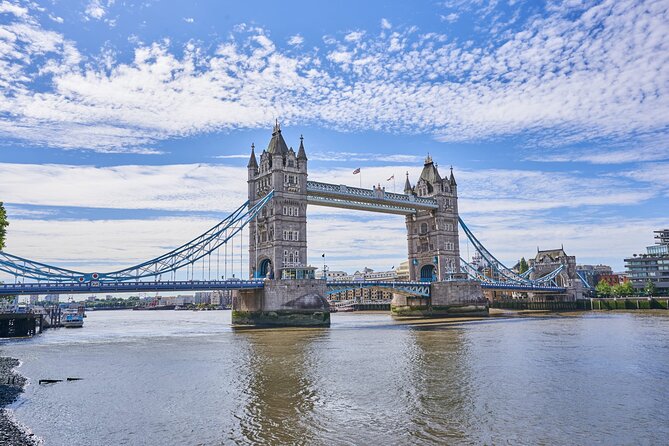
The walk continues south across Waterloo Bridge and along the river. You pass the National Theatre and the Southbank area before reaching Blackfriars Bridge, with its iron arches, stone carvings, and views across the Thames.
This is one of the strongest stretches for learning how to use structure in a photograph. Bridges give you repeating lines and frames. The river opens the view. The National Theatre brings large modern forms, while Blackfriars Bridge provides older architectural details. You can switch between wide scenes and close studies without changing neighborhoods.
Southbank also gives you a more everyday side of central London. You may be photographing a major river view one minute and a small detail or passerby the next. That variety makes the walk useful for improving your visual instincts.
The route eventually reaches St. Paul’s Cathedral. Its dome is one of London’s most recognizable shapes, but photographing it well can be tricky because the surrounding streets are tight and busy. This is a good moment to ask the guide to help you find a clean composition or use nearby structures to frame the cathedral.
Again, you should keep the schedule in mind. If the group spends a long time practicing at Westminster, Covent Garden, or Southbank, there may be less time for the later stops. The tour is best understood as a guided photography walk through a large part of central London, not a promise that you will create a full set of polished images at every listed sight.
A coffee break before the final river views
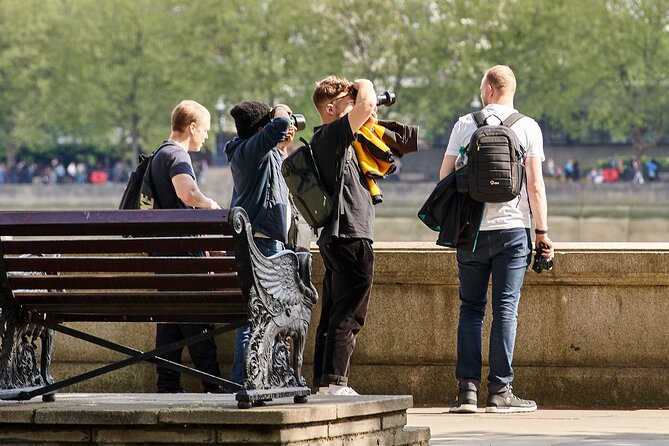
Near Millennium Bridge, you will probably have a short break for coffee or tea. This is a small inclusion, but it makes sense on a walking tour of this length. You can rest your feet, check your images, and talk through what you have learned so far.
I would use this pause actively. Look at a few photographs and ask yourself which choices worked. Did you frame the subject clearly? Did you include too much empty space? Did a person or bridge line improve the image? A quick review can make the second half more useful.
The break also gives the guide a chance to understand what you want from the rest of the walk. If you are more interested in architecture, you can focus on bridges and landmarks. If street scenes are your goal, you may prefer the riverside, markets, and city activity.
Coffee or tea is included, but the tour does not include transportation. You should arrive ready to walk and wear suitable shoes. A moderate level of physical fitness is recommended, and the route’s length makes that more important than the short three-hour label might suggest.
Millennium Bridge, Tate Modern, and the route toward Tower Bridge
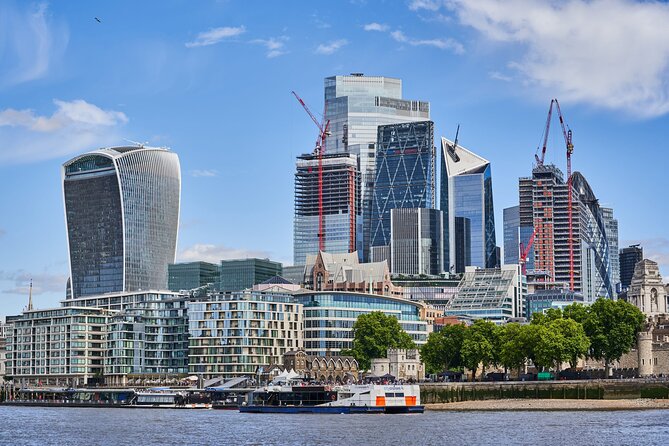
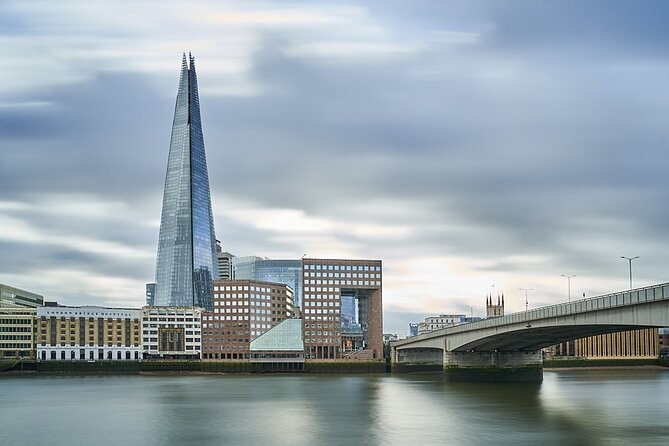
If time allows, the walk continues along the north riverside and may include Tate Modern, Shakespeare’s Globe, London Bridge, and The Shard. These locations offer a strong mix of contemporary architecture, theater history, river views, and city-scale compositions.
Millennium Bridge is useful for perspective and symmetry. Tate Modern provides a bold riverside subject, while Shakespeare’s Globe adds a distinctive circular form and historical character. The Shard changes the scale again, giving you a chance to photograph London vertically and work with reflections or surrounding buildings.
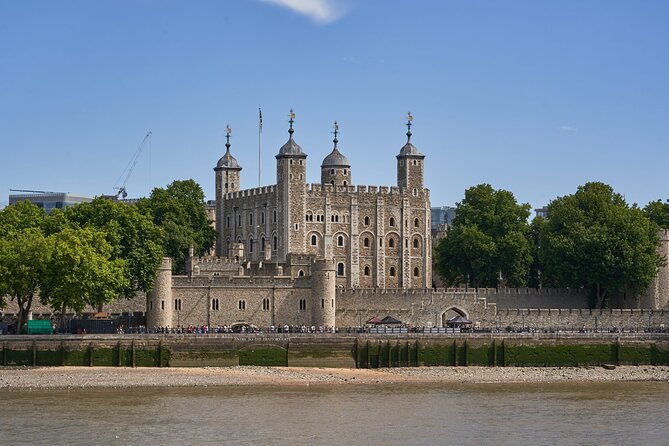
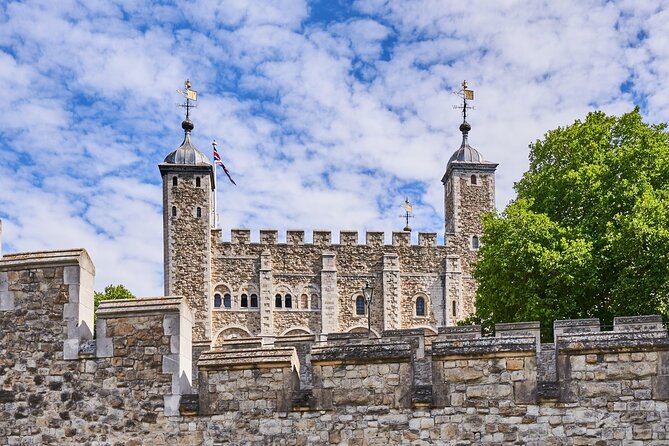
The route then takes in HMS Belfast before reaching the Tower of London and Tower Bridge. HMS Belfast adds a large, detailed subject close to the river. The Tower of London brings stone walls and historic forms. Tower Bridge gives you the kind of final landmark that can fill a frame, but it also works well as part of a wider river photograph.
The finish is in a different location from the start, with the likely endpoint around the Tower of London and Tower Bridge if the full route is completed. Plan your next journey from there rather than assuming you will return to Trafalgar Square.
What you will learn with your own phone or camera
You need to bring your own camera, but the session is not limited to professional equipment. A modern phone is suitable for trying the photographic ideas taught along the way. That makes the tour more approachable for people who want better holiday photographs without buying a dedicated camera.
You may also test new-generation mirrorless cameras with different lenses and accessories such as tripods and filters. The available equipment can help you understand what different tools do, but I would treat this as an added opportunity rather than the central promise. Your main results will come from the way you see and frame the city.
The best preparation is simple:
- Charge your phone or camera fully.
- Leave enough storage for many images.
- Bring the device you actually want to use during your London visit.
- Think about whether you prefer landmarks, architecture, or street scenes.
- Wear shoes suitable for several hours of city walking.
If you already know your camera well, you can ask for more personal advice. If you are new to photography, the route gives you repeated chances to practice without needing advanced technical skills.
Is $142.67 a fair price?
At $142.67 per person, this is not a cheap sightseeing walk. The value depends on how much you want personal photography instruction rather than a standard London tour.
Because it is a private activity, the guide can focus on your group instead of giving a fixed speech to a large crowd. That matters if you want help with a phone camera, need extra time with composition, or prefer to ask questions as you go. The coffee or tea is a modest benefit, while the chance to try additional photographic equipment adds interest for camera enthusiasts.
The price is easier to justify for someone who intends to keep taking photographs after the trip. You are paying for guidance that can improve how you approach every city, not only the pictures made during this walk. If you mainly want transport between attractions or entry inside museums and landmarks, this is not the right value.
You should also factor in the pace. The tour covers a wide section of London, and the price does not include taxis, hotel pickup, airport pickup, or other transport. The mobile ticket is convenient, and booking confirmation arrives at the time of booking, but you still need to handle your journey to Nelson’s Column and away from the final stop.
Who should book this experience?
I would recommend it to a visitor who enjoys taking pictures and wants direct advice while seeing major London sights. It suits beginners with phones, camera users who want fresh ideas, and couples or small private groups who prefer personal attention.
It is also a good fit if you want to combine famous places with less conventional subjects. Leake Street, bridge details, Covent Garden, Southbank, and riverside scenes keep the experience from becoming a simple monument checklist.
I would hesitate if you dislike long walks, want a slow visit inside each attraction, or need a guaranteed stop at every location named in the route. The tour does not include interior visits, and the number of sights listed is ambitious for three hours.
Free cancellation is available if you cancel at least 24 hours before the local start time. Changes or cancellations made within that period are not accepted for a refund.
My verdict on the London Creative Photography Tour
Book this tour if you want to see central London while learning how to make stronger photographs. The most valuable feature is the personal guidance from Jesus, whose creative approach and clear teaching received the strongest praise. You can use a phone, bring a camera, and practice on everything from lions and cathedrals to graffiti and bridges.
Skip it if you want a relaxed sightseeing route with minimal walking. The itinerary is ambitious, the endpoint differs from the start, and some later stops depend on available time. For an active photographer, though, the combination of private instruction, major landmarks, street scenes, and river views gives the $142.67 price a reasonable purpose.
FAQ
Where does the London Creative Photography Tour start?
The tour starts at Nelson’s Column, A400 Trafalgar Square, London WC2N 5DS, United Kingdom.
Where does the tour finish?
The activity ends at a different location from the starting point. The route may finish near the Tower of London and Tower Bridge if the later part of the walk is completed.
How long does the tour last?
The walking tour lasts approximately three hours.
Is this a private tour?
Yes. Only your group participates in the activity.
What languages are available?
The tour is offered in English or Spanish.
Do I need to bring my own camera?
Yes. You need to bring your own camera, and you may also be able to try additional mirrorless cameras, lenses, tripods, and filters.
Is coffee or tea included?
Yes. Coffee and/or tea is included, with a likely break near Millennium Bridge.
Is transportation included?
No. Taxi service, airport transfers, hotel pickup, and other transportation are not included.
Can I cancel for a full refund?
Yes, if you cancel at least 24 hours before the experience start time. Cancellations or changes made less than 24 hours before the start time are not accepted for a refund.
Just added in London
- Private Transfers between London & Windsor★ 5.0 · 9 reviews
- Private Transfer: Heathrow Airport to London Kings Cross or St Pancras Stations★ 5.0 · 3 reviews
- London to Southampton Transfers★ 5.0 · 7 reviews
- Private 3-hour Tour of The Iconic Tower of London & Tower Bridge★ 4.5 · 6 reviews
- London to Southampton Cruise Port | Private Transfer★ 5.0 · 6 reviews
- Private Tour to Westminster Abbey with optional Houses of Parliament in London★ 4.0 · 15 reviews
- Private Tours to Stonehenge & Oxford★ 4.0 · 4 reviews
- Private Tour to Stonehenge and Windsor Castle★ 5.0 · 11 reviews
Photography Sessions, compared.
Professional Photoshoot in London Photographer
Read our review →
Private landmarks photoshoot for families and couples
Read our review →
30 Major London Attractions Walking Tour With Photos
Read our review →
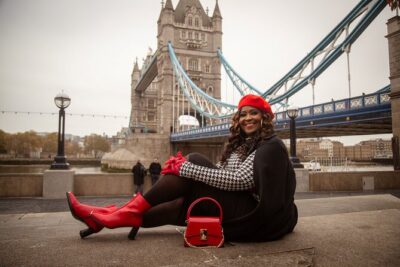
Private Landmarks with a Professional Photographer
Read our review →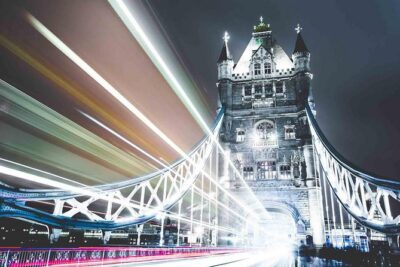
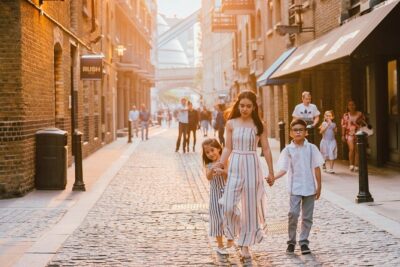
Private Tour: Personal Travel Photographer Tour in London
Read our review →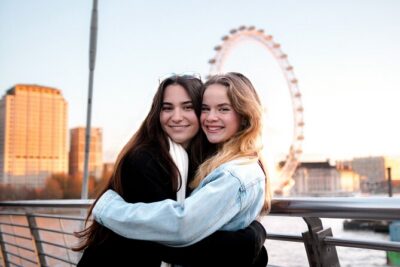
Browse the lists this tour appears in