
Reviewed · YORK TOURS
Welcome to York – The River Route
York’s river reveals the city’s past. This compact walking tour follows the River Ouse from St. Mary’s Abbey to Clifford’s Tower, linking ruined monasteries, old gates, bridges, quays, and castle walls along the way. It is a good choice if you want York’s story to make sense as you walk, rather than simply collect a list of sights.
I like the river-based route, which gives the tour a clear thread and shows how water shaped York’s growth. I also like the small details, including the John Snow plaque and the chance to visit Dick Turpin’s grave when the group is small. The main consideration is the pace: with about 90 minutes to two hours and several stops, you get context and atmosphere, but not a long visit inside the paid attractions.
At $16.45 per person, this is a reasonably priced introduction to York, especially if you are new to the city. Ian, one of the guides, has been praised for giving an interesting view of how York developed along the river. The tour is in English, begins at 2:00 pm, and finishes near York Castle Museum at the foot of Clifford’s Tower.
In This Review
- Key points about York’s River Route
- Starting among the ruins of St. Mary’s Abbey
- Marygate, where abbey power met the road north
- Ouse Bridge and a thousand years of crossings
- King’s Staith and York’s medieval water lanes
- Small details that reward careful attention
- Finishing at Clifford’s Tower and York Castle
- What the $16.45 price really buys you
- Timing, group size, and practical planning
- Who will enjoy this York walk most?
- Should you book York’s River Route?
- FAQ
- How much does Welcome to York: The River Route cost?
- How long does the walking tour last?
- Where does the tour begin?
- What time does the tour start?
- Where does the tour finish?
- Is admission to Clifford’s Tower included?
- What language is the tour offered in?
- Can I cancel the tour for a full refund?
Key points about York’s River Route
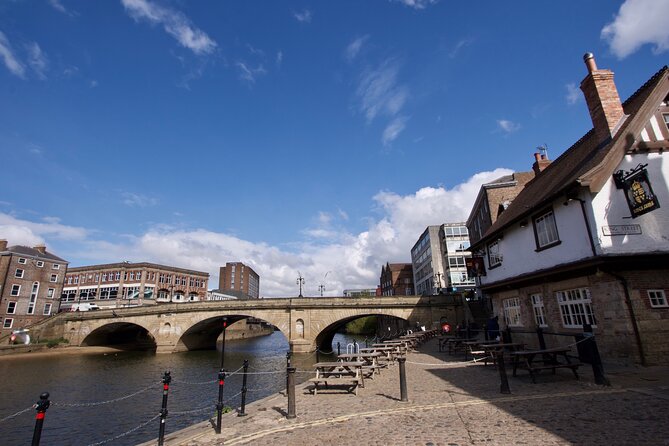
- A clear 1.5 to 2-hour walk: The route moves from Museum Gardens through Marygate, across the Ouse area, along King’s Staith, and up to Clifford’s Tower.
- Five historic stops: You see St. Mary’s Abbey, the hamlet of St Marygate, Ouse Bridge, King’s Staith, and Clifford’s Tower.
- York’s river is the main story: The walk explains how the Ouse carried people, goods, and power through the city.
- Strong guide-led detail: Ian has been singled out for explaining how York grew along the river, while the John Snow plaque and Dick Turpin’s grave add unexpected touches.
- Good value for a short tour: The price is $16.45, and admission is free at the first four stops. Entry to Clifford’s Tower costs extra.
- Small-group potential: The maximum group size is 25, but a quieter date may produce a much smaller group and more opportunity to ask questions.
Starting among the ruins of St. Mary’s Abbey
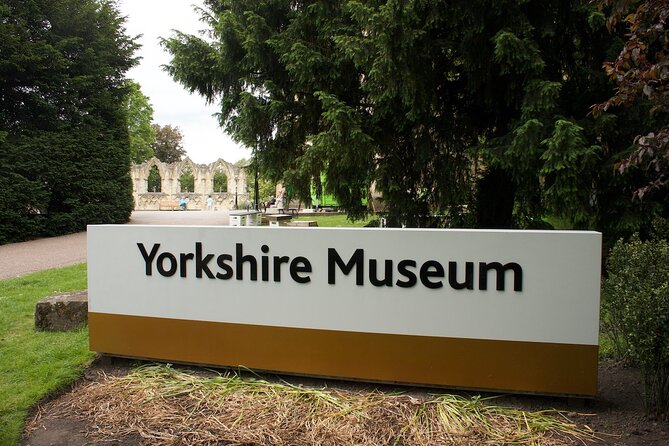
The walk begins outside the Yorkshire Museum in Museum Gardens, on Museum Street. Your first stop is St. Mary’s Abbey, where the remains of the medieval monastery provide an immediate sense of York’s age and importance.
You do not pay an extra admission fee for this part of the walk. The stop is short, around five minutes, so you should think of it as an introduction rather than a full visit to the ruins. The guide explains the connection with King Henry VIII’s dissolution of the monasteries, one of the great turning points in English religious and political history.
The setting is useful because the ruins are not treated as an isolated monument. You start to see how the abbey occupied a powerful position beside the river and close to the city’s northern approaches. That wider setting matters. A pile of old stone can be hard to read on its own, but the guide’s explanation helps you connect the abbey to land, transport, wealth, and royal authority.
If you want a longer look at St. Mary’s Abbey or the Yorkshire Museum, arrive early or return later. The walking tour keeps moving, and the short stop is designed to establish the story rather than cover every architectural detail.
A few more to weigh up in York
- Mad Alice’s The Bloody Tour of York -Best Tour Award Europe
★ 5.0 · 2,749 reviews - Ghost Bus Tour of York
★ 4.5 · 2,404 reviews - Shadows of York: Ghost Walk and Horrible History.
★ 5.0 · 1,403 reviews
Marygate, where abbey power met the road north
From Museum Gardens, the route descends toward Marygate. This section takes around 10 minutes and is one of the more useful parts of the walk because it places York’s medieval power on an actual street you can follow today.
Marygate once connected the River Ouse with the main road heading north. Along the way, you see old abbey walls and Marygate Tower. The guide explains how St. Mary’s Abbey controlled large areas of medieval Yorkshire, giving you a better sense of the abbey as an economic and political force, not simply a religious building.
I like this stop because it turns an ordinary walk through York into a lesson in city planning. Streets were shaped by trade, defense, and access to water. The route helps you notice those connections instead of rushing past them on the way to the next major sight.
This is also a reminder to wear comfortable shoes. The tour is not long, but it is a continuous city walk with several changes of direction and surface. You should be ready to listen while standing and walking rather than expecting a series of indoor stops.
Ouse Bridge and a thousand years of crossings
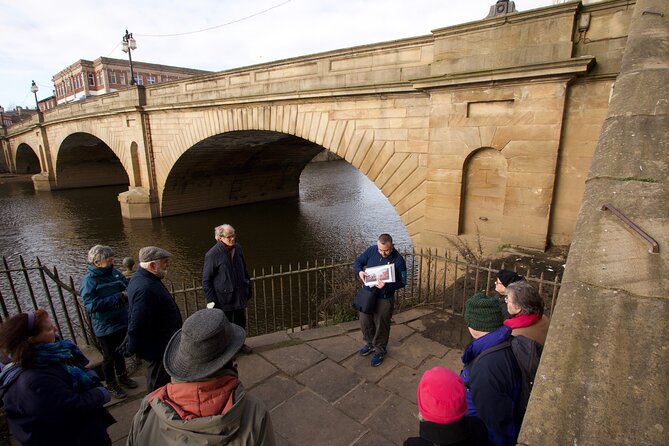
The next stop is Ouse Bridge, where a bridge has crossed the river for more than a thousand years. The formal stop lasts about five minutes, but the story reaches far beyond the bridge in front of you.
A river crossing can explain a city better than a grand building. Bridges determine where people meet, where goods move, and where roads join. At Ouse Bridge, you hear about the remarkable history of this crossing and its role in connecting York’s two banks.
The stop is brief, so do not expect an extended engineering lecture or a long pause for photographs. Its value comes from the location and the way it links the earlier discussion of Marygate with the later stops beside the river.
If you enjoy seeing how a modern city follows old routes, this part will appeal to you. The bridge is not presented merely as a scenic viewpoint. It is part of the reason York grew where it did and why the Ouse remains central to the city’s identity.
King’s Staith and York’s medieval water lanes
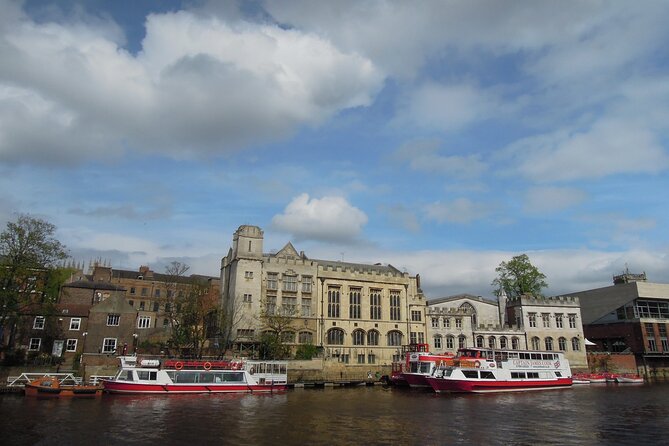
At King’s Staith, the route reaches one of its strongest riverfront stops. This was York’s principal quay for more than 500 years, and the guide uses it to explain medieval water lanes and the movement of goods along the Ouse.
You also hear the amusing reason that very few kings actually landed at King’s Staith. The name sounds grand, but historic names often promise more than they deliver. That small joke helps keep the stop grounded and shows how York’s past is filled with practical details as well as famous people.
King’s Staith is a good place to pause and look at the river. The tour’s central idea becomes clearest here: York’s development was tied to water. The river was a route for commerce and travel, but it could also shape the city’s status, wealth, and connections with other places.
The stop lasts about 10 minutes. That is long enough to take in the view and hear the main story, but not long enough for an unhurried riverside break. If you want coffee, a meal, or extended time beside the water, plan that separately before or after the walk.
A completely different sort of day out:
- Private Historical Walking Tour of York
★ 5.0 · 1,324 reviews - Daytime Sightseeing Boat Cruise in York
★ 4.5 · 1,256 reviews - York Dungeon Entry Ticket
★ 4.5 · 1,108 reviews - Wizard Walk of York – WINNER Best Tour & Best of York Award
★ 5.0 · 918 reviews
Small details that reward careful attention
The tour includes details that may not appear on a standard first-time walk around York. One example is the John Snow plaque, which was a favorite discovery for one participant. It is the kind of small marker that you might pass without noticing if you are walking alone.
The tour can also include a visit to Dick Turpin’s grave when conditions and timing allow. On one especially small outing, the group consisted of just two people, making it possible to add this extra stop. You should not treat that as a guaranteed part of every tour, but it shows the advantage of a flexible guide and a small group.
This is where the experience earns its price. You are not only moving between York’s most obvious monuments. You are being directed toward signs, stories, and connections that can be easy to miss. The value depends heavily on the guide, and Ian has received particular praise for his ability to explain the city’s growth along the river.
The maximum group size is 25 people. That is still manageable for a walking tour, though a group of 25 will feel different from a private or nearly private walk. If you want the best chance of a quieter experience, booking well ahead may help. The tour is booked an average of 24 days in advance.
Finishing at Clifford’s Tower and York Castle
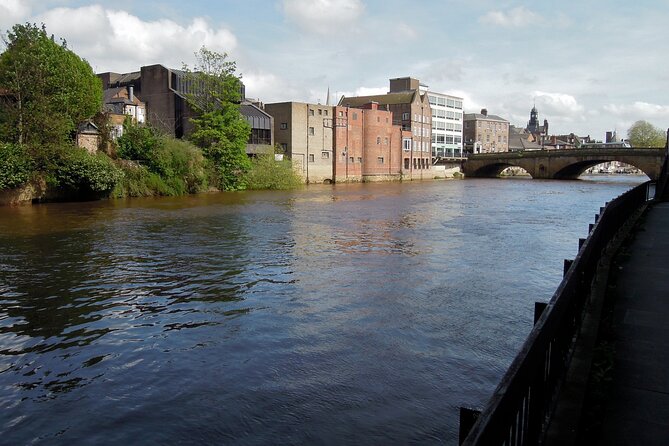
The route finishes at the foot of Clifford’s Tower, on Tower Street, close to York Castle Museum. From here, you get a view of the dramatic medieval keep and hear about its remarkable past.
The tour does not include admission to Clifford’s Tower. That is important when you compare the total cost with other York activities. The walking experience costs $16.45, but entering the tower requires a separate ticket if you decide to go inside.
Still, ending here works well. Clifford’s Tower provides a strong final image after the river-focused route, and its position helps connect the Ouse, York Castle, and the surrounding historic center. You can finish the walk, take stock of the route, and then decide if the tower or nearby York Castle Museum suits your plans.
Because the tour ends near a major attraction, you do not need to force everything into the same afternoon. You can treat the walk as your historical orientation and return to the tower when you have more time. That is especially useful if you prefer not to hurry through paid sites.
What the $16.45 price really buys you
At $16.45, the price is modest for a guided walk lasting roughly 90 minutes to two hours. Four of the five named stops have free admission, and the main purchase is the guide’s interpretation of the streets, river, abbey, bridge, quay, and castle.
I see the value in the connections. You could walk past every location independently, but it would be harder to understand how Marygate, St. Mary’s Abbey, Ouse Bridge, and King’s Staith fit together. The tour gives you a single story about York’s growth beside the river.
The price is less attractive if you want extensive time inside monuments. This is not a full abbey visit, a tower admission, or a museum tour. Clifford’s Tower is specifically not included, and the stops are short. You are paying for a guided overview, not a full-day sightseeing package.
For a first afternoon in York, I think the cost is fair. It gives you useful orientation without taking up the whole day. If you already know York well or mainly want independent time at the major attractions, you may find the route less necessary.
Timing, group size, and practical planning
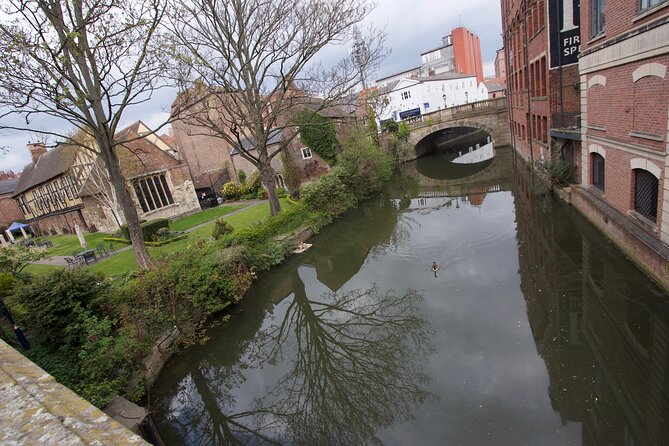
The start time is 2:00 pm, with the meeting point at the Yorkshire Museum in Museum Gardens. You should arrive with enough time to find the museum and gather near the stated starting point. The walk ends at Clifford’s Tower, rather than returning to the museum, so plan your onward route from the castle area.
The experience is offered in English and uses a mobile ticket. It is near public transportation, and service animals are allowed. Most people can take part, but this is still a walking tour, so you should expect to remain on your feet for much of the 90-minute to two-hour duration.
The group can contain up to 25 people. That limit keeps the tour from becoming enormous, but sound and visibility can still matter when the guide is speaking outdoors. A small group gives you a better chance to ask about side details, such as the John Snow plaque or Dick Turpin’s grave.
The tour needs good weather. If poor weather causes a cancellation, you are offered another date or a full refund. You can cancel for a full refund up to 24 hours before the start time. Cancellations or changes made less than 24 hours before the tour are not refunded or accepted.
Who will enjoy this York walk most?
I would recommend this experience to you if you are visiting York for the first time and want a quick sense of how the city developed. It suits people who like history explained through streets and buildings, rather than through long indoor lectures.
It is also a good match for anyone interested in the River Ouse. The route does not treat the river as background scenery. It explains how bridges, quays, roads, and abbey lands helped shape York.
Families and mixed-age groups may appreciate the short stops and changing scenery, although the walk still requires attention and steady movement. History fans will enjoy the links between Henry VIII, medieval abbey control, the bridge, river trade, and York Castle.
You may want a different experience if you need step-by-step accessibility information that is not provided here, if you want a private tour, or if you dislike outdoor activities in uncertain weather. You should also choose another plan if your priority is spending a long time inside Clifford’s Tower or the York Castle Museum.
Should you book York’s River Route?
Book it if you want a focused introduction to York for $16.45, especially on your first day in the city. The route is short enough to fit into an afternoon, yet it gives you a useful framework for understanding the abbey ruins, old streets, river crossing, medieval quay, and castle.
I would give it extra credit for the small, human details. The John Snow plaque, the possible visit to Dick Turpin’s grave, and Ian’s explanation of York’s growth along the river make this more than a basic point-to-point walk.
Skip it if you want long attraction visits or a fully indoor activity. For everyone else, particularly people who enjoy local stories and practical city orientation, this is a sensible, good-value way to see York from the water’s edge to the castle.
FAQ
How much does Welcome to York: The River Route cost?
The tour costs $16.45 per person.
How long does the walking tour last?
The walk lasts approximately one hour and 30 minutes to two hours.
Where does the tour begin?
It begins at the Yorkshire Museum in Museum Gardens, on Museum Street, York YO1 7FR.
What time does the tour start?
The scheduled start time is 2:00 pm.
Where does the tour finish?
The walk finishes at the foot of Clifford’s Tower on Tower Street, near York Castle Museum.
Is admission to Clifford’s Tower included?
No. Admission to Clifford’s Tower is not included in the tour price.
What language is the tour offered in?
The experience is offered in English.
Can I cancel the tour for a full refund?
Yes. You can cancel at least 24 hours before the start time for a full refund. If poor weather causes the experience to be canceled, you are offered a different date or a full refund.
Just added in York
- The Yorkshire Dales of All Creatures Great & Small★ 5.0 · 109 reviews
- York’s Famous Ghosts Smartphone App walking tour★ 5.0 · 2 reviews
- The Treasures of Bloodaxe – A Fun Viking Treasure Hunt in York★ 4.5 · 21 reviews
- York City Pass: Access 35+ Attractions for One Great Price★ 4.5 · 122 reviews
- Welcome to York – The Royal Route★ 5.0 · 6 reviews
- York Private Walking Tour with a Professional Guide★ 5.0 · 3 reviews
- York Tour App, Hidden Gems Game and Big Britain Quiz (1 Day Pass) UK★ 4.0 · 4 reviews
- Historical Pub Walking Tour in York★ 5.0 · 67 reviews
York Tours, compared.
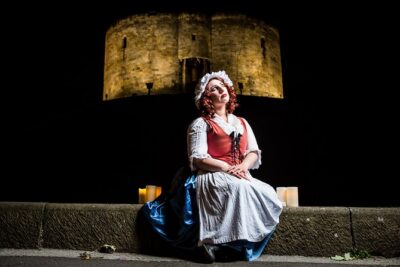
Mad Alice’s The Bloody Tour of York -Best Tour Award Europe
Read our review →
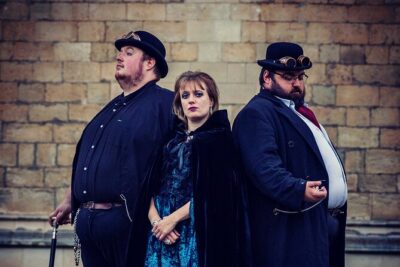
Shadows of York: Ghost Walk and Horrible History.
Read our review →



Wizard Walk of York – WINNER Best Tour & Best of York Award
Read our review →
Browse the lists this tour appears in