
Reviewed · EAST MIDLANDS TOURS
Park Entry for a Family of 4 (2 adults and 2 children)
Small park, big animal welfare questions. Ark Wildlife Park & Exotic Animal Sanctuary offers a close-up family day with rescued exotic animals, scheduled encounters, play areas, and a relaxed pace. I like the rescue focus and the chance to see animals rarely found in smaller British parks, including macaques, lemurs, meerkats, wildcats, and reptiles.
I also like the useful family setup: indoor and outdoor play areas, covered spaces, a café, and two daily encounter shows at 11:30 and 2:30. The main caution is condition and value. Some enclosures, play features, dinosaurs, and indoor areas have drawn serious criticism, so I would check recent conditions before paying the non-refundable $54.84 family price.
In This Review
- Key points before you book
- What kind of place is Ark Wildlife Park?
- The animal areas: macaques, lemurs, reptiles, and wildcats
- The 11:30 and 2:30 encounter shows
- Play areas, dinosaurs, and the family timetable
- How long should you spend here?
- Is the $54.84 family price good value?
- Practical planning for a smoother visit
- The main concerns you should not ignore
- Who will enjoy Ark Wildlife Park most?
- Should you book this family ticket?
- FAQ
- Where is Ark Wildlife Park & Exotic Animal Sanctuary?
- How much does the family ticket cost?
- How long does a visit take?
- What are the opening hours?
- What animals can you see?
- Are there daily animal shows?
- Can I cancel or change the booking?
Key points before you book
- Rescue-first purpose: The park cares for more than 250 animals rescued from the exotic pet trade.
- Two daily encounter shows: Aim for 11:30 or 2:30 so your visit has a clear centrepiece.
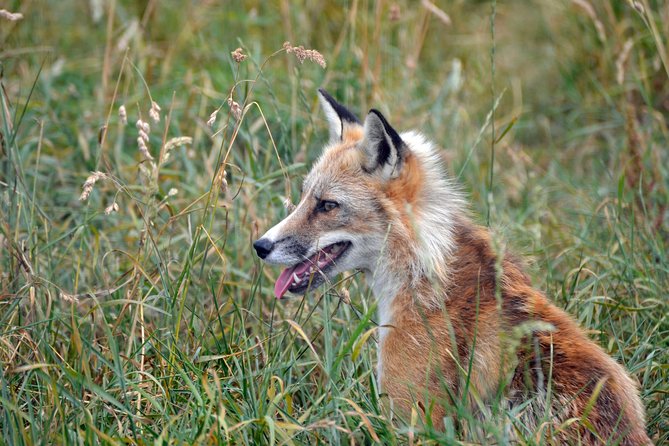
- A good spread of animals: Macaque Manor, Lemur Island, a reptile house, meerkats, farm animals, Arctic foxes, and several wildcat species give the park variety.
- Family facilities included: Indoor and outdoor play areas, covered sections, a café, and a child-friendly stamp trail help fill out the day.
- Allow one to several hours: The advertised visit can run from roughly 1 to 7 hours, but the actual time may depend on animal visibility, show times, weather, and how much your children use the play areas.
- Check before setting off: Opening information says 10 a.m. to 5 p.m. daily, but you are specifically advised to check current days and hours on Google before purchase.
What kind of place is Ark Wildlife Park?
Ark Wildlife Park is not a polished city zoo with wide paths, expensive themed restaurants, and perfectly uniform exhibits. Its purpose is the rescue and rehabilitation of wildlife, especially animals that have come from the exotic pet trade.
That mission matters. Some animals kept as pets are difficult, dangerous, or simply unsuitable for domestic life. A macaque, wildcat, reptile, or lemur needs specialist care and space. A rescue centre gives these animals somewhere to go when private ownership fails.
At the same time, a rescue label does not automatically make every enclosure good. I would judge the visit by two standards: the value of supporting a difficult rescue operation, and the quality of the actual facilities. Those two things do not always match.
The park is home to more than 250 animals, with species that are unusual for a small family attraction in England. You can see macaques, lemurs, reptiles, meerkats, farm animals, Arctic foxes, and wildcats. The range gives children plenty of names and shapes to learn, rather than limiting the day to the usual goats and rabbits.
The site also includes seasonal events, indoor and outdoor play areas, covered areas, and a café. That combination is useful in the East Midlands, where a sunny morning can turn into a wet afternoon without much warning.
A few more to weigh up in England
- Stamford Town Guided Tours
★ 5.0 · 125 reviews - Great British Classic Car Driving Experience
★ 5.0 · 96 reviews - DropWorks Rum Tour – Largest Premium Rum Distillery in Europe!
★ 5.0 · 77 reviews
The animal areas: macaques, lemurs, reptiles, and wildcats
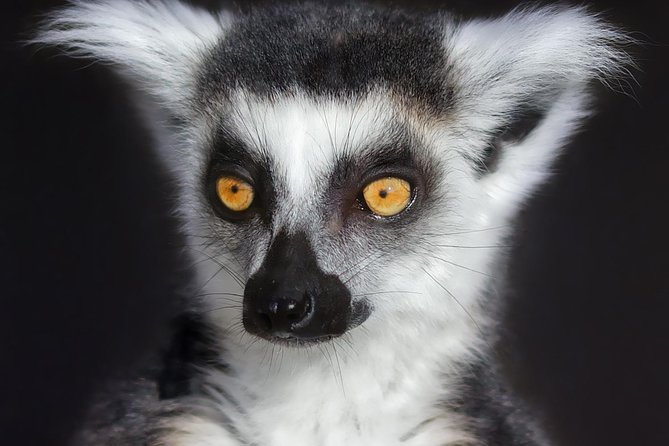
The animal collection is the main reason to come. Macaque Manor and Lemur Island provide the most distinctive stops, especially for children who already know these animals from books or television.
The macaques can be a strong part of the visit because they are more unusual than the standard farm-park residents. You should give yourself time to watch rather than simply walking past. Primates are active, expressive animals, and a short pause can make the difference between a quick look and a memorable encounter.
Lemur Island offers another appealing stop. The name suggests a dedicated area rather than a single small enclosure, though you should not assume that every animal will be visible when you arrive. Animal activity changes with weather, feeding, noise, and time of day.
The reptile house adds useful variety. It also seems to be one of the areas where expectations need managing. Some past accounts describe unpleasant smells indoors and concerns about the size of certain reptile enclosures, including alligators. I cannot recommend treating the reptile house as a highlight without reservation. Go with open eyes, and pay attention to the condition of the animals and their surroundings.
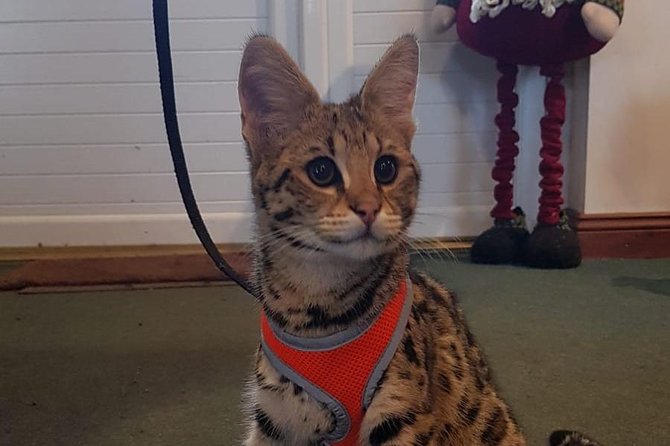
The park is also home to the largest range of wildcat species in Lincolnshire, according to the attraction’s description. That is a notable feature for a small wildlife park. Wildcats can be hard to spot, though, so do not measure the visit by how many cats you see in one circuit.
Meerkats receive especially warm attention here. The park has a meerkat barn, and paid meerkat experiences are available as an additional activity. One account describes a close meeting with a family of friendly meerkats, supported by an informative keeper. That kind of encounter can be a fine birthday treat or a special add-on, but remember that it is separate from the standard family admission.
Farm animals are also part of the collection, which gives younger children something familiar between the more unusual species. A loose goat has reportedly escaped through a hole in fencing in the past, with staff repairing the gap. I would keep a close eye on very young children around any animal area, as you should at every farm or wildlife park.
The 11:30 and 2:30 encounter shows
The daily encounter shows give your visit structure. They are scheduled at 11:30 a.m. and 2:30 p.m., so you can plan around one show or arrange your whole day around both.
I would aim to arrive before the 11:30 presentation if you want the most orderly day. That gives you time to enter, get a map, find the first animal areas, and then reach the show without rushing. If you arrive later, the 2:30 session can serve as your main event before a final circuit.
The phrase encounter show suggests a closer look at selected residents, but the precise animals and format can change. Do not expect every animal to appear, and do not assume you will handle wildlife. The appeal is the chance to learn more about some of the residents while seeing them closer than you might from a normal path.
The shows are particularly useful for children. A child can lose interest after several similar-looking enclosures, but a scheduled event creates a reason to keep moving. If your family is visiting for only an hour or two, one show will help you get more from the admission fee.
Staff friendliness has been praised, especially during the meerkat encounters. That human element matters in a small rescue centre. A good explanation about an animal’s past, diet, or behaviour can make the rescue purpose feel real rather than simply printed on a sign.
Play areas, dinosaurs, and the family timetable
The play facilities make this more than an animal walk. There are indoor and outdoor play areas, covered spaces, a dinosaur section, a dino dig, and a barn with ride-on vehicles. The attraction is clearly trying to give children non-animal activities as well.
The dino dig has been described as a hit, and it is an easy way to keep children occupied while adults take a break. The dinosaurs themselves have received less favourable comments, with reports of dirt, bird mess, and a broken figure. That is a small issue beside animal welfare, but it affects the sense of value when families are paying an admission fee.
Some play equipment costs extra. The ride-on vehicles in the barn and a digger in the play area have been priced at £2 per short go in past visits. For a young child, that can become the day’s main demand: one more turn. I would carry a few coins or set expectations before entering, but I would also check the current charges because prices can change.
There has been an issue with advertised play facilities not matching what families found on the day. A soft-play area was expected by one family but was not available. If soft play is important to your plan, confirm it directly before you go rather than relying on older descriptions.
The stamp trail on the children’s map is another nice idea, though it has not always been easy to use. In one account, the stamping points were hard to find and no clear prize was collected. Treat it as a bonus game, not the main reason to visit.
A completely different sort of day out:
- Stonehenge, Windsor Castle, and Bath from London
★ 4.5 · 18,662 reviews - London Big Bus Hop-On Hop-Off Tour with Optional River Cruise
★ 3.5 · 10,803 reviews - London Small Group Tour of Historical Pubs
★ 5.0 · 10,422 reviews - Beatles Magical Mystery Tour
★ 5.0 · 9,266 reviews
How long should you spend here?
The official estimate allows anything from about one hour to seven hours. That is a wide range because families use the park in different ways.
I would plan for two to three hours on a first visit. That gives you time for one encounter show, the main animal areas, a drink or meal, and some play. A family with young children who love the play equipment may stay longer. A family focused mainly on animals may finish sooner.
Some people have enjoyed a whole relaxed day here, especially when they took part in a meerkat experience and used the play areas. Others have left after just over an hour because the site felt smaller than expected or because some animals were difficult to see.
This difference is important when judging the price. If your children will use every play area, watch a show, stop at the café, and take their time with the animals, $54.84 for up to four people can be reasonable. If you expect a large zoo with hours of walking and many big animals, you may feel short-changed.
The family package covers two adults and two children. That is convenient for a standard family of four, since you do not need to compare several admission combinations at the gate. A mobile ticket also saves you from carrying a printed voucher.
Is the $54.84 family price good value?
At $54.84 for the group, the price works out to about $13.71 per person if all four places are used. That is not automatically expensive for a family attraction, but the value depends heavily on your expectations and what is operating during your visit.
The rescue mission adds a different kind of value. Your admission helps support a specialist animal centre rather than only paying for rides and displays. If that purpose matters to you, the price may feel more worthwhile than a standard farm-park ticket.
Still, families should compare the complete day, not just the entry fee. The café has been described as expensive for what it offers, and some child-focused activities require extra payment. A family that buys lunch and several short rides can spend well beyond the ticket price.
The park also competes with other wildlife attractions in Lincolnshire. Past comparisons have favoured larger nearby parks for enclosure quality, animal variety, and family facilities. I would check current prices and recent condition reports for alternatives before committing, particularly if you are driving a long way.
The package is most defensible when you live nearby or already plan to be in the area. It becomes a bigger gamble after a long drive, especially because the ticket is non-refundable and cannot be amended.
Practical planning for a smoother visit
Start by checking the opening day and hours on Google immediately before purchase. The supplied schedule lists Monday through Sunday, 10 a.m. to 5 p.m., across the stated operating period, but one family drove for more than an hour and found the park closed. That is exactly the kind of avoidable mistake a quick check can prevent.
If the park is open, arrive with a simple plan:
- Try for the 11:30 or 2:30 encounter show.
- Allow time for the café and play areas.
- Bring a little extra money for paid rides or activities.
- Keep young children close around farm-animal fencing.
- Use the covered and indoor areas if weather turns poor.
- Ask staff about the day’s encounters and any facilities that are closed.
Public transport is nearby, and service animals are allowed. Most people can take part, but the available information does not give detailed step-free access information for every enclosure or play area. If your party needs particular access arrangements, ask the park before booking.
The mobile ticket is practical, especially for a family. Keep it ready on your phone at the entrance. Confirmation is issued at the time of booking.
The main concerns you should not ignore
The strongest criticism concerns enclosure condition. Past accounts describe overgrown areas, rusty cages, dirty dinosaur figures, unpleasant indoor smells, and animals that appeared to pace repeatedly. Specific concerns have also been raised about small alligator enclosures and limited water.
I cannot tell you that these problems will still be present on your visit. Conditions can change, and a rescue centre may have a limited budget while dealing with difficult animals. But the concerns are serious enough that I would not book blindly.
The best approach is to inspect recent photographs, check current information, and contact the park if animal welfare is your main reason for going. A rescue purpose deserves support, but it also deserves proper standards.
There are positive signs too. Families have praised the friendly staff, the relaxed atmosphere, the close meerkat experience, and the pleasure children get from seeing rescued animals. The park can provide a gentle half-day outing without the crowds and scale of a major zoo.
That balance is the honest picture: strong rescue intentions and unusual animals, but facilities that may feel tired and uneven.
Who will enjoy Ark Wildlife Park most?
I would consider it for families with children who like animals but also need play time. The indoor areas, outdoor sections, covered spaces, dino dig, and seasonal events give you several ways to fill a day.
It may also suit adults who want a quieter wildlife visit. The relaxed atmosphere and smaller scale can be appealing if you dislike huge zoos with long walks between exhibits.
The park is less suitable if you want pristine enclosures, extensive interpretation, large flagship animals, or a full day of polished entertainment. It is also a poor choice for a tightly scheduled trip from far away unless you confirm opening arrangements first.
The meerkat experience could make the visit more worthwhile for a special occasion. For a normal family day, I would book only if the rescue mission matters to you and your children will use the shows and play areas.
Should you book this family ticket?
Book it if you want to support a rescue centre, your children enjoy a mix of animals and play, and you can accept a small, imperfect attraction. The macaques, lemurs, meerkats, reptiles, and Lincolnshire wildcats give the park real interest, while the two daily shows help keep the day moving.
I would pause if you expect a polished zoo or if you are travelling a long distance. Check current opening information, ask about any advertised facilities that matter to your family, and compare nearby wildlife parks before paying. Because the ticket is non-refundable, that small bit of preparation is worth your time.
FAQ
Where is Ark Wildlife Park & Exotic Animal Sanctuary?
It is in the East Midlands of England.
How much does the family ticket cost?
The family package costs $54.84 for a group of up to four people, covering two adults and two children.
How long does a visit take?
The approximate duration is listed as 1 to 7 hours. Many families should plan for around two to three hours, depending on show times, animal viewing, meals, and play activities.
What are the opening hours?
The listed hours are Monday through Sunday, from 10 a.m. to 5 p.m. You should check the current opening days and hours on Google before purchase.
What animals can you see?
The park is home to more than 250 rescued animals, including macaques, lemurs, reptiles, meerkats, farm animals, Arctic foxes, wildcats, and other exotic species.
Are there daily animal shows?
Yes. Daily encounter shows are scheduled at 11:30 a.m. and 2:30 p.m.
Can I cancel or change the booking?
No. This experience is non-refundable and cannot be changed for any reason.
Just added in England
- Private Transfers between London & Windsor★ 5.0 · 9 reviews
- Private Transfer: Heathrow Airport to London Kings Cross or St Pancras Stations★ 5.0 · 3 reviews
- London to Southampton Transfers★ 5.0 · 7 reviews
- Private 3-hour Tour of The Iconic Tower of London & Tower Bridge★ 4.5 · 6 reviews
- London to Southampton Cruise Port | Private Transfer★ 5.0 · 6 reviews
- Private Tours to Stonehenge & Oxford★ 4.0 · 4 reviews
- Private Tour to Stonehenge and Windsor Castle★ 5.0 · 11 reviews
- Private Tour to Westminster Abbey with optional Houses of Parliament in London★ 4.0 · 15 reviews
East Midlands Tours, compared.



DropWorks Rum Tour – Largest Premium Rum Distillery in Europe!
Read our review →

Nottinghamshire to London Heathrow Airport (LHR) Luxury Transfers
Read our review →
Browse the lists this tour appears in