
Reviewed · CAMBRIDGE TOURS
Cambridge: The Original Uncomfortable Cambridge™ Tour
Cambridge looks polished, but its past is not. The Original Uncomfortable Cambridge Tour gives you a smart introduction to the city while questioning the old stories told about King’s College, the university, and local power. I like its focus on race, class, and gender, and I like that the guides invite you into the discussion instead of delivering a dry lecture. The main consideration is that you do not enter any colleges, and some cobblestones can slow the walk.
At $26, this is a fair price for a 1.5-hour tour covering about 2 kilometres, especially with a reading list and souvenir sticker included. Guides such as Ruari and Oscar have been praised for their friendly, engaging style, though the subject can feel challenging if you wanted only postcard views and college anecdotes.
In This Review
- Key points to know before you book
- Why this Cambridge walk feels different
- Starting outside the Tourist Information Centre
- King’s College and the polished Cambridge image
- Great St Mary’s and the university town
- The Old Schools and institutional power
- The Backs, Darwin College, and views with a question attached
- The Corpus Clock and the city’s modern memory
- What the guides add to the experience
- What $26 buys you
- Accessibility and practical comfort
- Who will get the most from this walk?
- Should you book the Original Uncomfortable Cambridge Tour?
- FAQ
- Where does the tour start?
- How do I identify the guide?
- How long is the tour?
- How far does the route cover?
- Does the tour enter any colleges?
- Which main sights are included?
- Is the tour wheelchair accessible?
- Can a carer attend free?
- Can I cancel my booking?
Key points to know before you book
- Cambridge gets a more honest introduction: The tour examines how race, class, gender, and empire shaped the city and university.
- The route covers major sights: You see King’s College, Great St Mary’s, the Old Schools, the Backs, Darwin College, and the Corpus Clock.
- University researchers lead the walk: Expect informed commentary and questions rather than a simple sightseeing script.
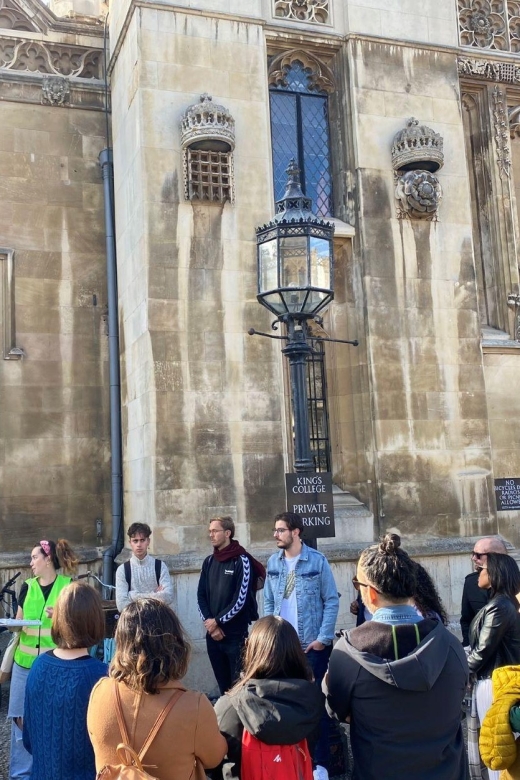
- You stay outside the colleges: The tour explains the buildings and their histories but does not include interior admissions.
- The walk is short but purposeful: It covers about 2 kilometres in 1.5 hours, with street crossings and some uneven cobblestones.
- It works well for a limited schedule: The tour starts and ends at the Cambridge Tourist Information Centre, making it easy to fit into an afternoon.
Why this Cambridge walk feels different
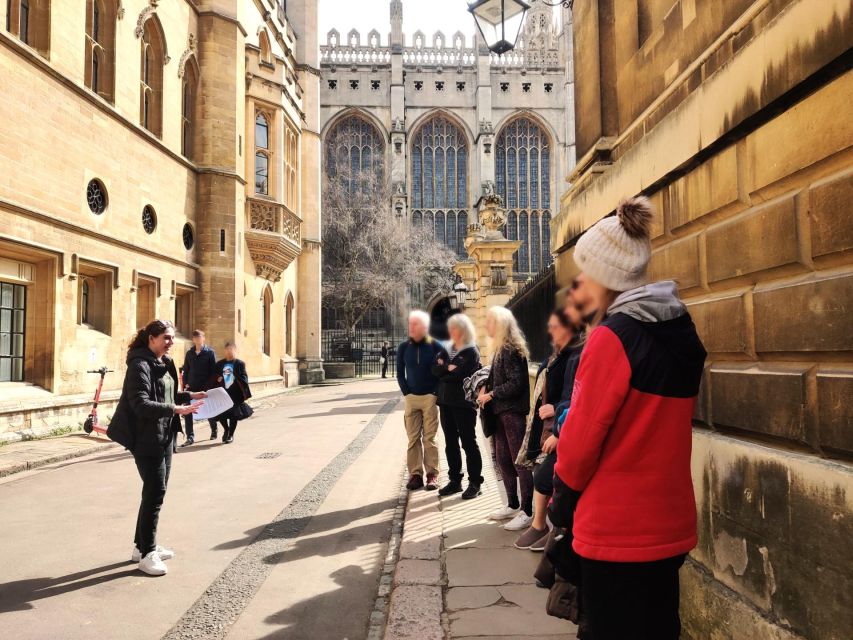
Many Cambridge tours point out famous courtyards, name celebrated scholars, and admire the stonework. This one asks you to look again. Who paid for these institutions? Who was admitted, excluded, or ignored? Whose names remain on buildings, and whose stories have been left out?
That approach gives the city more depth without turning the walk into a lecture on abstract ideas. You still see the grand churches, college fronts, bridges, and medieval streets. The difference is that your guide connects them to questions about power and memory.
I like this format for a first visit because it gives you the basic city orientation while making you alert to the arguments behind the monuments. You will leave knowing where the main sights are, but also with better questions about how Cambridge presents itself.
The tone is not intended to make you feel guilty for enjoying the city. It is meant to make the enjoyment more thoughtful. Guides have encouraged people to discuss difficult subjects, including the university’s relationship with local townspeople, attitudes toward women’s education, and the experiences of minorities.
A few more to weigh up in Cambridge
- Cambridge University Walking Tour by Alumni™ Kings College Option
★ 5.0 · 2,336 reviews - Cambridge University With Alumni: Optional Kings College Entrance
★ 5.0 · 1,987 reviews - Punting Tour in Cambridge
★ 4.5 · 1,690 reviews
Starting outside the Tourist Information Centre
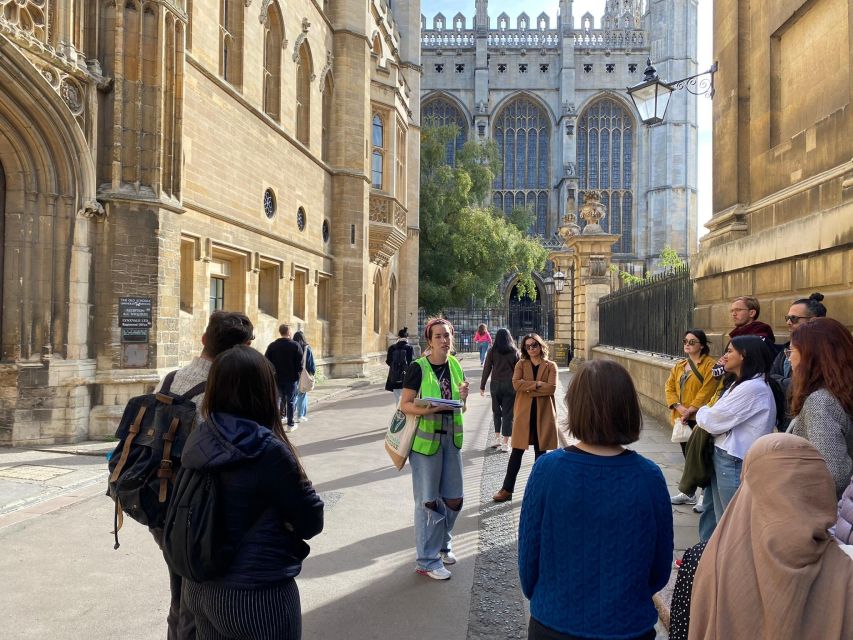
Meet outside the main entrance to the Cambridge Tourist Information Centre. Look for a guide wearing a badge and carrying a green Uncomfortable Cambridge tote bag.
This is a practical meeting point in the city centre. You do not need hotel transport, and the same location is used when the walk finishes. That makes the tour easy to combine with independent sightseeing, a meal, or another Cambridge activity.
Arrive dressed for the weather. The tour is outdoors for the full 1.5 hours, and Cambridge conditions can change quickly. Comfortable shoes matter more than smart clothes, since the route includes cobblestoned streets and uneven sections.
The walk includes street crossings, so you should stay close to the guide and allow a little extra time when central roads are busy. Weekends can be especially crowded in the centre. This is not a reason to avoid the tour, but it does mean you should not expect a silent stroll between every stop.
King’s College and the polished Cambridge image
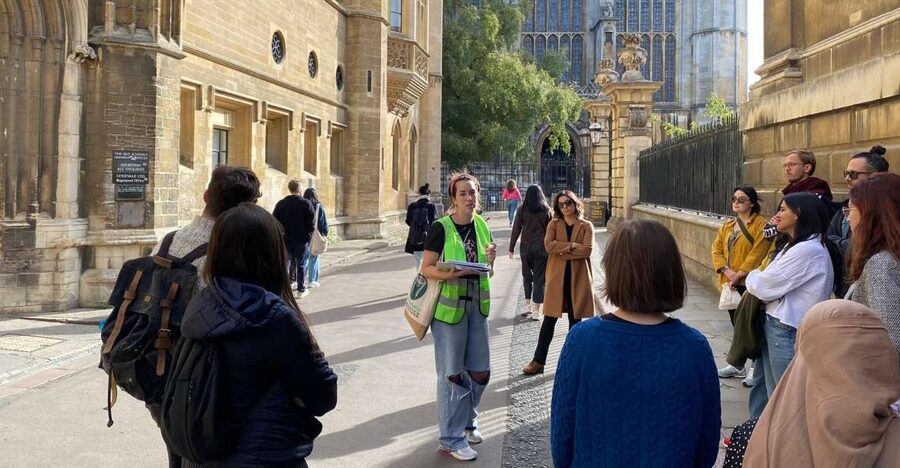
King’s College is one of the sights that defines Cambridge in the public imagination. Its chapel, lawns, and grand frontage create the classic view that appears in photographs and guidebooks.
The tour uses this famous setting as a starting point for a wider discussion. Rather than treating the college as an isolated work of architecture, your guide considers the institution behind the image and the systems that allowed it to grow.
This is where the tour’s central method becomes clear. You will look at a familiar building, hear the standard story attached to it, and then examine what that story leaves out. The result is less comfortable than a simple architectural introduction, but it is also more useful.
You should not expect to go inside King’s College. The tour remains outside college buildings, so book it for interpretation and city orientation, not for chapel access or an interior visit.
Great St Mary’s and the university town
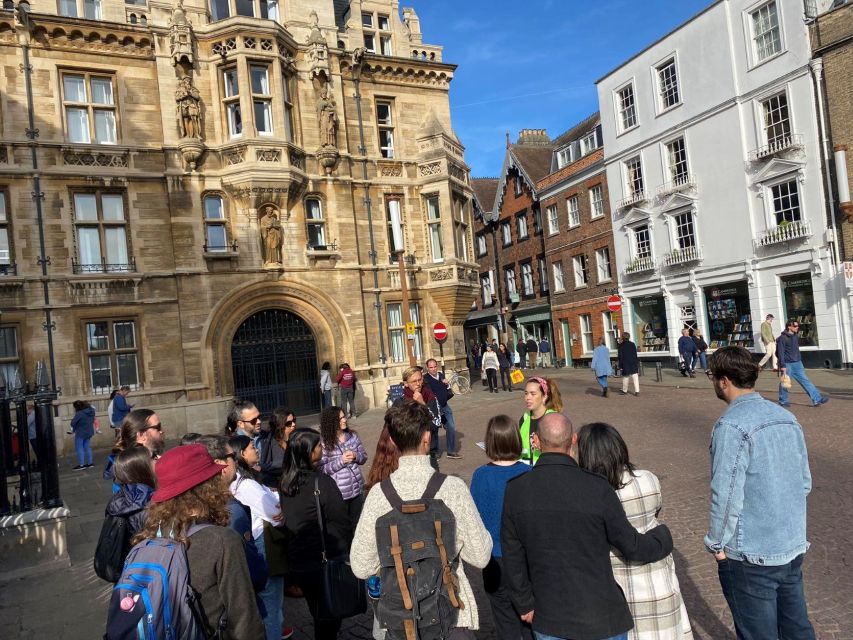
Great St Mary’s, the University Church, occupies an important place in the city centre. It is both a functioning church and a visible part of the university’s public life.
Here, the tour helps you consider the relationship between Cambridge University and the town around it. That relationship has not always been equal or easy. The walk addresses the university’s impact on local residents and the tensions between an elite institution and the wider community.
I find this one of the most useful themes for anyone spending only a short time in Cambridge. It is easy to see the colleges as separate treasures, floating above ordinary city life. The tour reminds you that the university operates within a real town, using shared streets and public spaces.
The stop also gives you a chance to reset your bearings. Great St Mary’s sits among the central sights, so you can return later for more independent exploring. The tour does not promise church entry, and it is better to think of this stop as an outdoor historical discussion.
A completely different sort of day out:
- Cambridge: Guided River Cam Punting Tour
★ 4.7 · 1,469 reviews - Cambridge: University Alumni Tour with Kings College Option
★ 4.7 · 1,282 reviews - Cambridge: Alumni-Led Walking Tour w/ King’s College Option
★ 4.8 · 1,177 reviews - Shared Guided Punting Tour of Cambridge
★ 5.0 · 787 reviews
The Old Schools and institutional power
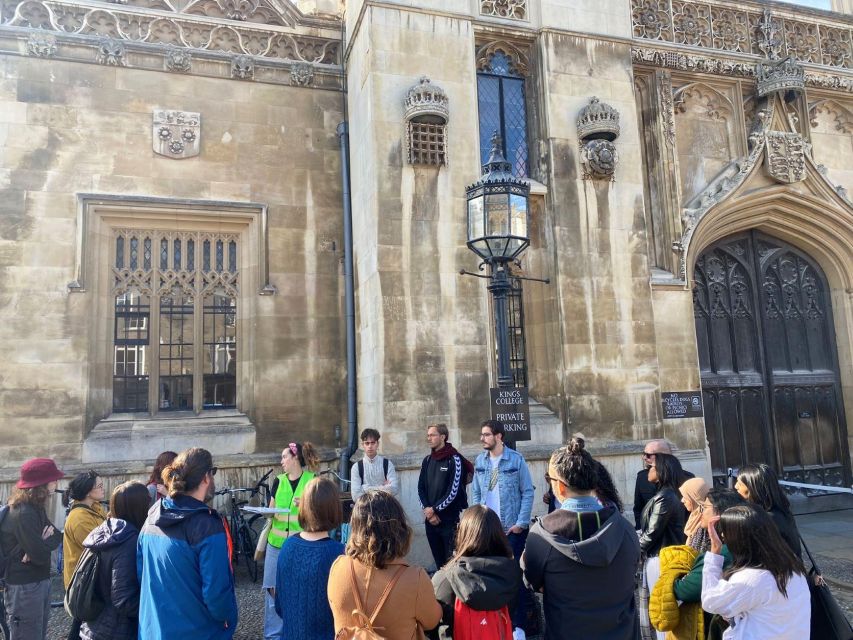
The Old Schools provide another strong setting for the tour’s questions about authority. The buildings represent university administration and tradition, making them a natural place to examine how institutions preserve their own stories.
Your guide may draw attention to names, commemorations, colonial objects, and the way public spaces explain the past. The focus is not simply on what is old. It is on what gets remembered, what gets honoured, and what may now be disputed.
That makes the stop especially valuable if you have already seen Cambridge on a more traditional guided walk. You may recognise the buildings, but the interpretation gives them a different meaning.
The subject can be uncomfortable by design. One traveller from Spain suggested that the tour could also address more current university issues, which points to a useful limitation: the walk is strongest when discussing historical memory and the traces it leaves in the city. If you want a detailed account of present-day university politics, you may need to continue the conversation elsewhere.
The Backs, Darwin College, and views with a question attached
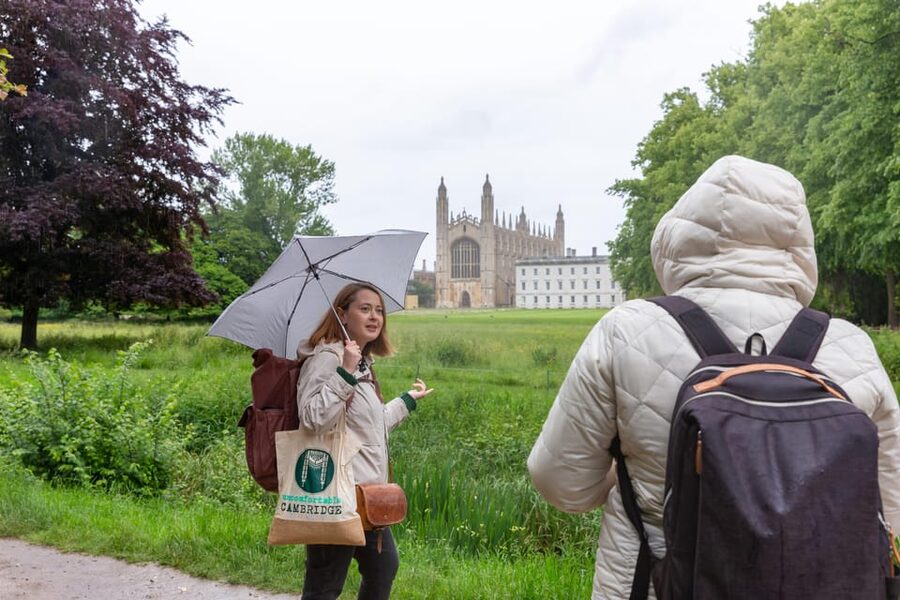
The route reaches the Backs, the open riverside area behind several colleges. This is the scenic stretch, with views across lawns, water, bridges, and college buildings.
You get about nine minutes of scenic viewing along the way, but the tour does not turn into a long photo stop. The view is used as part of the larger story. The setting looks open and timeless, yet access to the colleges and their grounds has historically been shaped by rules, status, and exclusion.
Darwin College is included among the sights seen from the route. As with the other colleges, you remain outside. That matters if you are choosing between this experience and a tour that includes college interiors, but it also keeps the focus on public space and the meaning of the buildings from the street.
I like this balance. Cambridge needs a little beauty on any walking tour, and the Backs provide it. At the same time, the guide does not let the scenery erase the questions raised earlier. You can take photographs while thinking about who has been allowed to study, work, live, or be honoured in these institutions.
The path is mostly flat, which helps, though cobblestones and the bridge ramp can affect the pace. There are places to sit or lean if needed.
The Corpus Clock and the city’s modern memory
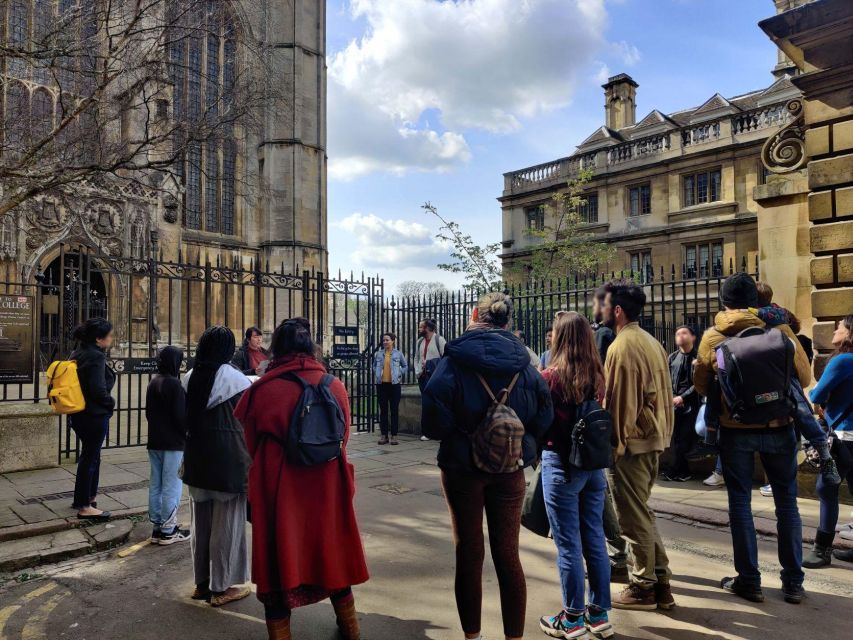
The Corpus Clock is one of Cambridge’s most unusual public sights. Its strange, eye-catching design gives the tour a memorable final landmark and a clear link between old traditions and modern public culture.
The stop also fits the tour’s interest in how Cambridge chooses to represent itself. A clock can look like a harmless curiosity, but public objects carry messages about the people and institutions that put them there.
You will not get only a photograph and a quick fact. The guide uses the site to keep the discussion moving toward questions of memory, status, and representation. That is typical of this walk: an object or building is never just decoration.
Because the route returns to the Tourist Information Centre, the Corpus Clock is part of a compact loop rather than a one-way transfer. You finish close to where you began, with the central city still convenient for your next stop.
What the guides add to the experience
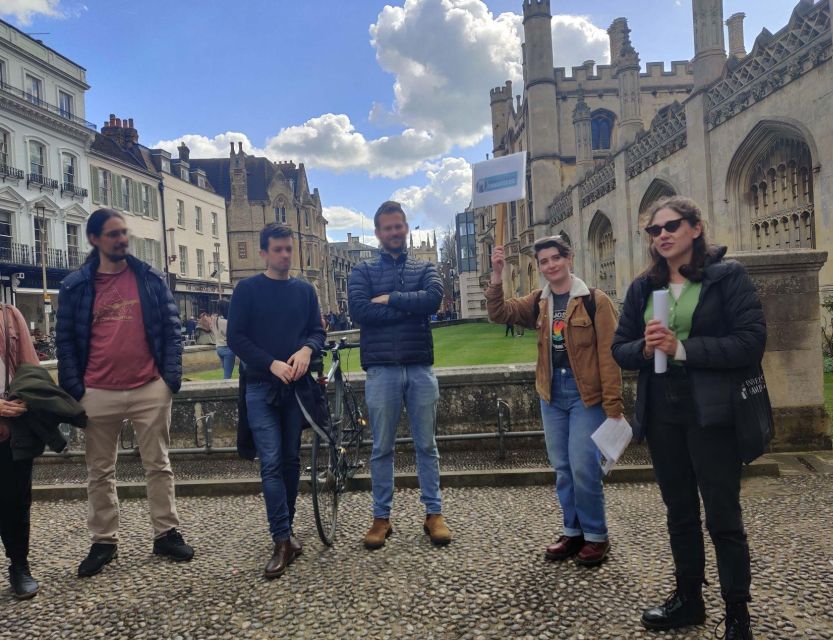
The tour is led by a certified Uncomfortable Cambridge guide, with university researchers among the people who lead it. That background matters because the subject requires care. A guide needs to explain difficult material clearly, distinguish history from opinion, and allow room for discussion.
The strongest praise has gone to guides who combine information with warmth. Ruari has been described as extremely informed and friendly, while Oscar was praised for being engaging and for handling the tour’s uncomfortable themes well. Another guide encouraged the group to talk about how they felt about difficult moments in the past.
That interactive approach may not suit everyone. If you prefer to walk quietly while a guide provides a fixed script, the questions may feel like extra work. I think the discussion is a major part of the value, but you should know what you are booking.
The language is English. The tour is not presented as a performance, and the experience may vary slightly with the guide and the questions raised by the group. That is a strength for curious participants, though less predictable than a purely scripted city tour.
What $26 buys you
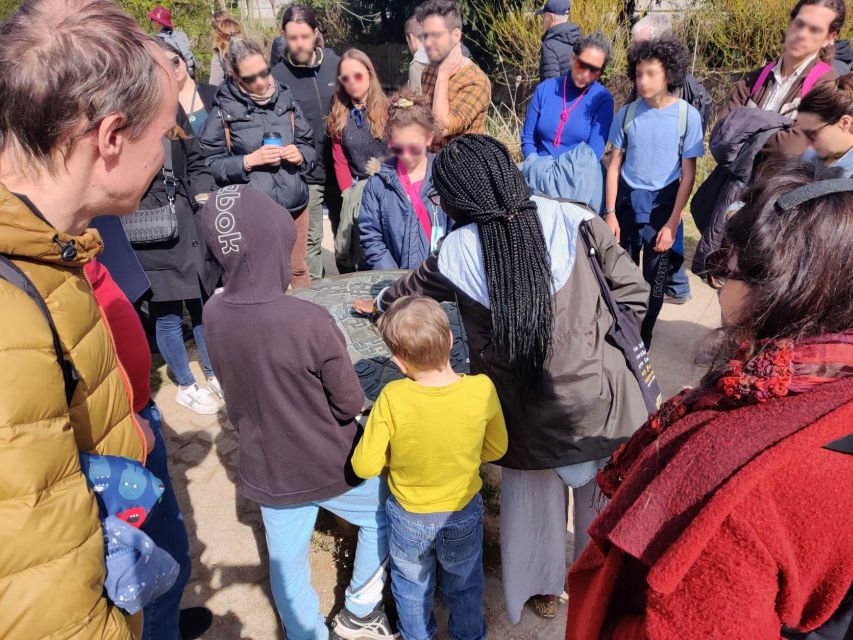
At $26 per person, the tour is priced above a free orientation walk but below many longer specialty experiences. You receive 1.5 hours of guiding, a route through major central sights, a certified guide, a souvenir sticker, and a reading list compiled by university researchers.
The reading list is a useful extra. It lets you follow up on subjects that the walk can only introduce briefly. A 1.5-hour tour cannot fully explain the history of Cambridge, colonial connections, women’s education, local class divisions, and every disputed statue or name. The reading material gives you a path for further study.
The value is strongest if you want interpretation rather than entry tickets. Since no colleges are entered, the price does not include access to interiors. You are paying for the guide’s research, the route, and the conversation.
For a short stay, I think the cost is reasonable. The tour gives you a quick map of the centre and a way to understand the city beyond its postcard image. If you have several days and plan to enter colleges independently, you may prefer to spend this money on admission and use your own reading to add context.
Accessibility and practical comfort
The route is mostly flat and wheelchair accessible. There are no steps on the stated route, but you will encounter some cobblestoned streets, street crossings, and one ramp on and off a bridge.
Places are available to sit or lean if you need a break. Carers can attend free without booking. Toilets are available in local pubs along the route, though the tour does not list a dedicated toilet stop.
If you have a specific accessibility requirement, contact the provider before the tour. The operator asks participants to get in touch so the route and support can be considered in advance.
The walk covers about 2 kilometres and lasts 1.5 hours. That is a gentle distance on paper, but uneven stones and crowded weekend streets can make it feel slower. Wear shoes with good support and bring weather-appropriate clothing.
Who will get the most from this walk?
I would choose this tour if you are visiting Cambridge for the first time and want more than a list of college names. It suits readers, students, teachers, and anyone interested in how public memory is built.
It is also a good fit for a short visit. If you have only an afternoon, the route gives you a fast overview of the centre without asking you to commit half a day. One visitor with limited time found the 1.5-hour format ideal for seeing and learning about Cambridge quickly.
Families with older children may find the questions more engaging than a standard lecture, though the subject matter may require explanation. The walk is also useful for repeat visitors who have already seen the main buildings and now want a new way to read them.
I would be more cautious if your priority is entering King’s College, seeing college rooms, or getting a long architectural tour. This experience stays outside and places social history ahead of interior detail.
Should you book the Original Uncomfortable Cambridge Tour?
Book it if you want a thoughtful first look at Cambridge, especially if you enjoy history that questions official versions of the past. The combination of major sights, university researchers, and open discussion gives the city more meaning than a standard photo stop.
Skip it if you want a purely light sightseeing walk or guaranteed college interiors. For most curious visitors, though, $26 is a sensible investment for 1.5 hours of clear orientation, difficult questions, and a reading list that helps you keep learning after the walk ends.
FAQ
Where does the tour start?
The tour starts outside the main entrance to the Cambridge Tourist Information Centre.
How do I identify the guide?
The guide will wear a badge and carry a green Uncomfortable Cambridge branded tote bag.
How long is the tour?
The tour lasts 1.5 hours.
How far does the route cover?
The route covers about 2 kilometres.
Does the tour enter any colleges?
No. The tour does not go inside any colleges.
Which main sights are included?
The route includes views of King’s College, Great St Mary’s, the Old Schools, the Backs, Darwin College, and the Corpus Clock.
Is the tour wheelchair accessible?
Yes. The route is mostly flat and wheelchair accessible, with no steps. It includes some cobblestones and one ramp on and off a bridge.
Can a carer attend free?
Yes. Carers attend free and do not need to book.
Can I cancel my booking?
Yes. You can cancel or change your ticket free of charge up to 24 hours before the tour for a full refund.
Just added in Cambridge
- Explore Cambridge Student Life & Top Colleges Walking Tour★ 3.5 · 18 reviews
- Tangential Cambridge: Group Walking Tour of Sights and Highlights★ 5.0 · 79 reviews
- Town Food Tour in Saffron Walden★ 5.0 · 32 reviews
- Cambridge University Ghost Tour by Alumni™★ 5.0 · 117 reviews
- Private Custom Tour With a Local Guide In Cambridge★ 5.0 · 2 reviews
- Fun, Flexible Treasure Hunt Around Cambridge with Cryptic Clues & Hidden Gems★ 5.0 · 142 reviews
- Welcome to Cambridge: Private Tour including King’s College Chapel★ 5.0 · 1 review
- Private | Cambridge University Colleges Guided Punting Tour★ 4.5 · 13 reviews
Cambridge Tours, compared.
Cambridge University Walking Tour by Alumni™ Kings College Option
Read our review →
Cambridge University With Alumni: Optional Kings College Entrance
Read our review →
University Alumni Tour with Kings College Option
Read our review →
Alumni-Led Walking Tour w/ King’s College Option
Read our review →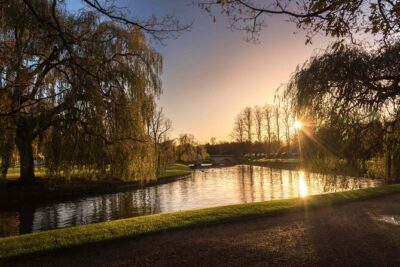
Cambridge Walking & Punting Tour by Alumni™ King’s College Option
Read our review →Browse the lists this tour appears in