Reviewed · LONDON TOURS
Ancient Britain: Sacred forests, Neolithic burials and UFO sights
Ancient Britain rewards curious detours. This three-day self-guided route swaps London’s crowds for ruined castles, Roman mosaics, sacred woods, stone circles, and lonely prehistoric tombs. I like the freedom to set your own pace, and I like the practical support: a recorded video guide, PDF route, food stops, toilet suggestions, restaurants, and supermarkets.
The main catch is that this is not a guided coach tour. You need to manage the driving, timing, overnight stays, and daily navigation yourself. The advertised price is $2,651.16 per group of up to five, but hotels are not included, and the transport arrangement needs confirming before you pay.
In This Review
- Key points about this ancient Britain route
- Why this route feels different from a standard day trip
- Day one: Donnington Castle and a Roman underworld mosaic
- Day two: bluebells, burial chambers, and Avebury
- Day three: the White Horse and Wayland’s Smithy
- The self-guided design: useful freedom, real responsibility
- Is $2,651.16 good value for up to five?
- Who will enjoy this route most?
- Booking advice and cancellation terms
- Should you book Ancient Britain?
- FAQ
- Where does the tour start?
- Where does the tour end?
- How long does the tour last?
- Is this a guided or self-guided experience?
- How many people can join the private tour?
- Are hotels included?
- Are admission tickets included?
- What practical help is provided?
- What is the cancellation policy?
Key points about this ancient Britain route
- Donnington Castle begins the journey with a free ruined fortress in an Area of Outstanding Natural Beauty.
- Littlecote Roman Villa offers a striking fourth-century mosaic showing the god of the Underworld.
- West Woods is at its prettiest in May, when bluebells cover the woodland floor.
- Avebury gives you a quieter stone-circle experience than Stonehenge, with monuments spread across the village and fields.
- Wayland’s Smithy and Uffington White Horse bring prehistoric Britain into open countryside, with walks and wide views.
- The route is self-guided, so you get privacy and flexibility but must handle the practical details.
Why this route feels different from a standard day trip
Most ancient-history excursions from London aim for one famous site, usually Stonehenge. This route takes a broader view. You move through Wiltshire and Oxfordshire, linking places that show how Britain changed from prehistoric ritual sites to Roman occupation, medieval power, and later country-house life.
That range is the real appeal. One moment you are looking at a ruined medieval castle. The next, you are considering Roman religious practice or walking beside a huge Neolithic mound. The sites are not all polished or heavily presented. Several are open-air places where the setting and your imagination do much of the work.
The self-guided format is useful if you dislike being hurried. You can pause for a picnic in West Woods, spend extra time around Avebury, or keep moving if the weather turns. The recorded guide gives the route some structure without forcing everyone to walk at the same speed.
You should also know what this format does not provide. There is no live guide to answer questions at each stop, and no stated transport is included in the price. The wording describes driving from London, so confirm whether you need your own car or whether a vehicle can be arranged. That single detail has a major effect on the value.
A few more to weigh up in London
- Stonehenge, Windsor Castle, and Bath from London
★ 4.5 · 18,662 reviews - London Big Bus Hop-On Hop-Off Tour with Optional River Cruise
★ 3.5 · 10,803 reviews - London Small Group Tour of Historical Pubs
★ 5.0 · 10,422 reviews
Day one: Donnington Castle and a Roman underworld mosaic
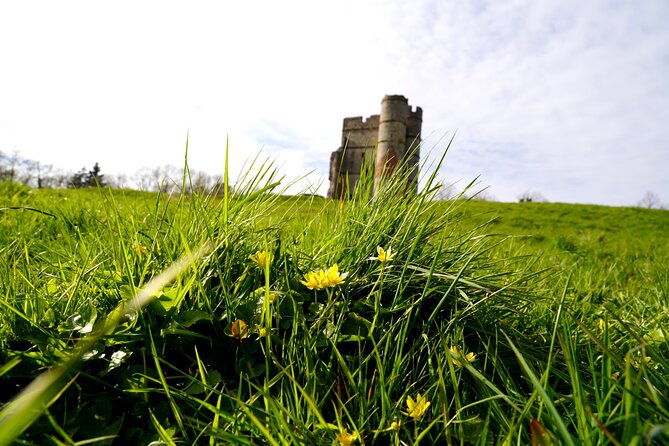
The first stop is Donnington Castle, about an hour from the start of the day. You reach it by way of an attractive rural route, with the castle ruins providing an atmospheric first taste of the past.
The remains once belonged to a powerful knight, and the broken walls give you a more immediate sense of medieval life than a fully restored building can. There is no admission charge, which helps keep the opening stop simple and affordable. Allow roughly an hour, though the exact time depends on how much you enjoy the surrounding countryside.
This is not a large castle complex with rooms full of displays. You are visiting a ruin, so the interest comes from the structure, the setting, and the story supplied by the video guide. Wear shoes suitable for uneven ground, and do not expect a long indoor visit.
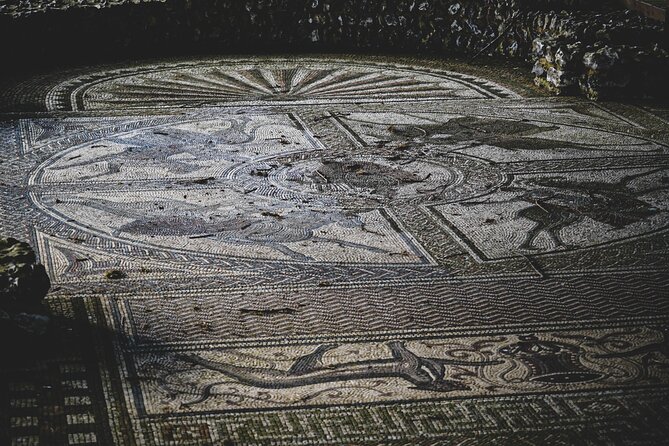
Next comes Littlecote Roman Villa, another free stop that takes about an hour. Its main prize is a fourth-century mosaic depicting the god of the Underworld. That is a vivid piece of Roman Britain, particularly because the site is also linked with esoteric rituals.
The combination makes Littlecote more than a quick look at old foundations. You can consider how Roman buildings served domestic, religious, and ceremonial purposes, and how later stories gather around places with unusual archaeological finds. The stop is best for you if you enjoy a little mystery alongside solid historical detail.
You spend the night in Marlborough, a picturesque Wiltshire town. The schedule gives you about eight hours there, which is a welcome change after several short sightseeing stops. Use the town for dinner, supplies, and a quiet evening before the more demanding prehistoric sites of the next day.
The food recommendations included with the tour should be useful here. You receive suggestions across different price levels, plus nearby supermarket options. That matters on a route where some stops are rural and a packed lunch may be more practical than searching for a restaurant at the last minute.
Day two: bluebells, burial chambers, and Avebury
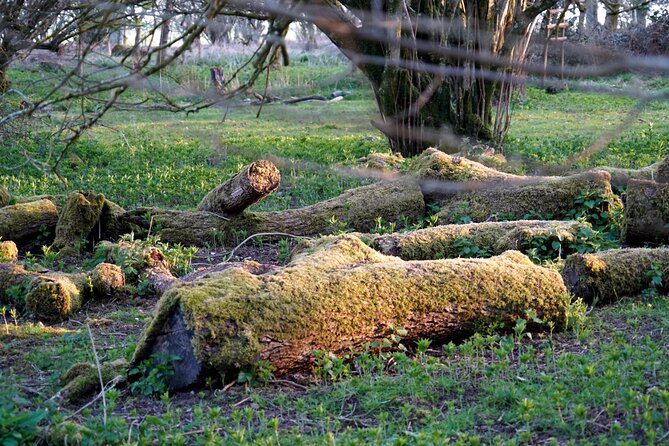
West Woods is the first major stop on day two, with about three hours for walking and a picnic. The woodland is especially attractive in May, when bluebells spread across the ground in a broad blue carpet.
This is one of the route’s best pauses because it gives you room to slow down. Ancient sites can become a blur if you rush from one monument to another. Here, you can walk, eat, and enjoy the countryside without needing to fit every minute around a timed entry.
The bluebells are seasonal, so the woodland’s appearance depends heavily on when you go. The tour does not promise any particular bloom outside May. Even without flowers, the stop offers fresh air and a break from the car, but you should set realistic expectations if your trip takes place at another time.
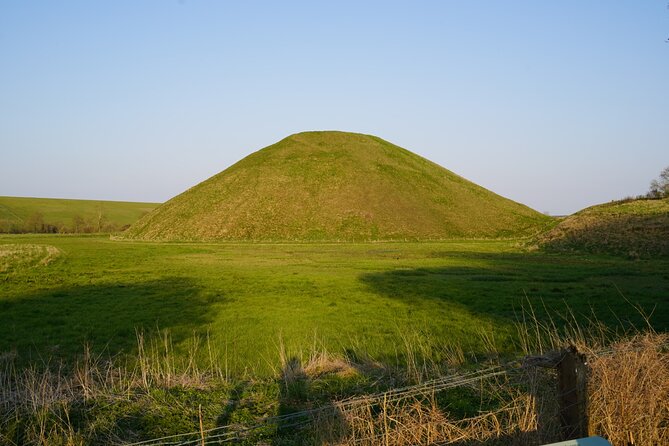
Silbury Hill follows, with around three hours in the surrounding area. The mound is described as the largest artificial mound in Europe and comparable in size and age to the Egyptian pyramids. That comparison gives you useful scale, though the experience is less about climbing or entering the mound and more about understanding its size and place within the wider prehistoric setting.
Silbury Hill can be hard to appreciate from a quick photograph. Give yourself time to look at its form and the surrounding ground. The video guide should help explain why such a huge structure was built, since the physical mound alone cannot tell you its purpose.
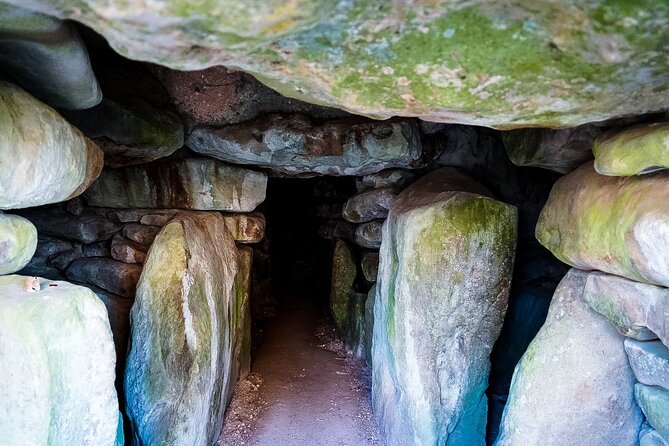
The route then continues to West Kennet Long Barrow, a Neolithic burial chamber with links to ancient ceremonies and local ghost stories. You have about an hour here. It is an intimate counterpoint to the enormous Silbury Hill, with the focus shifting from a monumental mound to a stone-built burial place.
The supernatural reputation may appeal to you if you enjoy folklore, but it should not be mistaken for a documented paranormal attraction. The strength of the place is its age, construction, and quiet setting. Bring a sensible attitude and let the stories add atmosphere rather than expecting a staged haunted-house experience.
Avebury is the final major stop of the day, with about an hour planned. It is described as the oldest stone circle in the world and older than Stonehenge. The stones are connected with religious practices dating back more than 5,000 years.
Avebury feels different from Stonehenge because the monument is spread through a wider rural setting rather than presented as one tightly controlled focal point. You can think about how people moved through the circle and used the area, rather than simply viewing a famous row of stones from a set path.
One hour may feel short at Avebury. If prehistoric monuments are your main reason for booking, you may want to adjust the schedule and spend longer here. The self-guided format makes that possible, but extra time at one site means less time elsewhere.
You stay overnight in Swindon after this full day. The town is practical rather than atmospheric, but it gives you a useful base before the final day. As with Marlborough, hotel costs are separate unless you add accommodation through the provider.
Day three: the White Horse and Wayland’s Smithy
Uffington White Horse begins the third day, with about three hours for the site and its surrounding walks. This prehistoric figure is described as Britain’s oldest open-air minimalist artwork, dating back around 3,000 years.
The white horse is cut into the chalk, so you are looking at both an image and a piece of ancient engineering. Its shape is best understood from the surrounding viewpoint, and the walk gives you time to take in the open countryside rather than simply stop for a photograph.
The three-hour allocation is generous compared with some of the earlier stops. That is helpful because the appeal is not limited to the horse itself. You have time to walk, enjoy the views, and follow the ancient theme into nearby prehistoric remains.
Wayland’s Smithy comes next, with roughly one hour. This isolated Neolithic stone tomb is tied to a collection of mystical stories, giving the final morning another mix of archaeology and folklore.
The site is appealing because it feels remote and separate from modern life. You are not simply checking off a monument in a town center. The tradeoff is that an isolated tomb requires more attention to route instructions and timing, especially since this is not a live guided outing.
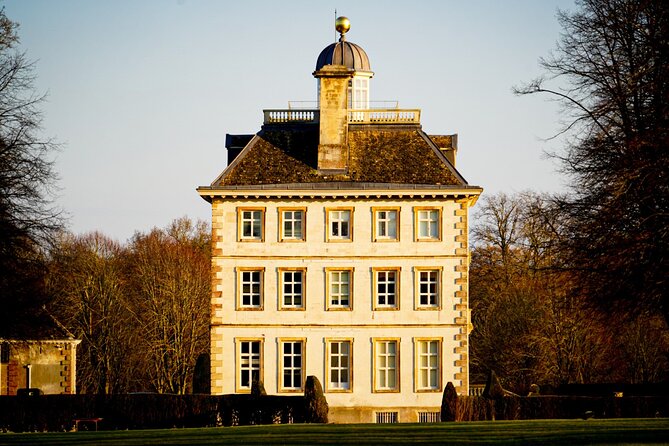
The route ends at Ashdown House, a Dutch-style palace with a later aristocratic story. It served as a love nest for nobles and as an escape from a pandemic in the sixteenth century. That change in period gives the tour a neat final turn, from prehistoric burial customs to elite domestic life.
Allow about two hours here. Admission is not included, so budget for an extra ticket if you want to enter. The stop may be less rewarding for someone interested only in prehistoric Britain, but it adds variety and gives the final afternoon a more formal architectural setting.
A completely different sort of day out:
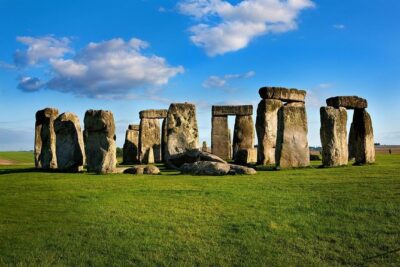
- Stonehenge, Windsor Castle and Bath with Pub Lunch in Lacock
★ 4.5 · 7,402 reviews - Tower of London and Crown Jewels Exhibition Ticket
★ 4.5 · 6,677 reviews - Thorpe Park Admission Ticket
★ 4.0 · 5,915 reviews - Stonehenge, Windsor Castle and Bath Full Day Guided Tour
★ 4.5 · 5,346 reviews
The self-guided design: useful freedom, real responsibility
The online video guide is the backbone of the experience. It tells the stories of the places you visit, so you are not left with only a name and a pile of stones. Because it is recorded, you can use it when convenient rather than listening to a guide at a fixed moment.
The PDF route should make the journey easier to follow, while the break recommendations address a very ordinary problem: ancient sites often have limited facilities. Knowing where to stop for food, toilets, restaurants, and supermarket supplies can prevent a beautiful day from turning into a hungry one.
I like this practical side of the arrangement. It shows attention to the unglamorous parts of touring. Still, the information provided does not specify whether the PDF replaces road navigation, nor does it explain the transport setup. Download everything before leaving London and ask for clear driving details.
The private format means only your group participates. That suits families, couples, or friends who want to set the rhythm themselves. It also means you do not share the cost across a large coach group, so the price needs careful thought.
Is $2,651.16 good value for up to five?
At the listed rate, the cost works out to about $530 per person if five people share the group price. For two people, it is about $1,326 each before hotels, meals, transport costs, and the Ashdown House admission. That is a large difference, and group size is central to the value.
For a full group of five, the package can make sense if you value private planning help, a custom pace, and access to a connected route that would take time to research yourself. The free admission at most stops also helps, although free entry does not mean the total trip is inexpensive.
For a couple, the price is harder to justify unless hotel arrangements and transport add substantial convenience. Since the tour is self-guided, you are paying mainly for the route design, stories, practical recommendations, and private format rather than for a guide physically accompanying you.
The average booking lead time is 89 days, so plan ahead. That is especially sensible for a three-day trip with overnight stays and rural stops. Confirm the exact start and end arrangements, what transport is included, and how hotel add-ons work before committing.
Who will enjoy this route most?

I would recommend it to you if you enjoy ancient monuments but do not want to spend three days in a group coach. It suits independent-minded people who like choosing when to stop, taking breaks in the countryside, and listening to historical context at their own speed.
It is also a good fit for anyone who enjoys the space between fact and folklore. The Roman mosaic, Neolithic tombs, stone circles, and medieval castle provide firm historical subjects, while the haunted and mystical stories add a little drama.
You may want a different experience if you expect a live historian, fixed transport, hotel rooms, or admission to every site in one all-inclusive price. The title refers to UFO sights, but the listed route does not identify a specific UFO location. Ask for clarification if that theme is important to you.
The physical demands appear manageable for most people, and most participants can take part. Some stops involve walks and uneven outdoor ground, so practical footwear is wise. Service animals are allowed.
Booking advice and cancellation terms
The tour starts in London at 10:00 a.m. and is scheduled to finish back at the meeting point after three days. Confirmation arrives when you book, and the activity is private for your group.
Cancellation is generous only if you act early. Cancel at least six full days before the start for a full refund. Cancellation two to six days ahead receives a 50 percent refund, while cancellation within two days is nonrefundable. Changes follow the same strict timing, and the experience may be canceled if its minimum number of participants is not reached.
The provider is Pigeon Tours. Valery is specifically credited with planning and executing the experience, and the praise attached to the tour highlights its careful organization, fresh air, and interesting sightseeing. With only one published assessment available, treat the perfect rating as encouraging but limited evidence.
Should you book Ancient Britain?
Book it if you want a private, flexible route through lesser-known prehistoric and historic sites, and if your group can share the cost. The mix of Donnington Castle, Littlecote Roman Villa, West Woods, Silbury Hill, West Kennet Long Barrow, Avebury, Uffington White Horse, Wayland’s Smithy, and Ashdown House gives you far more variety than a single Stonehenge excursion.
Before booking, confirm three things: transport, hotel arrangements, and the promised UFO content. If those details fit your plans, this can be a thoughtful way to leave London behind and see the older, quieter side of England.
FAQ
Where does the tour start?
It starts in London, England, at 10:00 a.m.
Where does the tour end?
The activity ends back at the meeting point in London.
How long does the tour last?
The tour lasts approximately three days.
Is this a guided or self-guided experience?
It is a self-guided private tour. You receive a recorded online video guide and a PDF route to the sights.
How many people can join the private tour?
The price covers one group of up to five people.
Are hotels included?
No. Hotel accommodation is not included, although it can be added.
Are admission tickets included?
Most listed stops have free admission. Ashdown House admission is not included.
What practical help is provided?
You receive recommendations for food and toilet breaks, restaurants in different price ranges, and nearby supermarkets.
What is the cancellation policy?
You receive a full refund if you cancel at least six full days before the start. Cancellation two to six days ahead receives a 50 percent refund, and cancellation within two days receives no refund.
Just added in London
- Private Transfers between London & Windsor★ 5.0 · 9 reviews
- Private Transfer: Heathrow Airport to London Kings Cross or St Pancras Stations★ 5.0 · 3 reviews
- London to Southampton Transfers★ 5.0 · 7 reviews
- Private 3-hour Tour of The Iconic Tower of London & Tower Bridge★ 4.5 · 6 reviews
- London to Southampton Cruise Port | Private Transfer★ 5.0 · 6 reviews
- Private Tour to Westminster Abbey with optional Houses of Parliament in London★ 4.0 · 15 reviews
- Private Tours to Stonehenge & Oxford★ 4.0 · 4 reviews
- Private Tour to Stonehenge and Windsor Castle★ 5.0 · 11 reviews
London Tours, compared.
Stonehenge, Windsor Castle, and Bath from London
Read our review →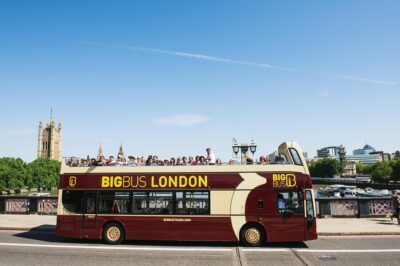
London Big Bus Hop-On Hop-Off Tour with Optional River Cruise
Read our review →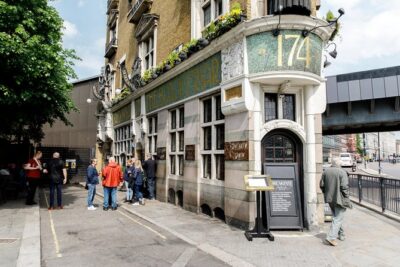
Stonehenge, Windsor Castle and Bath with Pub Lunch in Lacock
Read our review →
Tower of London and Crown Jewels Exhibition Ticket
Read our review →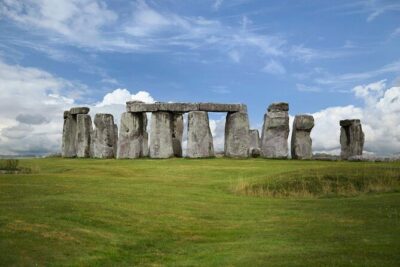
Stonehenge, Windsor Castle and Bath Full Day Guided Tour
Read our review →
Windsor Castle, Stonehenge, and Oxford Day Trip from London
Read our review →