
Reviewed · ENGLAND
A Story of Discovery, Education and Remembrance
History feels different when you can find a name.
The International Bomber Command Centre offers a thoughtful look at World War II through personal stories, interactive galleries, and one of Britain’s most striking war memorials. I especially like the 31.09-meter metal memorial, which gives you wide views over Lincoln, and the way the centre presents voices from all sides of the conflict. The main thing to consider is timing: a quick visit will miss much of what makes this place worthwhile.
I would allow at least two hours, and closer to four if you want to explore the galleries carefully, join a free guided tour, pause in the Peace Gardens, and eat at the Hub Café. This is not a light entertainment stop. It asks you to think about the human cost of aerial warfare, including the people who served, those who supported them, and the civilians affected by bombing.
In This Review
- Key points to know before you go
- Why the International Bomber Command Centre matters
- The memorial’s tall metal form and Lincoln views
- Almost 58,000 names and the Losses Database
- Three galleries that put people at the centre
- The Orchestra of Voices and a more balanced history
- Peace Gardens for quiet reflection
- The Hub Café and a practical half-day visit
- Who will get the most from this visit
- How long should you stay?
- Should you book the International Bomber Command Centre?
- FAQ
- Where is the International Bomber Command Centre?
- How much does admission cost?
- How long does a visit take?
- What are the opening hours?
- Is the experience offered in English?
- Are guided tours included?
- Is the centre accessible for visitors with additional needs?
Key points to know before you go

- The memorial reaches 31.09 meters high: It is the UK’s tallest metal war memorial and offers broad views over Lincoln.
- Almost 58,000 names are remembered: The Commemorative Wall and Losses Database help connect the numbers to individuals.
- Three galleries tell personal stories: Interactive displays and the Orchestra of Voices present accounts from people on all sides of the war.
- Free guided tours add useful context: Guides lead visitors through the memorial and gardens.
- The Peace Gardens give the visit breathing room: They provide a quiet place to reflect after the indoor exhibitions.
- The price is modest for a half-day visit: Admission costs $15.94 per person, with food extra and parking not included.
Why the International Bomber Command Centre matters

Bomber Command remains one of the more difficult subjects in World War II history. The bombing campaign played a major role in the Allied war effort, but it also caused enormous loss of life among civilians and service personnel. A visit here does not reduce that subject to a simple tale of victory.
That balance is one of the centre’s greatest strengths. You are encouraged to consider the experience from several points of view rather than receive a single polished version of events. The displays look at those who flew missions, the ground crews who supported them, and people living under the bombing campaign.
I like this approach because it gives the centre emotional weight without turning it into a slogan. The subject is serious, yet the exhibits are arranged so families and younger visitors can take part. Hands-on features help children engage with the material, while adults can spend more time with the written accounts and historical detail.
The centre also makes remembrance personal. Almost 58,000 names are recorded, and the Losses Database lets you find out more about individuals connected with Bomber Command. If you have a family connection, bring any useful names or details with you. Finding a relative’s name on the panels can become the most meaningful moment of the visit.
A few more to weigh up in England
- Daily Nottingham City Centre Walking Tour (10:30am)
★ 5.0 · 81 reviews - Robin Hood’s Nottingham: Interactive Game & Walking Tour
★ 4.5 · 25 reviews - Airport Taxi Service | Lincolnshire to London Heathrow Airport
★ 5.0 · 24 reviews
The memorial’s tall metal form and Lincoln views
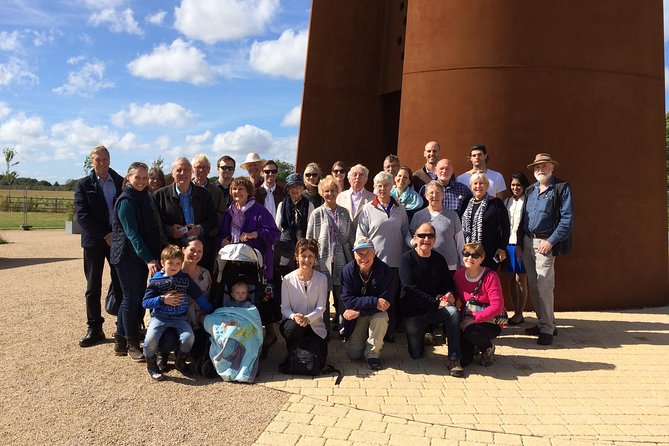
Begin outside with the memorial. Rising 31.09 meters, the tall metal structure has a simple, powerful shape. It is easy to see why the design receives so much attention. It does not rely on heavy decoration. Its height and open form draw your eyes upward, while the surrounding site gives it room to breathe.
From here, you get excellent views over Lincoln. The combination of the city in the distance and the memorial in the foreground makes this one of the best places for photographs during the visit. Give yourself time to look at the structure from different angles instead of taking one quick picture and heading inside.
The memorial also creates the right mood for what follows. It is impressive, but it is not triumphal. The scale reminds you of the size of the wartime effort, while the names and stories bring the subject back to individual lives.
A free guided tour of the memorial and gardens can add a lot. The guides explain the meaning behind the site and point out details you might otherwise pass without noticing. One particularly strong experience described at the centre involved a personal tour for a small early group, allowing the guide to focus closely on the people and events connected with the memorial.
Because the tours are free, check on arrival for the available time. The schedule is not provided in the booking details, so you should not plan your entire visit around a tour slot you have not confirmed.
Almost 58,000 names and the Losses Database
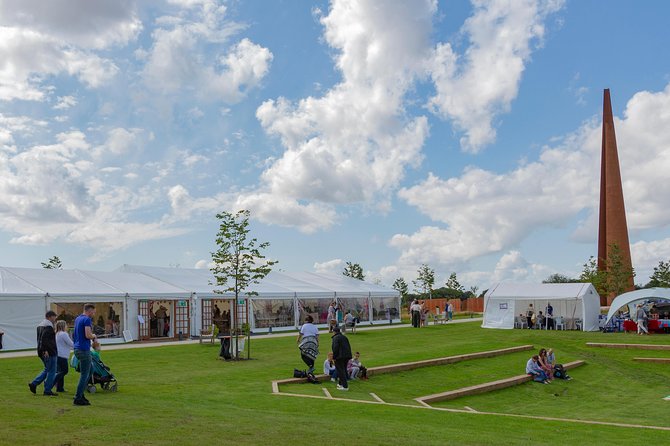
The Commemorative Wall is where the scale of the losses becomes clear. Nearly 58,000 names are recorded, a figure too large to absorb as a single number. Walking along the panels and seeing those names arranged together changes the way you understand the campaign.
The Losses Database adds an important personal layer. Instead of treating the names as a list, it can help you learn more about the people behind them. This is especially useful if you are researching a family member or local connection.
I would set aside more time here than you might expect. The memorial itself is visually striking, but the names are the emotional centre of the site. You may find yourself slowing down, searching a surname, or reading about someone whose role was very different from the one you first imagined.
The experience can be moving even without a family connection. It gives you a clear sense that Bomber Command was not a single group of pilots. The wider operation depended on many people, and the memorial helps bring that larger human story into view.
Three galleries that put people at the centre
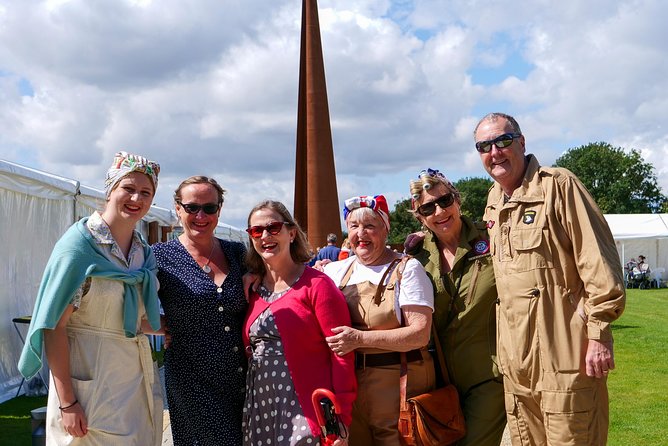
Inside, three interactive exhibition galleries explain the period through personal accounts and historical material. The displays are not simply a collection of dates and equipment. They are designed to show what the war looked and felt like to people who lived through it.
The Orchestra of Voices is especially important. It brings together accounts from all sides of the conflict, helping you hear different experiences rather than one official explanation. That makes the galleries better suited to serious reflection than to a quick checklist of famous battles.
Some exhibitions can feel dry when they depend too heavily on text. This centre avoids that problem by mixing static displays with interactive features. The result gives younger children something to do, while older visitors can take more time with the stories and context.
Families should find plenty to hold their attention. Children aged eight and ten were reported to have enjoyed the hands-on features and stayed for around four hours, though younger children may not absorb every part of the subject. I would explain beforehand that this is a memorial and education centre, not a war-themed attraction.
The galleries also work well for adults who already know something about World War II. The focus on personal experience and the moral questions surrounding bombing adds depth beyond a standard military history display.
A completely different sort of day out:
- Stonehenge, Windsor Castle, and Bath from London
★ 4.5 · 18,662 reviews - London Big Bus Hop-On Hop-Off Tour with Optional River Cruise
★ 3.5 · 10,803 reviews - London Small Group Tour of Historical Pubs
★ 5.0 · 10,422 reviews - Beatles Magical Mystery Tour
★ 5.0 · 9,266 reviews
The Orchestra of Voices and a more balanced history
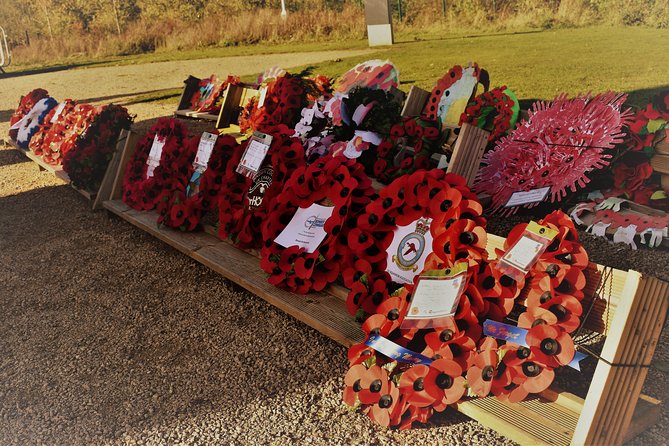
The centre’s use of different voices is more than a presentation trick. It changes the questions you ask as you move through the galleries.
You are not only considering what Bomber Command achieved militarily. You are also thinking about the risks faced by crews, the work of those on the ground, and the effects of bombing on communities. That wider view makes the visit more honest and more useful.
The subject can be uncomfortable, and the centre does not pretend otherwise. I appreciate that it gives you room to form your own view. You are not pushed toward a single emotional response, though the combination of names, accounts, and memorial spaces is naturally affecting.
Plan your energy. If you arrive expecting a fast museum visit, you may find yourself rushing through important material. The experience works best when you read selected accounts carefully, listen to the voices, and leave time to think afterward.
Peace Gardens for quiet reflection
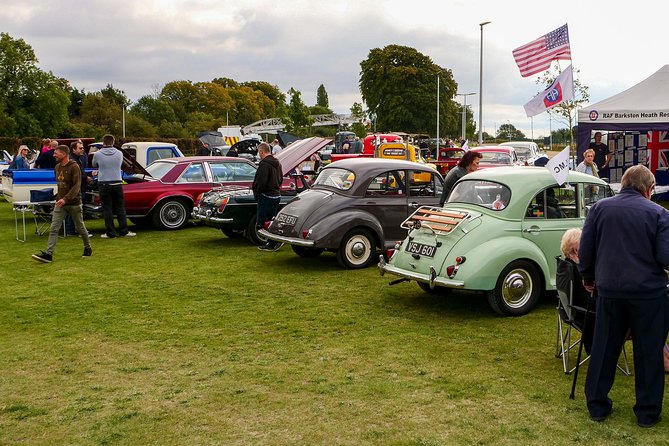
The two Peace Gardens offer a calm change of pace after the galleries and memorial. They are landscaped spaces, but their value is not simply visual. They give you somewhere to pause and process what you have seen.
A guided walk through the gardens can help explain how the outdoor spaces relate to the memorial. If you visit early and the centre is quiet, you might receive more personal attention from a guide. That can make the outdoor part feel less like a walk between buildings and more like an interpretation of the site itself.
I would not skip the gardens, even if you are mainly interested in the indoor exhibits. The visit moves between information and remembrance, and the gardens provide the quiet needed to connect the two.
They are also a good place for photographs, though the memorial remains the main visual feature. Keep the camera work respectful. This is an active place of remembrance, not just an architectural photo stop.
The Hub Café and a practical half-day visit

The Hub Café serves locally sourced food and drink, making it useful if you plan to spend several hours at the centre. The café has received strong praise for both its food and the quality of the overall visit.
That matters because the galleries require time. A café on site means you do not have to break away just when you are getting into the subject. You can eat, take a pause, and return to anything you missed.
The listed price is $15.94 per person, with all admission fees and taxes included. Parking fees are not included. For a visit lasting two to five hours, I consider the price fair, especially if you make use of the galleries, memorial, gardens, guided tour, and café.
The value depends on how you visit. If you spend only 45 minutes taking pictures of the memorial, the ticket will feel less worthwhile. If you treat it as a half-day history visit, the price compares well with the amount of material available.
The centre is open Tuesday through Sunday, from 9:30 a.m. to 4 p.m. The stated operating dates run from March 17, 2020, through February 3, 2027. Since the supplied location information is inconsistent, note this carefully: the ticket redemption address is International Bomber Command Centre, Canwick Avenue, Lincoln, LN4 2HQ, England, even though the general location is listed as Nottingham. Use the Lincoln address when planning your journey.
The site is near public transportation, and most people can take part. Service animals are allowed, and a Changing Places facility is available. Parking is not included, so check your transport plan before setting out.
Who will get the most from this visit

This centre suits you if you want more than a quick war memorial. It is a strong choice for people interested in World War II, military history, family research, architecture, and remembrance.
Families can use the interactive displays to keep children involved, though the subject calls for some preparation. Tell younger children that the centre includes real stories of loss and wartime suffering.
It also suits local visitors. One useful lesson from the experience is that familiar places can remain unexplored for years. If you live nearby, do not assume you already know what is here. The centre has enough material for a return visit, especially if you are researching a name or want to join a guided tour.
You may want to reconsider if you prefer light, fast-moving attractions. The centre is reflective and sometimes emotionally heavy. It asks you to read, listen, and think. That is its purpose, but it will not suit every mood or every short itinerary.
How long should you stay?
Two hours is the shortest reasonable visit. That gives you time to see the memorial, walk through the gardens, and sample the main indoor displays.
Three to four hours is better. You can explore the three galleries without rushing, use the Losses Database, take a free guided tour, and stop at the café.
Five hours would suit anyone with a family connection, a serious interest in the subject, or a desire to read the exhibitions closely. Children may enjoy the interactive material, but adults will likely need the extra time to take in the historical context.
I would visit earlier in the day if you want a more relaxed pace, but the supplied details do not promise quieter periods. The most important advice is simple: do not arrive near closing and expect to see everything.
Should you book the International Bomber Command Centre?
Yes, if you want a serious, well-organized, and personal look at Bomber Command. The memorial is striking, the galleries are accessible to adults and children, and the Losses Database can make the visit deeply personal.
Book it if you have a family connection, enjoy thoughtful war history, or want a respectful place to remember the people behind the numbers. The free guided tour is worth checking for, and the café makes a longer visit easy.
I would skip it only if your schedule leaves less than two hours or if you are looking for a purely entertaining attraction. For most people with time in Lincoln, the $15.94 admission offers a meaningful half-day, with enough depth to justify returning.
FAQ
Where is the International Bomber Command Centre?
The ticket redemption point is International Bomber Command Centre, Canwick Avenue, Lincoln, LN4 2HQ, England. The general location is listed as Nottingham, so use the Lincoln address when planning your visit.
How much does admission cost?
Admission costs $15.94 per person. All fees and taxes are included, but parking fees are not.
How long does a visit take?
The visit takes approximately two to five hours, depending on how closely you explore the galleries, memorial, gardens, and café.
What are the opening hours?
The centre is open Tuesday through Sunday from 9:30 a.m. to 4 p.m. The stated operating dates run from March 17, 2020, through February 3, 2027.
Is the experience offered in English?
Yes. The experience is offered in English.
Are guided tours included?
Free tours of the memorial and gardens are available with experienced guides. Check the available tour times when you arrive.
Is the centre accessible for visitors with additional needs?
Most people can participate. Service animals are allowed, the centre is near public transportation, and a Changing Places facility is available.
Just added in England
- Private Transfers between London & Windsor★ 5.0 · 9 reviews
- Private Transfer: Heathrow Airport to London Kings Cross or St Pancras Stations★ 5.0 · 3 reviews
- London to Southampton Transfers★ 5.0 · 7 reviews
- Private 3-hour Tour of The Iconic Tower of London & Tower Bridge★ 4.5 · 6 reviews
- London to Southampton Cruise Port | Private Transfer★ 5.0 · 6 reviews
- Private Tours to Stonehenge & Oxford★ 4.0 · 4 reviews
- Private Tour to Stonehenge and Windsor Castle★ 5.0 · 11 reviews
- Private Tour to Westminster Abbey with optional Houses of Parliament in London★ 4.0 · 15 reviews